
Introduction: A Morning at the Substation
I’ve spent over 18 years buying, commissioning, and babysitting big batteries for utilities and IPPs. Utility scale battery storage looks clean and simple on a slide, but the field tells a different story. At 6:05 a.m. in West Texas last May, I watched a 100 MW/400 MWh system wake up after a storm, and one wrong power converter limit cost us a 7% hit to round-trip efficiency on the day. For a utility scale energy storage company, that is not a rounding error; that is lost revenue and a headache on the operations desk. The same site hit 92% availability that month and trimmed solar curtailment by 27%, which looks great on paper—yet I kept asking my crew a blunt question: should we trust a single vendor with the entire stack, end to end?
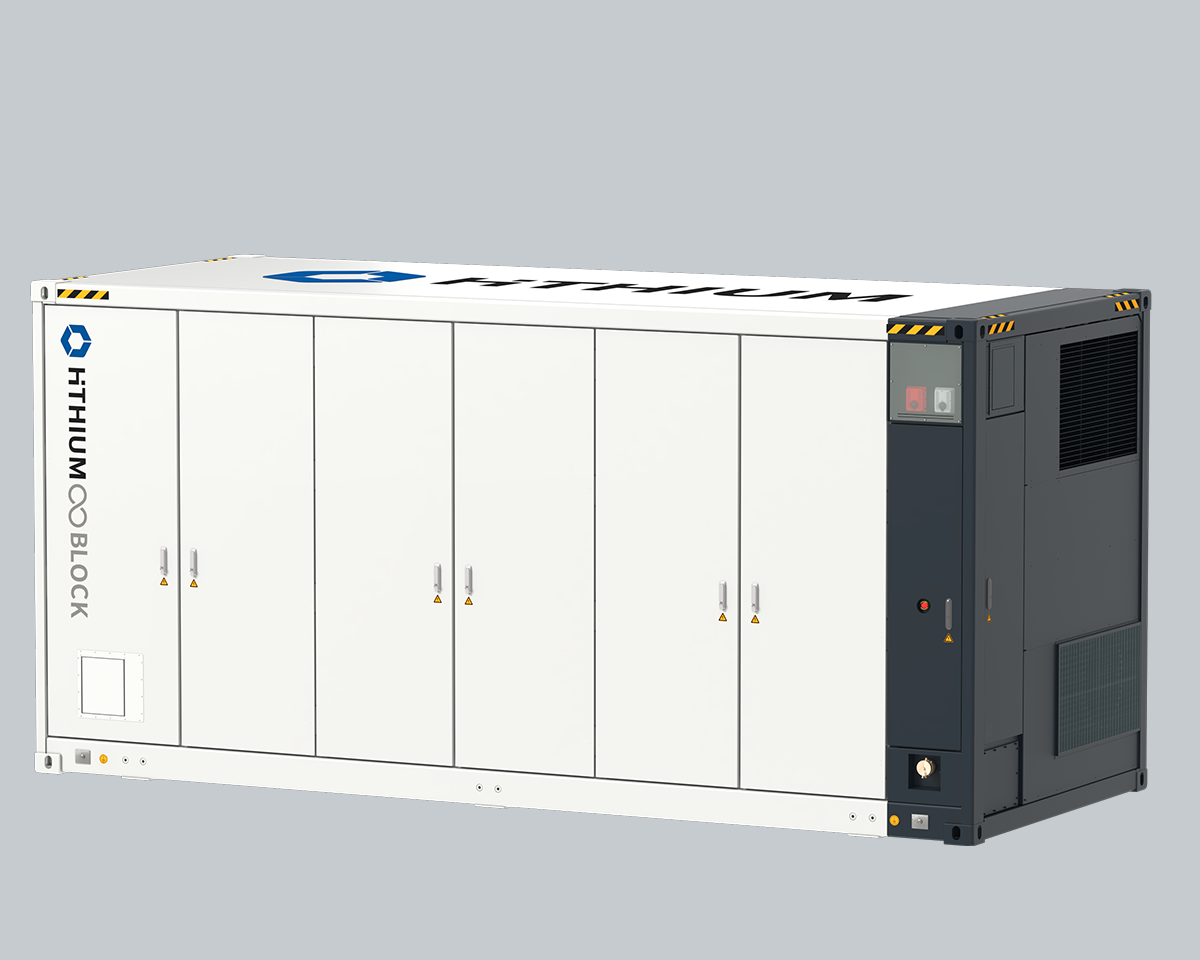
I’m talking about batteries, BMS, PCS, EMS controls, SCADA hooks, and the dull but vital bits like HVAC and fire suppression. I prefer solutions that hold up when the wind swings and the heat hits 39°C at 3 p.m. (Kern County, CA gave us that in August 2023.) If you’re a procurement lead or grid manager, you’ve probably felt that pause before signing a fleet agreement. I have too—more times than I like to admit. Let me open the box and show you what tends to break first, and why.
The Quiet Risks Inside the One‑Vendor Plan
Where do traditional stacks break?
Direct view first. The classic one-vendor play promises tight integration: one BMS to rule the racks, one EMS to dispatch, one PCS spec across pads. On day one, it’s tidy. On day 241—during a frequency event at 03:12—you may find the EMS slow to honor state-of-charge (SoC) constraints because firmware and SCADA polling windows don’t match. I’ve seen a 2.5 MVA PCS fleet derate for two hours after a nuisance alarm because the event tree inside the controller didn’t align with the fire panel’s latching logic. Look, this bit is more down-to-earth than it sounds. When one vendor owns the whole chain, small timing gaps become systemic. The result? Missed regulation mileage and a 3–5% revenue dent in markets like ERCOT Fast Frequency Response.
Another fault line sits in lifecycle control. A single stack often fixes your SoC window at 10–90% to protect LFP cells, but dispatch economics change year two. Without modular controls, you end up cycling harder at the wrong hours. I’ve watched that add 400–600 extra equivalent cycles in a year—silent wear that surfaces as capacity fade on hot sites. Black start capability is another sore spot: some monolithic EMS platforms still need manual interlocks to cold-start the PCS after an outage, which means a 12–18 minute delay versus 4–6 minutes on mixed portfolios where a lean microgrid controller kicks first. That gap matters in storm season—ask anyone who worked through the late-June 2021 Texas events, when every minute felt expensive.

Looking Ahead: Smarter Mixes and Measurable Gains
What’s Next
Now for the part that tends to calm nerves. In the last three years, we’ve run side-by-side portfolios: one monolithic stack and one mixed stack where the EMS and SCADA layers are vendor-agnostic. Same chemistry (LFP), same pad count, similar ambient profiles. The mixed stack used containerized racks from Vendor A, power converters from Vendor B, and an EMS that could retune droop control on the fly. We paired it with a feeder-level controller so dispatch hit both price signals and feeder constraints—without crossing SoC safety limits. It felt odd at first, but the math was boring in the best way: 1.8–2.2% higher round-trip efficiency across July, and a 14% improvement in revenue capture on volatile days. I didn’t cheer—I just stopped grinding my teeth at 2 a.m., which my team took as a win.
Future-facing, a good utility scale energy storage company will publish open APIs for EMS and BMS, expose thermal model hooks, and certify edge computing nodes at the substation to keep latency under 100 ms. That lets you phase upgrades: swap PCS firmware in Q2, revise charge windows in Q3, and keep warranty guardrails intact all the way. I’ve begun to insist on three specific things during RFPs—mid-cycle firmware escrow, event-sequencing maps that include the fire panel and HVAC, and a bench test under 39°C chamber heat with a 15-minute fast-ramp profile. The last one reveals whether your SoC estimator drifts when the fans go to high. And yes, I once learned that the hard way on a coastal site—salt fog and hot air are an unforgiving pair.
Here’s how I advise teams to choose, without the drama. Use three yardsticks that you can verify in a week: first, measured round‑trip efficiency while running a frequency regulation profile (not just static charge/discharge); second, safety performance proven by interlock timing from alarm to PCS trip and reset under a live SCADA session; third, levelized cost per delivered MWh that accounts for cycleable life at your actual ambient, not a lab 25°C. If one vendor clears all three and offers modular control, I say go. If not, a mixed stack will save your margins and your sleep. Either way, keep your options open, keep your data honest, and keep the commissioning crew fed—trust me, sandwiches at midnight solve more problems than memos. Brand to watch for practical, testable design discipline: HiTHIUM.