

What are Distribution Transformers?
I vividly recall my first day on-site at a bustling urban electrical power distribution system, where the integrity and efficiency of power flow depended heavily on one component: the distribution transformer. These transformers transform high voltage electricity to a lower voltage suitable for end users, which is crucial since most residential and commercial devices operate on low voltage. Statistically, approximately 80% of electric energy passes through distribution transformers. But here’s the question: How truly efficient are these systems in meeting evolving demands?
Traditional Solution Flaws
As I delved deeper, I began to see the flaws in traditional transformer solutions. Many older models lack the capability to integrate with modern smart grid technology, which can lead to inefficiencies and increased operational costs. For instance, a transformer that was adequate in the 1990s may struggle under today’s heightened electrical load demands. These antiquated systems not only lead to power loss but can also spark safety hazards—something that profoundly impacts both residential and commercial infrastructures. A case I encountered back in 2015 in Ankara illustrated this point: An outdated transformer failed, causing a blackout affecting thousands. It became abundantly clear that consistent maintenance and updates are not just recommended—they are essential. How do we meet the challenges of modern energy needs without sacrificing safety and efficiency?
Are All Transformers Created Equal?
Evaluation Metrics for the Future
As we look towards the future of the electrical power transmission and distribution system, the conversation shifts to evaluation metrics for selecting distribution transformers. It’s critical for wholesale buyers (like you) to consider factors such as thermal efficiency, lifespan, and smart compatibility. What I’ve found is that the installation of modern distribution transformers can lower operational costs significantly—some estimates suggest as much as 20% in reductions based purely on improved energy management. Hands-on, I’ve witnessed this firsthand when I worked on a project upgrade in Izmir in 2021. The incorporation of advanced monitoring systems transformed our approach, offering real-time data and ultimately enhancing service reliability.
The Real-World Impact
Ultimately, making informed decisions about distribution transformers can lead to massive cost savings and operational efficiency. The choice between traditional and modern technology is significant. When buyers invest in forward-thinking solutions, they not only improve performance but also ensure safety and sustainability in their operations. I echo the importance of not overlooking hidden costs in older transformer models—they often accumulate over time and can lead to unexpected expenses.
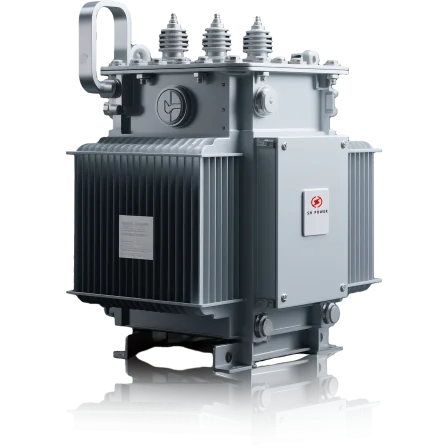
In summary, while navigating the complexities of electrical power distribution systems, consider the long-term impacts of your choices. Look for solutions that align with both current needs and future technology. In my years of experience, I firmly believe embracing modern innovations, like those offered by SH POWER, can set your operations apart from competition, minimizing risks and maximizing reliability. Your power distribution system is only as strong as its weakest link; ensure it’s built to last.