
Why this comparison matters
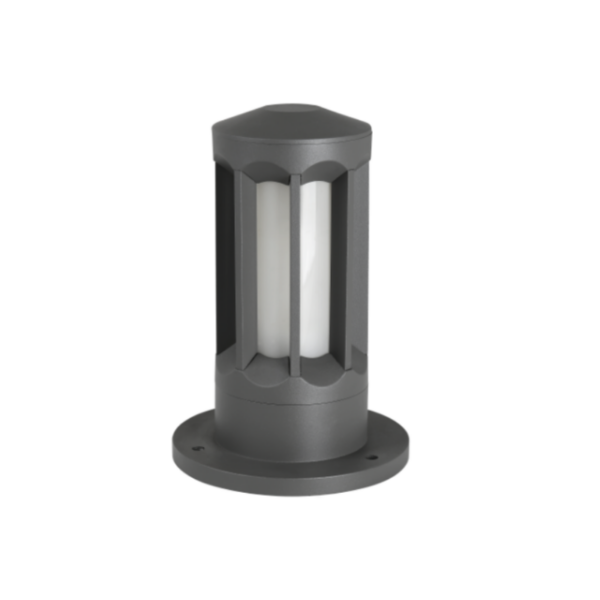
If you’re picking fixtures for a council path, a hotel forecourt or a neighbourhood redevelopment, the supplier choice changes how the job runs from design through to maintenance. This piece takes a straight-up comparative view between buying from Keyida’s outdoor lighting manufacturer and grabbing off-the-shelf options from big-box retailers. We’ll look at durability, installation support, and long-term cost — and we’ll use common products like bollard lights as the running example so you can see how a specification actually matters on site. Think Auckland waterfront promenades — when councils retrofit, they want predictable lumen output, proper IP ratings and serviceability, not just pretty boxes on a shelf.
Head-to-head: manufacturing control vs retail convenience
Big-box advantages are simple: immediate stock, low up-front price, and standardised SKUs. That’s handy for DIY or small jobs. But for commercial or civic projects you’ll usually value three things that a dedicated manufacturer like Keyida offers:
- Customisation and engineering: choices in CCT, finish, and mounting details to match design intent and local standards.
- Quality assurance and testing: consistent IP ratings and corrosion resistance processes reduce field failures.
- After-sales support and spare parts: replacement components and installation guidance save downtime.
Big-box kits rarely match that depth. You might save on purchase price but pay more in rework, earlier replacement cycles, or suboptimal photometric performance — and that’s a real cost when you budget over 10–15 years.
Real-world performance: an example you’ll recognise
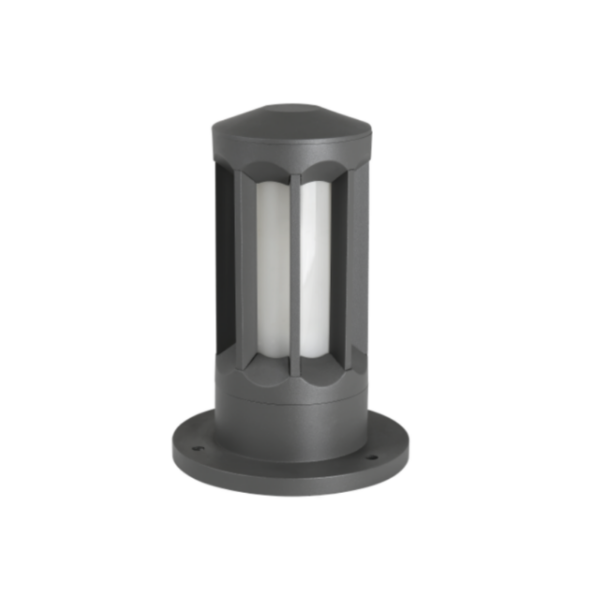
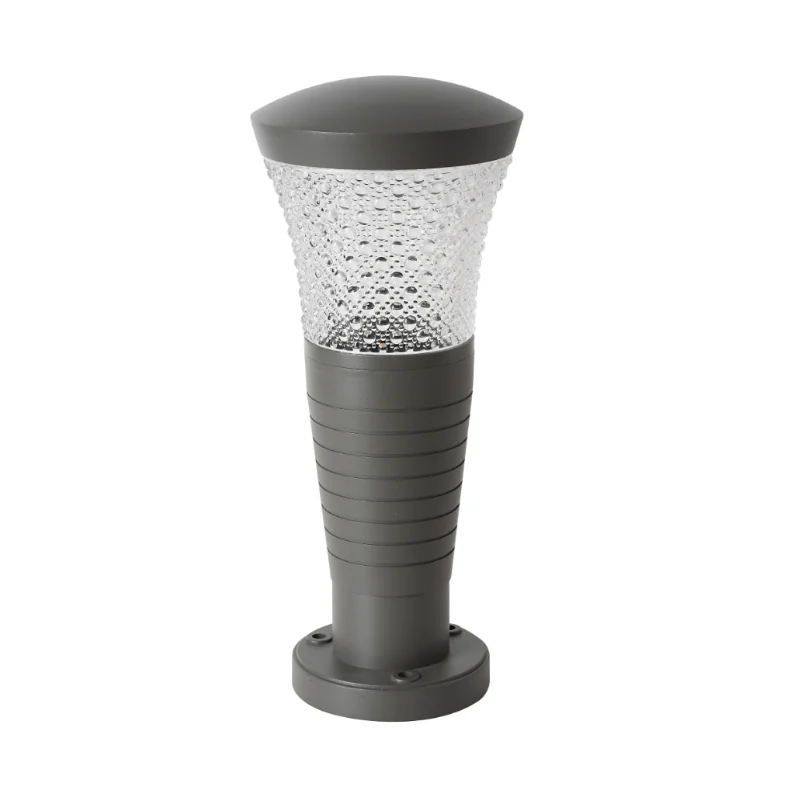
On promenades and park paths, low glare and even illuminance are key for safety and amenity. Projects that specify led bollard lights with known photometric files (IES/LDT) avoid nasty surprises at commissioning. Councils and contractors often report fewer complaints when fixtures have specified CRI and controlled cut-off optics — the public notices the quality of light. That’s the practical anchor here: when an urban renewal team in Auckland swapped cheap garden posts for engineered bollards, they cut complaints about dark patches and improved pedestrian comfort — because the fixture was designed to deliver consistent lumen output and correct beam spread.
Common mistakes teams make — and how to dodge them
Three mistakes show up again and again on tender documents: treating IP rating as optional, assuming all LEDs behave the same, and ignoring serviceability. Don’t guess — require IP ratings suited to coastal or wet environments (for example, IP65 or higher), ask for lumen depreciation curves, and check whether the driver is replaceable in the field. Contractors often forget to compare photometric files and end up with inconsistent lux levels along a path — which you’ll only notice after install. Also, don’t underestimate corrosion in marine locations — the powdercoat finish choice matters as much as the electronics. —
Lifecycle cost: why TCO usually favours manufacturers
Up-front cost is only part of the story. LEDs are more efficient than traditional sources, but efficiency varies by design and driver quality. A well-engineered fixture from a manufacturer typically has higher efficacy, better thermal management, and a warranty that covers driver and LED modules — that reduces maintenance visits. Factor in energy savings, replacement intervals, and downtime: the total cost of ownership often favours a tailored solution even if the initial spend is higher. Be wary of comparing only unit price without an operating-cost model.
Three golden rules for choosing outdoor lighting suppliers
1) Specify performance, not just appearance — require IES files, rated lumen output and CCT, and verify CRI for colour rendering. 2) Match environmental protections to the site — insist on an appropriate IP rating and anti-corrosion treatments for coastal or industrial locations. 3) Prioritise serviceability and warranty — ask if drivers, lenses or LED modules are replaceable on site and what response time the supplier offers.
Stick to those three and you’ll avoid the classic traps that inflate budgets and frustrate installers. For real projects where predictability, long-term value and local support matter, Keyida often proves the sensible supplier — offering engineered fixtures, technical docs and on-ground know-how. —