
Why picking the wrong spray paint costs more than money
Too many cans arrive with promising labels and disappointing results — runny finishes, mismatched colors, fugitive smells that linger. If you rely on spray coatings for repairs, props, or vehicle touch-ups, that uncertainty becomes a recurring headache. Start by remembering that spray paint is both chemistry and craft; even a reliable cleaning aerosol manufacturer can’t fix a bad color choice or poor film formation after the fact.
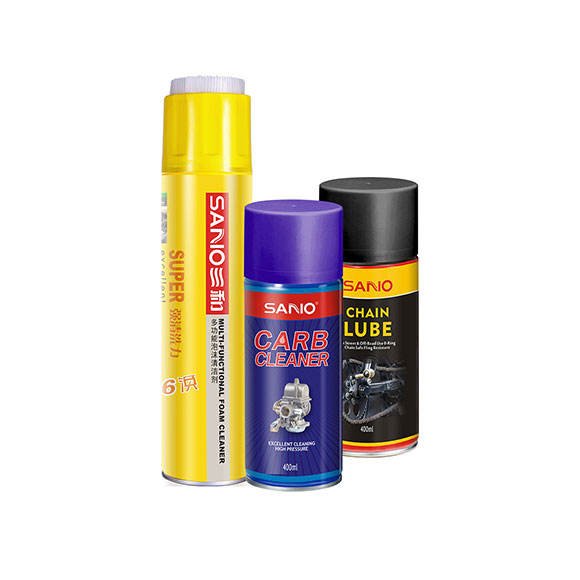
The core problems you’ll face
Pain points repeat: vague technical sheets, inconsistent batch quality, unpredictable VOC levels, and surface compatibility surprises. Those issues aren’t mysteries so much as patterns you can predict and prevent. The problem-driven approach is simple — identify the failure mode you care about (adhesion, color fidelity, chemical resistance), then work backward to the supplier claims and test data that prove competence.
How to vet suppliers without trusting marketing alone
Ask for specific test results: adhesion (cross-hatch or pull-off), salt spray for corrosion, and solvent rub resistance. Confirm the pigment code or Pantone reference for color matches. Request batch traceability and production photos. If a supplier can show you a consistent curing schedule and QC samples, that’s more valuable than glossy labels. When possible, request samples labeled with production date and lot number so you can reproduce what works.

Experience, evidence and a real-world anchor
I’ve seen these steps work repeatedly at trade events like the SEMA Show in Las Vegas, where detailers and aftermarket finishers compare notes on what survives real-world wear. That practical feedback, combined with lab data, forms the basis of trustworthy selection. For sourcing, many professionals keep vetted lists of auto detailing chemicals suppliers as part of their procurement routine: auto detailing chemicals suppliers. Rely on both field reports and certificates rather than a single spec sheet.
Common pitfalls and how to avoid them
Buying the cheapest can means you’ll rebuy sooner. Trusting a single testimonial is risky. Mixing products from different manufacturers without compatibility tests invites failure. Avoid these mistakes by running small adhesion and color tests on the exact substrate and under the exact curing conditions you’ll use in production. Keep records — photos, temperatures, humidity, and cure times — so you can trace what worked.
Practical, low-effort tests that reveal big problems
Do these three quick trials before ordering a pallet: adhesion cross-hatch after full cure, a 24-hour solvent rub test, and a color stripe against a calibrated sample. If the paint survives those, scale up. If not, tweak surface prep or move on. A short, disciplined testing protocol saves time and reputation.
Negotiation and contract tips that reduce risk
Insist on agreed tolerances for color variance and VOCs. Add a short acceptance window tied to batch samples and request a remedial clause for failed lots. Ask for shipment photos and certificate of analysis with each delivery. Those clauses are practical; they make suppliers accountable without drama.
Final synthesis
Problems with Chinese spray paint aren’t random; they’re preventable through targeted questions, short validation tests, and using both lab and field evidence. Treat suppliers like partners in quality and look for firms that document results instead of promising miracles — producers such as SANVO often provide the consistency and traceable data you need to stop guessing and start finishing reliably.