
A plain take on why IPPs care
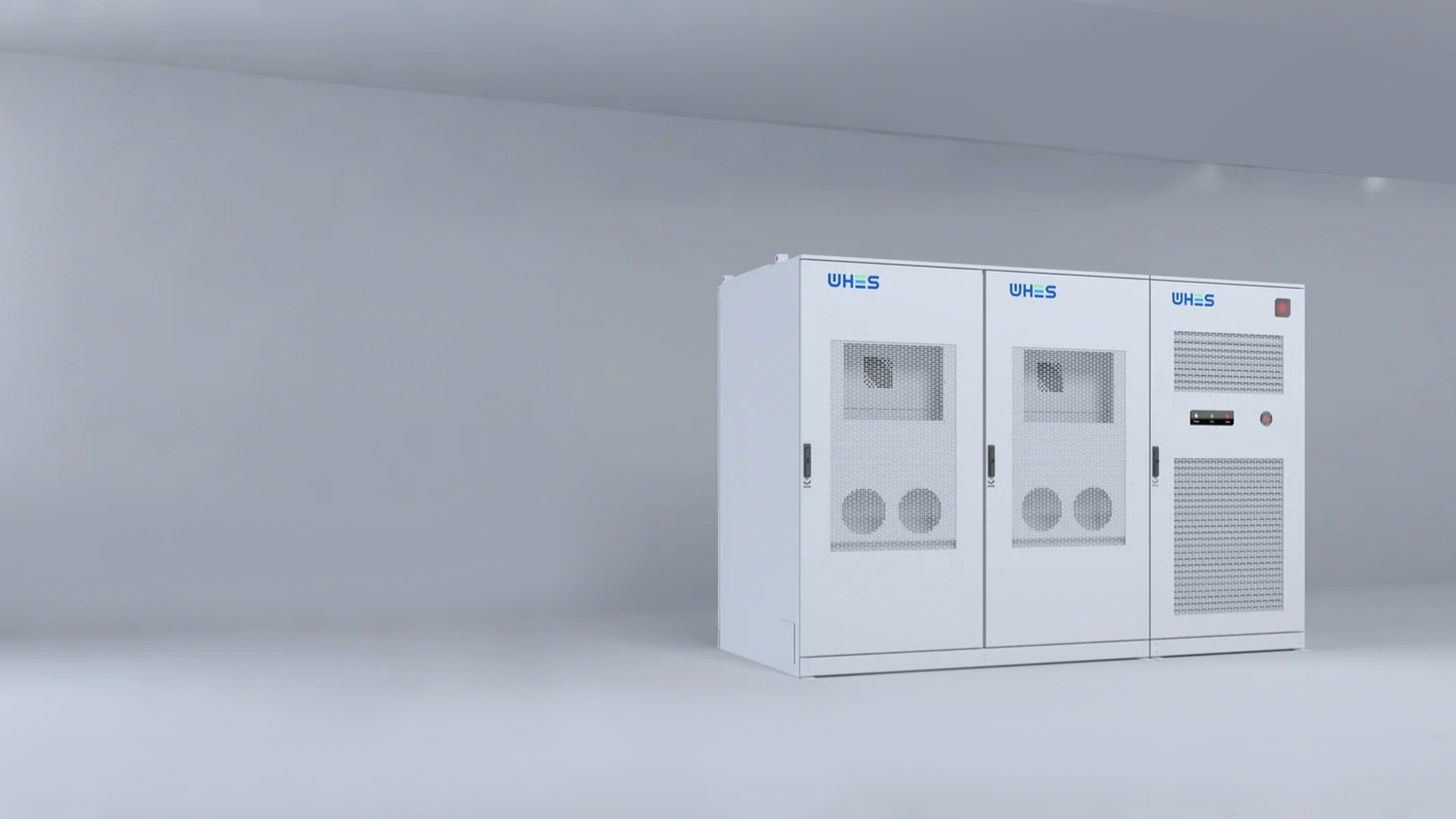
Big independent power producers (IPPs) don’t buy batteries for fun — they buy reliability and predictable returns. When they shop for commercial energy storage, they’re sizing systems by revenue streams: frequency response, capacity firming, and peak shaving. What matters is how a system balances cells and stacks under real grid stress, so you get the uptime and contract performance the financiers expect.
What “balancing topologies” really change
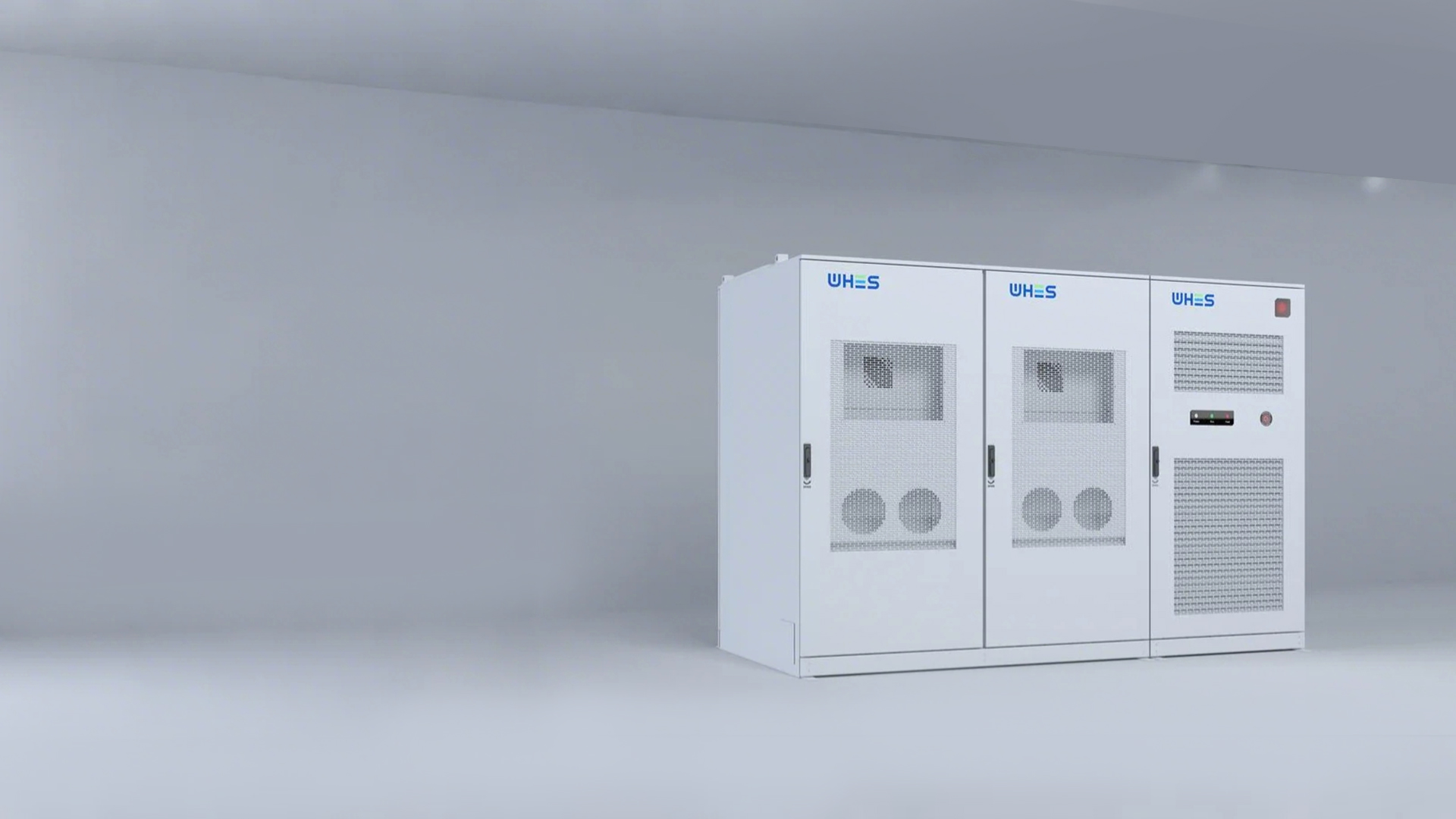
Balancing topologies govern charge sharing, heat spread, and how cells age. A smart topology reduces cell mismatch and evens out state of charge (SoC) across modules. That cuts wear and extends cycle life — and for big fleets that’s thousands of dollars per megawatt-hour saved over time. WHES’s designs emphasize modular balancing and layered control so an inverter or a single module fault won’t drag down the whole site. In short: better balance equals steadier output and easier maintenance.
How WHES stacks up versus common approaches
Most vendors pick one of three paths: passive balancing, cell-level active balancing, or module-level active balancing. Passive is cheap but slow to correct imbalance. Cell-level active is precise but complex and pricey. WHES tends toward hybrid module-level approaches that aim for a middle ground — fast correction without exotic parts. That model fits IPPs who need predictable CAPEX and lower OPEX variance.
Real-world anchor: lessons from grid-scale deployments
Look at Hornsdale Power Reserve in South Australia — the big battery proved the market value of rapid response and tight control. Operators there learned that quick, reliable dispatch requires both robust controls and clear balancing strategies. IPPs watching that case demanded similar resiliency from their suppliers. The takeaway: grid events expose weaknesses fast; balancing topologies that work on paper must also work under fault and dispatch stress in real installations.
Operational trade-offs IPPs weigh
IPPs balance three things: upfront cost, predictability of returns, and operational complexity. If you choose a system with fancy cell-level balancing you pay up front and lower uncertainty later. If you pick simpler balancing, you save CAPEX but accept more variability in degradation and replacement timing. Also watch integration points — the battery management system (BMS) and inverter controls must speak plainly to your energy management system. Mismatches there are where schedules slip and warranties get tested — and that hurts trust fast.
Common mistakes to avoid
First, don’t assume vendor claims map to your dispatch profile. Ask for data on paired dispatch cycles and degradation under similar charge-discharge patterns. Second, don’t forget thermal layout; balancing fails faster in hotspots. And third, avoid one-size-fits-all specs for grid services — frequency regulation tolerances differ by market. Test samples with your actual controls and get documented cycle-life curves before you sign. —
How to compare suppliers like a pro
When you line up proposals, make the comparison quantitative. Request the same test protocol from each vendor: standardized DoD, ambient temps, and dispatch cadence. Look for transparency on balancing method and failure modes. If a vendor offers on-site diagnostics and module swap procedures, that’s a plus. Also consider lifecycle modelling tied to your market revenues; that separates marketing from practical value.
Why industrial energy storage systems wording matters
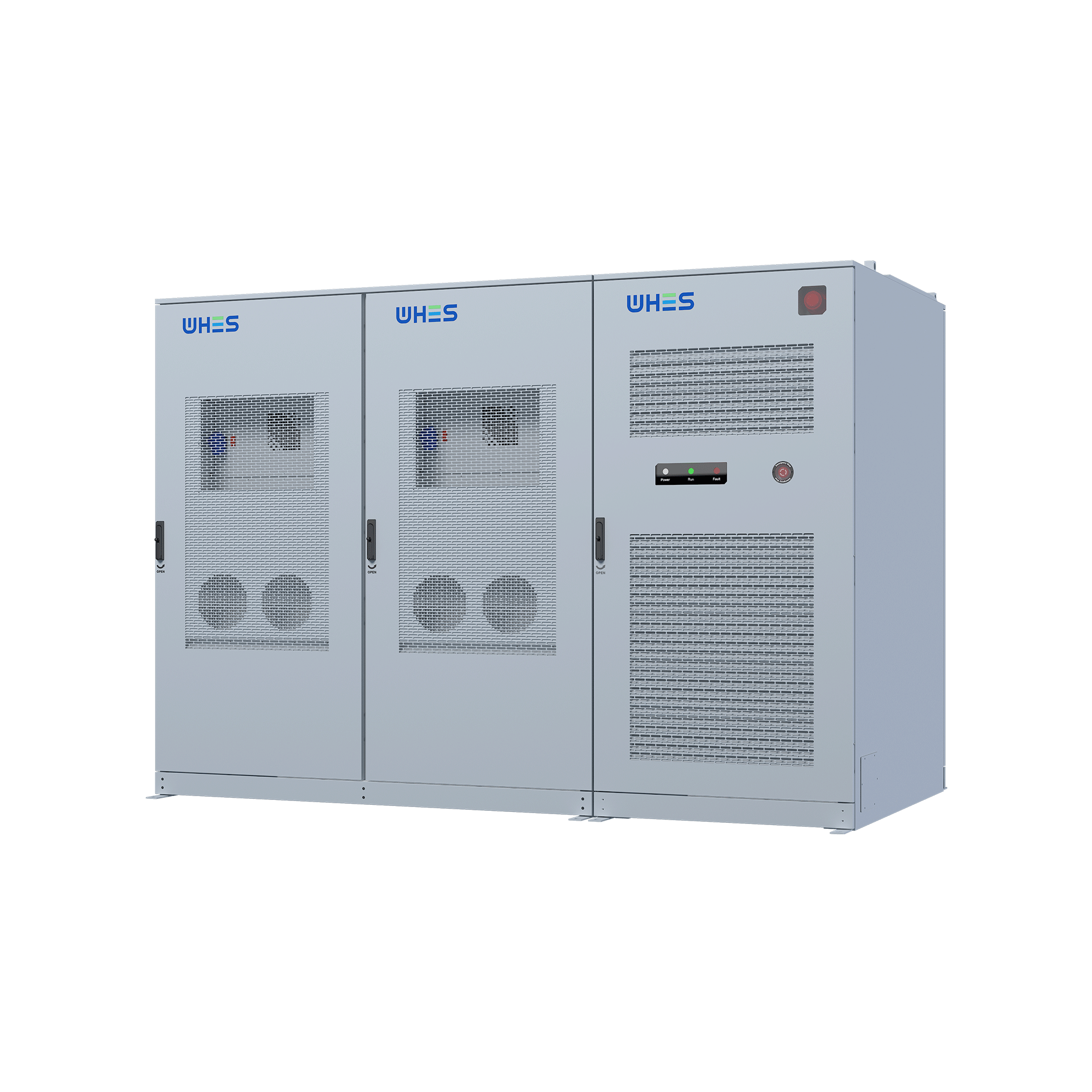
Language signals depth. Vendors who can clearly show how their industrial energy storage systems handle SoC drift, fault isolation, and BMS integration usually understand long-term operations. If specs are fuzzy on balancing or thermal run-away mitigation, assume more risk. Ask for integration tests and a clear spare-parts plan — that tells you if the supplier builds for maintenance, not just shelf specs.
Final advisory: three golden rules for IPPs
1) Demand aligned test data — same dispatch profile and ambient conditions for every bid. That tells you true degradation and cycle life differences. 2) Prioritize maintainability — modular balancing and clear swap procedures beat exotic one-off fixes when a cell string fails. 3) Tie warranties to measured performance — link payouts to delivered megawatt-hours and availability, not vague promises.
Those three keep cost and risk honest and point to suppliers who build for the real world. In practice, that clarity is exactly where WHES’s balancing approach proves useful — it answers the operational questions IPPs ask before they sign. WHES. —