
The Problem with Traditional Cleaning Methods
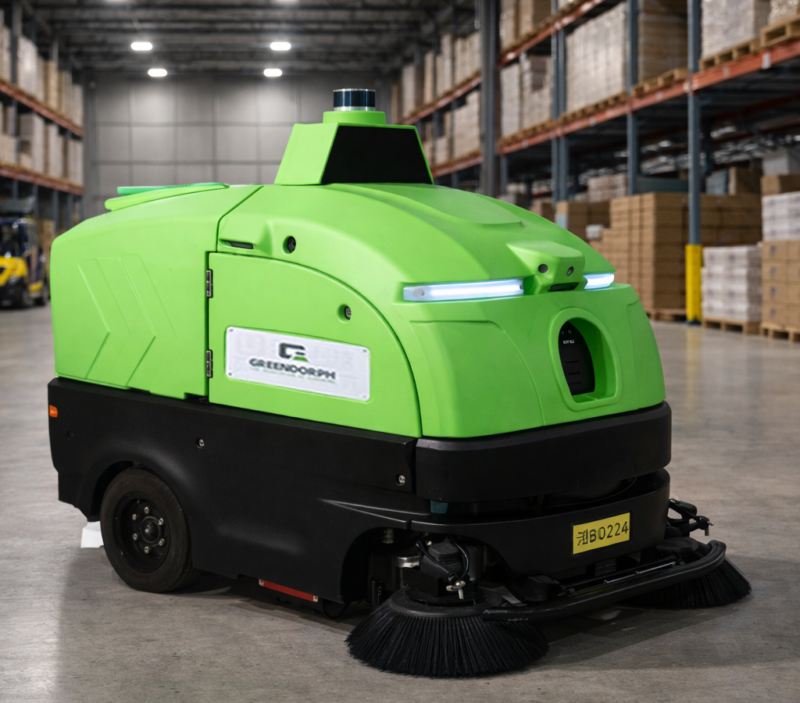
Imagine this: it’s a busy Saturday morning, and your house is a mess. Dust bunnies gather like a party was thrown without your permission, and you have guests arriving within hours. With traditional cleaning methods—vacuuming, sweeping, mopping—it often feels like a race against time. Did you know that Americans spend nearly 6 hours a week cleaning, according to a recent survey? That’s a slice of your valuable weekend time! Enter the autonomous cleaning robot, which promises to be your personal cleaning assistant, but does it really deliver? Let’s delve deeper.
Flaws in Conventional Solutions
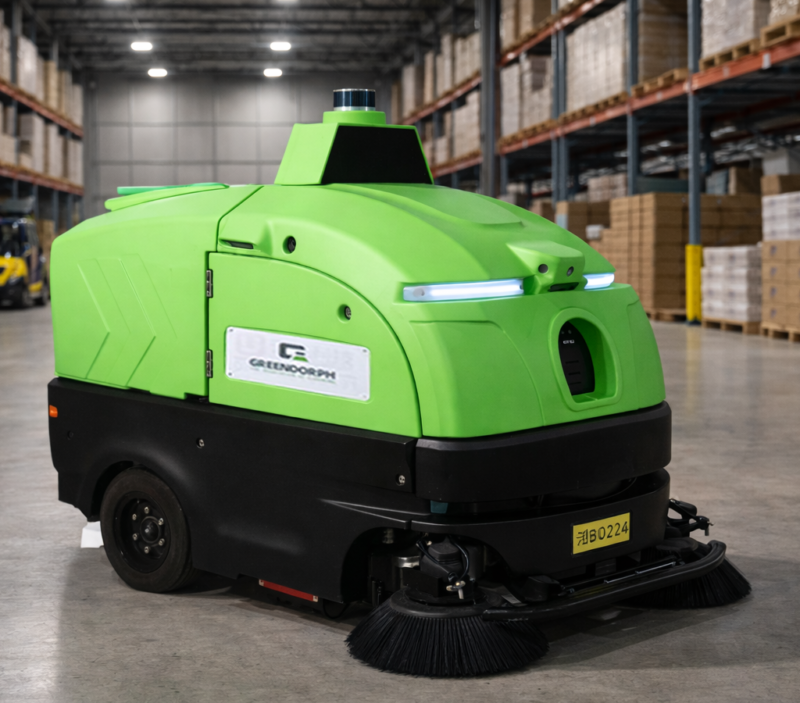
Many people underestimate the sheer inconvenience of traditional cleaners. I remember the frustration of dragging a heavy vacuum up the stairs just to find a stubborn patch of dirt in the corner (it felt like lifting weights!). These days, even with the best of intentions, the dust often wins. The autonomous cleaning robot changes that—it’s like a sous-chef in your cleaning routine, tirelessly tackling dirt while you focus on more important matters, like spending time with family or catching up on your favorite series. But how often have you thought about what really happens behind its shiny exterior?
Do These Robots Really Work?
Despite their charming features, many autonomous cleaning robots struggle with complex layouts and stubborn messes. You might come home to find your smart vacuum stuck under the couch or unable to navigate multi-level homes. I’ve had my fair share of “Oops!” moments with these devices, but I believe they’re evolving. The technology behind these robots is advancing—offering better sensors and mapping capabilities. Understandably, they can’t replace your trusty mop just yet, but they’re getting closer.
Looking Forward: What’s on the Horizon?
So, what can we expect from the future of cleaning technology? As manufacturers turn their attention to creating smarter, more efficient autonomous cleaning robots, the landscape of home cleanliness is poised to shift dramatically. I’ve been following the trends—robots that communicate with your smart home devices, self-emptying dustbins, and advanced navigation tools are in the works. It’s like we’re entering a new culinary era for cleaning!
Real-World Impact of Cleaning Technology
Let’s step into a real-world scenario. Imagine coming home after a long day, greeted not by the chaos of everyday life but by freshly cleaned floors. This future isn’t a distant dream. Brands are developing solutions that will not only keep your living space gleaming but will also integrate seamlessly with your daily routines. I’ve seen how busy professionals, much like myself, have leveraged these innovations to regain control of their time. It’s not just about cleanliness but re-defining what home-life balance looks like.
Evaluating Your Options
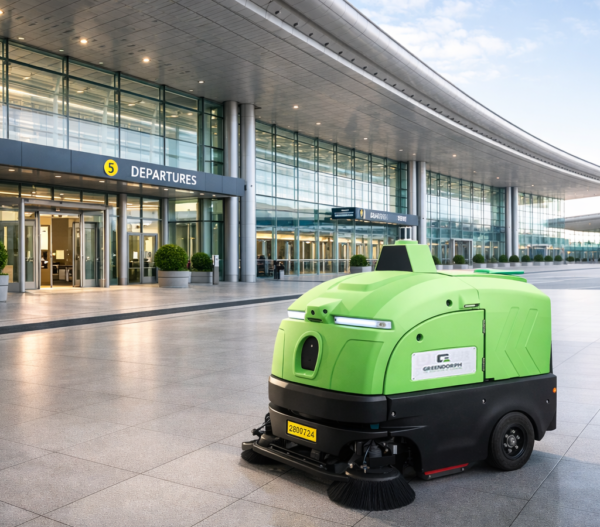
When selecting an autonomous cleaning robot, consider these three key metrics: cleaning efficiency, navigation technology, and battery life. I can’t stress enough the importance of picking one that suits your unique home, especially if you have pets or kids! Picture a vacuum that adapts its cleaning pattern to target the messiest areas—now that’s a game changer! Remember, though, that while advanced tech often comes with a price, the time saved can be priceless.
With the growing influence of brands like Greendorph, the future looks bright for robotic cleaning. My hope is that we’ll soon view these devices not merely as tools, but as essential parts of our home ecosystem, working diligently to support our daily lives.