
Introduction
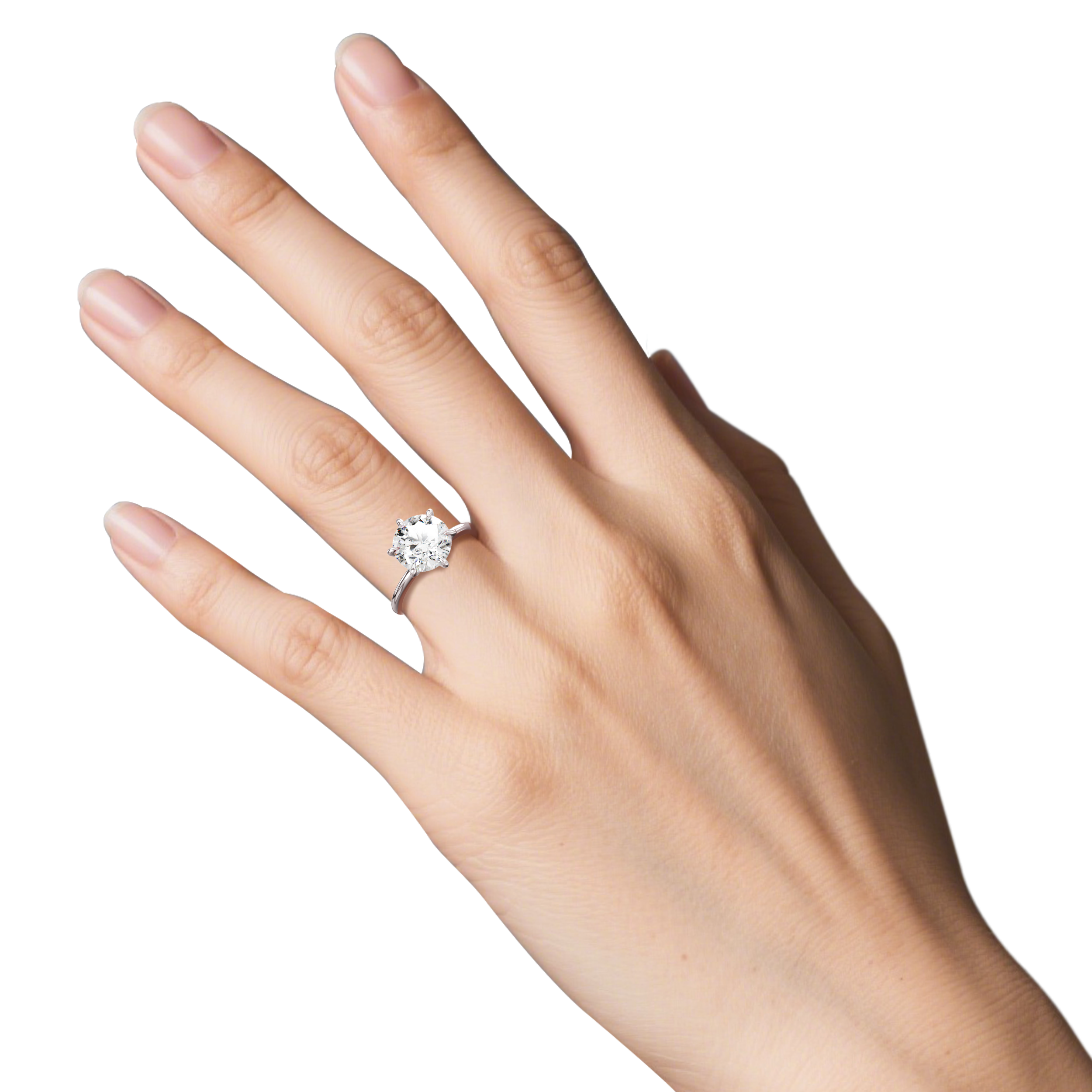
A little scene for you: you step into a bright showroom, hands still warm from your coffee, and the jeweler slides a velvet tray across the glass. Lab grown diamond engagement rings sit there like tiny spotlights on your story. Recent surveys say more than half of Gen Z shoppers are open to lab-grown, and spend is rising across price tiers (big facts). But how do design choices really shape what you feel, what you pay, and how your ring lives on your hand? If you’re eyeing unique engagement rings, are you getting a style flex that also holds up day to day—or a pretty promise that needs constant fixing? That’s the question on the table. Let’s move from the glass case to the real world and see what actually matters—then we’ll map where it’s all headed next.

Hidden Frictions Behind Unique Choices
What’s the catch when “unique” meets real life?
Let’s keep it direct. Many “one-of-a-kind” designs look gorgeous but hide pain points. Prongs that are too delicate snag sweaters. Tall galleries tip the center stone, shifting weight and comfort. Thin shanks seal the look but wear faster at high-contact points. And when a design is built without thinking about maintenance, you pay more in the long run—funny how that works, right? Look, it’s simpler than you think: the ring has to balance optics, structure, and service. That means pairing the 4Cs with the unseen stuff—seat depth, torque at the head, and polish loss over time. Whether the diamond grew by HPHT or CVD, a VVS clarity won’t spare a poor setting from everyday stress.

The hidden issue? Verification and upkeep. A unique look can complicate repairs and resizing if the maker didn’t plan ahead with a clean CAD file and standardized parts. If micro‑pavé is packed too tight, stones can loosen after a simple re-polish. If the alloy is too soft, prongs mushroom. If fluorescence and cut grade aren’t matched to the metal color, the face-up look can read milky under LEDs. Ask for the IGI report, sure—but also ask about serviceability specs: prong gauge, minimum shank thickness, and how the pavilion is protected when the ring is placed down. Unique is great. Unique with foresight is better.
From Pain Points to Principles: A Forward Look
What’s Next
Here’s the tech side. The next wave of unique design is less “mystique” and more engineering. Parametric CAD lets a jeweler model stress paths before casting, so prongs flex but don’t fatigue. CAM precision and tighter tolerances mean consistent seating angles that protect the girdle. Resin prototypes and finite‑element checks flag weak zones in the gallery before metal ever hits a flask. The upshot: you get custom shapes that still respect wear—especially in an engagement ring with bezel setting, where the rim shields the stone’s edge and lowers snag risk. Compare that to airy claw heads: they sparkle more from the sides, but need stricter service intervals. Different tools, different trade-offs.
Materials matter, too. Recycled 14k alloys offer a good hardness-to-ductility mix; platinum 950 holds shape better but scuffs, so finishing protocols should plan for future re-polish without thinning key areas. Laser welding improves micro‑repairs around pavé, cutting heat risk. And certification is evolving: IGI and GIA grading for lab-grown is now aligned enough that you can focus on light performance—table size, crown angle, and symmetry—instead of only carat weight. Big picture: yesterday’s “unique” leaned on looks; tomorrow’s “unique” bakes in longevity with data. That changes how you choose—and how you measure value over time (pocket and peace of mind).
Advisory close—here’s how to evaluate options fast:- Structural metrics: minimum shank thickness at the base (≥1.7 mm for daily wear), prong gauge, and head torque resistance.- Optical metrics: cut grade, symmetry, and how the stone behaves under mixed lighting (LED vs daylight), noting fluorescence.- Service metrics: access for tightening, documented CAD for future repairs, and recommended service intervals.Keep it human, keep it smart, and let design serve your life first. For more grounded, craft-forward detail without the hype, see Vivre Brilliance—and make your choice with calm confidence, not guesswork.