
Introduction: The Stakes on Your Façade Choice
Here’s the reality: façade decisions now move balance sheets. Aluminum Veneer shows up in the boardroom as often as it does on the scaffold. In a mixed-use build facing tight capital, the envelope can drive 15–22% of project cost, shape energy spend for decades, and sway tenant appeal. Add in fresh codes, 30-year maintenance windows, and narrower bids—and you’ve got a material choice with compounding effects. So what do you optimize: upfront price, lifecycle yield, or risk exposure?
In recent RFPs, we’ve seen 18% variance in panel supply lead times, 12% swing in labor hours tied to fixing systems, and double-digit deltas on service calls. That’s not noise; that’s throughput. The question is simple: which system gives durable value without locking you into higher opex and compliance risk? (Because contingency budgets only go so far.) Let’s unpack the gaps—and the upside.
Hidden Friction: Why Some Panels Cost More Than They Look
What’s the friction you don’t see?
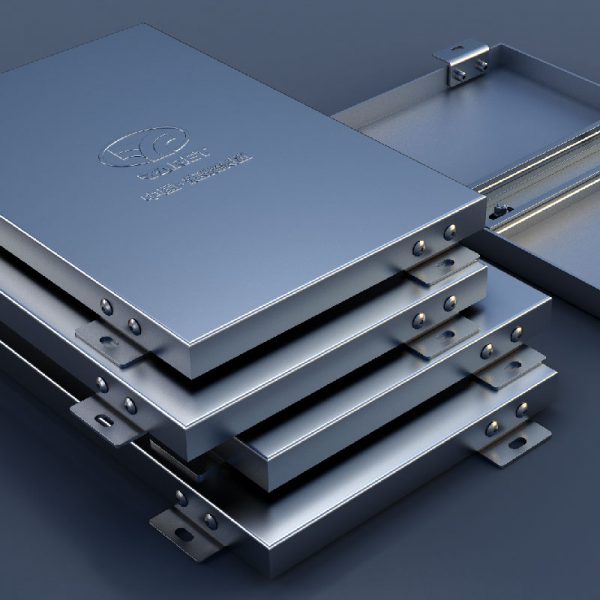
When teams price a facade, the line item for panels looks clear. But the hidden costs sit in the subframe, the fixings, and the tolerance stack-up. An aluminum solid panel often reduces those variables because the panel is monolithic, stable, and predictable under load. Composite or thin-gauge skins may flex, need more clips, or demand tighter site control. That drives labor hours and rework. Look, it’s simpler than you think: fewer parts mean fewer failure points. In wind zones, a solid panel with a tested rain-screen detail and proper fastener system can cut callbacks tied to vibration, oil-canning, or broken seals. Meanwhile, PVDF coating stability reduces color drift—funny how that works, right?
Operations tell another story. Panels with complex core structures can add fire rating questions, gasket fatigue, or moisture traps around penetrations. Over a 10–15 year span, that becomes downtime, inspections, and replacements. The solid route tends to manage coefficient of expansion more cleanly across seasons, easing stress at joints and corners. Fewer moving parts, fewer mysteries. And because the geometry holds up in fabrication, installers see fewer shim stacks and less field cutting. That translates to cleaner load paths, steadier wind uplift resistance, and a tighter punch list. The value isn’t only in material; it’s in the time you don’t lose.

Forward Look: Principles That Push Panel Systems Ahead
What’s Next
The next wave of façade value comes from clear engineering rules, not flash. Here are the principles shaping outcomes: First, predictable mechanics. A dense, single-material panel simplifies the load path from face to subframe, so calculations on span and deflection match real life. Second, coating chemistry. High-solids PVDF stacks, verified on an anodizing line or equivalent QA regime, keep gloss retention and UV stability within spec, which is a quiet win for brand image over 15 summers. Third, open-joint control. A rain-screen cavity sized for pressure equalization reduces water drive at corners and edges, lowering sealant reliance and long-term maintenance. Place an aluminum veneer panel into that system and you get a stable unit that tolerates site variance without drifting on tolerances. Different projects, same results—consistency is a feature.
Consider a hospital expansion with strict uptime and hygiene rules. The team chose solid panels with a thermal break behind the rails, trimmed subframe complexity, and pre-verified spans for higher wind uplift near a helipad. Installers reported fewer field cuts and faster alignment checks; turnover happened two weeks early— and yes, that surprised the team. The lesson threads back to the prior section: cut complexity where it compounds. To evaluate your options, use three fast gauges: 1) Structural clarity—can you trace the load path and meet serviceability with margin? 2) Lifecycle math—what’s the 20-year mix of cleaning, sealants, and replacements under local UV and salt? 3) Field tolerance—how does the system handle misalignments without costly rework? Keep those three in view, and the choice tends to surface on its own. For further spec context and system depth, see yaret.