
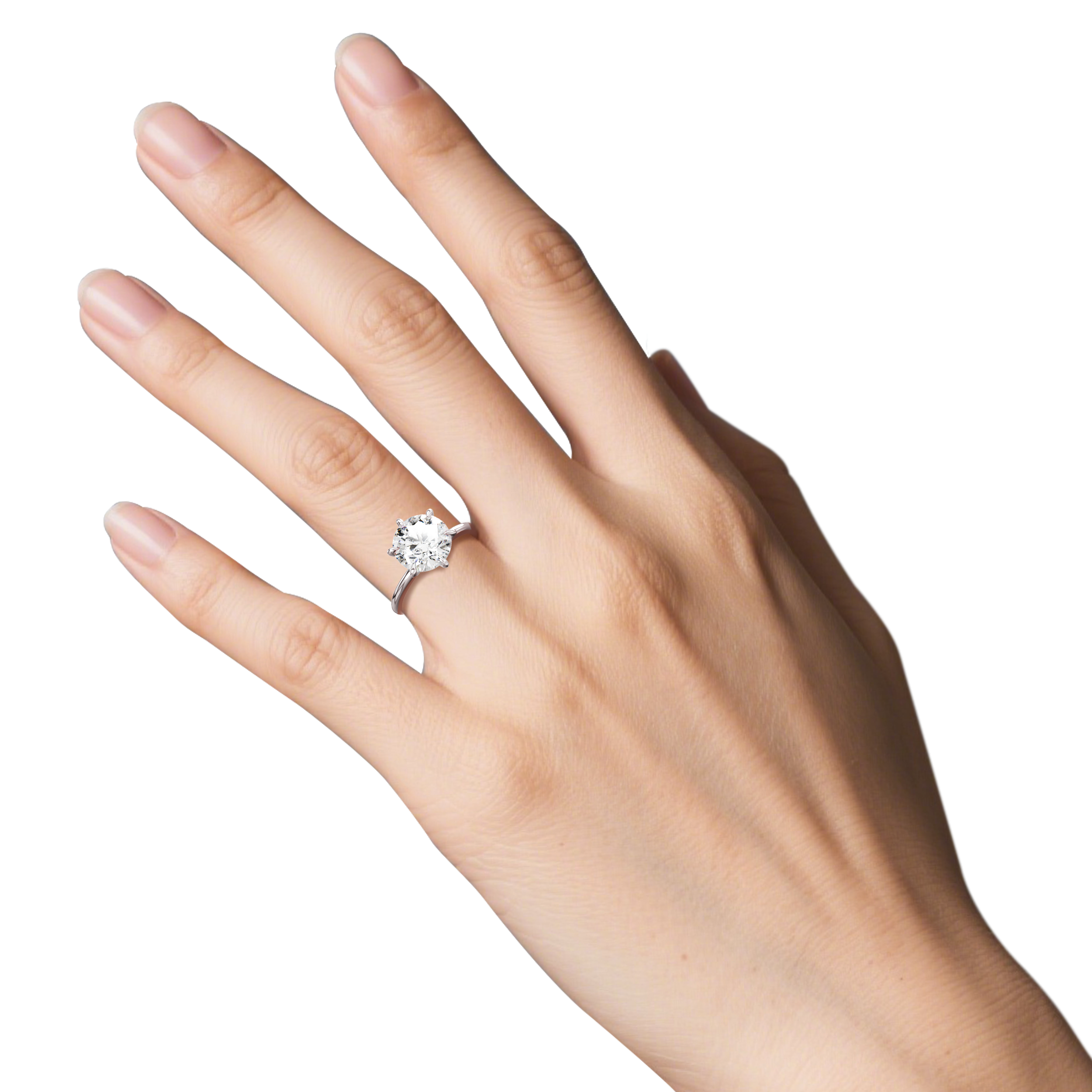
Introduction: When the Light Hits and Choices Multiply
Last week, a friend stood under the bright mall lights, trying on ring after ring, and her smile kept shifting. Personalized diamond jewelry can look simple, but the choices stack up fast. Studies say over half of buyers feel decision fatigue within 15 minutes of comparing metal colors and stone sizes—numbers climb when custom details enter the chat. So, how do experts turn a maze of specs into a ring that feels like you, and not just a catalog piece (chai mai)?

Here’s the thing: the “right” sparkle is not only about the diamond; it is also about the metal under it, the way claws hold it, and how your daily life rubs against both. In short, practical fit meets personal story. The question is simple—what do pros see that most of us miss, and how can we borrow that lens for calm, confident picks? Let’s step into their workflow, then move forward to what’s next.
Hidden Pain Points: The Fine Print Behind 14k White Gold
Why does white gold lose its shine?
In workshops, the hard truths are small and metal-deep. With 14k white gold jewelry, brightness often comes from rhodium plating, not the alloy itself. That finish can thin in 6–18 months, faster on rings that meet soap, sanitizer, or gym gear. Traditional fixes? Just “re-plate.” But repeated rhodium cycles can soften fine details and shift the ring’s edge geometry over time. Look, it’s simpler than you think: alloy composition, not just plating, controls base color and hardness. Add a tight micro-setting and tiny prongs, and service intervals matter. If the prong tolerance drifts after resizing or polishing, a diamond’s seating can loosen—funny how this risk grows only when you baby the ring the most, right?
Then there’s skin. Some 14k white gold alloys include nickel. It adds strength, but can spark irritation for sensitive wearers. Pros run a basic color grading check on the metal’s tone next to the stone’s hue, so the diamond doesn’t look warmer than the band under daylight. They also watch heat flow during resizing; too much can affect solder joints and prong spring-back. One more hidden point: “tolerance stack-up.” A slight CAD variance, plus a hot polish, plus re-plating can add up to a gap you feel but cannot name. The fix is boring but solid—better base alloy, cleaner geometry, fewer rescues later.
Comparative Outlook: Smarter Builds, Fewer Surprises
What’s Next
From here, the pro trick is not magic. It is control. Newer palladium-rich white gold alloys reduce nickel exposure and keep a more stable white tone, so rhodium is a choice, not a crutch. Some benches also shift to PVD-style top coats for tougher wear—thinner, more even, and less prone to edge loss. Laser welding helps with micro-repairs, limiting the heat-affected zone and keeping prongs springy. Compared to old-school torch work, diamonds see less stress, and facet symmetry stays safe during tight adjustments—tiny wins that add up.

On the stone side, personalization goes data-first. CAD-CAM models map prong pressure and seat depth to your exact diamond size, whether it’s a petite solitaire or a center like a 2 carat lab grown diamond. A short “fit check” pass ensures the crown and pavilion are supported without overbite. Some shops even use quick spectrometer checks to match metal tone with borderline color grades, so G/H stones don’t read warm beside a cool alloy—one detail, big visual impact. The tone here is calm and measured, because the tech is doing quiet work in the background—and yes, it matters.
So the comparison lands here: older methods ask for more maintenance and more faith; newer builds ask for better inputs and deliver steadier output. Fewer trips for re-plates. Fewer post-resize surprises. And a cleaner match between the story you want and the ring you wear.
How to Evaluate Your Options
Let’s end with a short checklist you can use anywhere, no drama. Think in metrics, not slogans—funny how that flips the whole buying mood, right?
– Durability cadence: ask the bench for an expected “finish interval” in months, and what changes after each re-plate or refinish.
– Fit precision: request prong gap/tolerance after final polish (microns or a clear bench standard), and whether laser welding is used for micro-repairs.
– Color harmony: compare metal tone to your diamond color grade under daylight LED; note any delta that makes the stone look warmer or cooler.
Use these three, and you’ll feel the difference in days, not years. You keep the shine, the comfort, and the story aligned. For more maker-grade insight and calm choices, visit Vivre Brilliance.