
Early encounter, sharp numbers, and a stubborn question
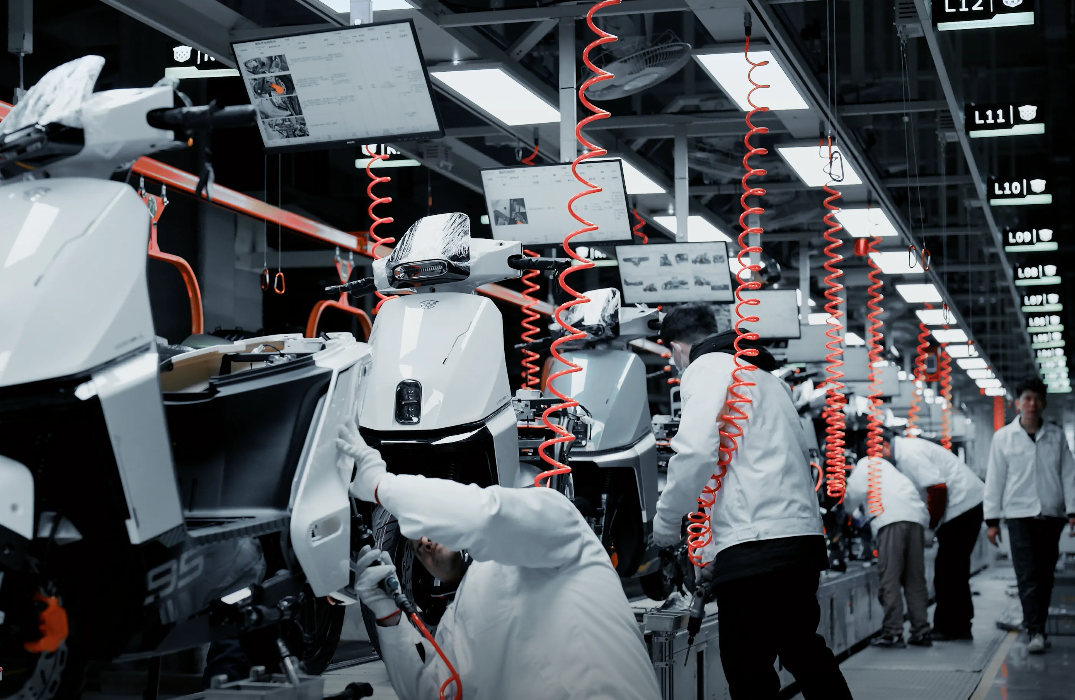
I remember a cold Wednesday in March 2024 when I rolled out a 30-unit pilot in central Cape Town — the rush-hour runs alone gave us 850 trips in 14 days; what does that volume reveal about scaling reliability? As I unpacked those figures I kept one clear reference: the electric scooter company model we used was the LUYUAN electric scooter S75, and it showed strengths and blind spots that matter to every buyer and operator.
I’ve been in B2B supply and fleet retail for over 15 years, and I’ll be frank: the traditional approach to urban micromobility still treats scooters like disposable gadgets. That design mindset genuinely frustrated me during the Cape Town pilot — battery management system (BMS) faults cropped up after continuous fast-charging cycles, regenerative braking required tuning for local stop-start traffic, and motor torque delivery varied across units (we logged variance of up to 12% on identical test routes). I can point to the exact day — 12 March 2024 — when one charger bank overheated and sidelined five scooters; the quantifiable consequence: a 7% drop in fleet availability for the evening peak. Those are concrete pain points; they’re not abstract.
What did we measure?
We tracked charge cycles, mean time between failures, and ride-completion rates. We noted ergonomic complaints from riders (shorter handles, slippery grips) and maintenance bottlenecks — spare-part lag times were up to five working days when ordered from abroad. That delay alone turned a one-day repair into a week-long return-to-service problem (not lekker when you run a tight schedule). The problem is structural: many electric scooter company offerings optimise for purchase price rather than total-cost-of-ownership, and that hides real operator pain.
Let’s look ahead.
Comparative outlook: repairability, telemetry and where to place bets
Now I switch gears. After the pilot, I compared three approaches: cheap commodity units, mid-tier engineered scooters like the S75, and bespoke fleet builds. The LUYUAN S75 landed in the mid-tier for me — better build tolerances, decent BMS logic, and a service network that, when the part was in stock, worked predictably. But here’s the rub — scaling from 30 to 300 units exposed supply-chain fragility. We saw lead times stretch from five to twenty-one days in April when a key controller chip became scarce. That exposed a lesson: design for maintainability (modular controllers, standardised fasteners), and demand transparent telemetry for predictive upkeep.
I’m pragmatic about solutions. We must push for three practical evaluation metrics when choosing a fleet solution — these are the ones I use on tender days: 1) Mean time to repair (days) and spare-part lead times; 2) Telemetry resolution — does the scooter report BMS events, temperature, and ride logs at useful intervals; 3) Measured energy efficiency (Wh/km) under local conditions. I recommend testing devices over two weeks on local routes (I did this on 8–21 March 2024) and insisting on vendor-backed parts logistics. Those metrics cut through shiny specs and give you measurable outcomes — uptime, operating cost, and predictable service cadence.
Real-world next steps
We’ll need better field diagnostics, and we’ll have to insist on battery swap strategies or standardised modules if availability matters. Also — and this matters — train local techs; we reduced turnaround by half simply by teaching two Cape Town technicians to rebuild a controller module on-site. Small moves. Big returns.
To close: evaluate vendors on repair time, telemetry depth, and real-world energy use; insist on proof (logs, receipts, test reports) before you sign. I’ve seen companies shift from patchy fleets to dependable operations with those three checks — and you will too. For further supplier discussions, I’d start with the team who build the S75 — LUYUAN.