
Introduction — a quick scene
I was stuck in a late-night traffic jam on the Cross-Harbour Tunnel, watching brake lights glow like a slow heartbeat, and I thought: our tires do so much silently. In that moment I started thinking about green tires silica and how small changes in compound can save fuel, cut noise, and even reduce heat build-up (you know, the little things that add up). Recent tests show that switching to a well-dispersed silica compound can lower rolling resistance by several percent — real numbers, not just marketing fluff. So, how do we get from lab bench recipes to real tyres that drivers actually feel on Hong Kong streets? This piece walks through that path, bit by bit, with my own take and practical angles — let’s move on to the nuts and bolts.

Why traditional tire materials processes fall short
tire materials often get treated like a recipe you follow and never question. I’ve seen mixing mills run at standard cycles, compounding formulas copied across plants, and teams rely on past rules of thumb. But silica dispersion, tread compound balance, and dynamic modulus behaviour are not one-size-fits-all. Poor silica wetting, high Mooney viscosity, or uneven filler distribution can raise rolling resistance and hurt wet grip — that’s the trade-off traditional approaches hide. Look, it’s simpler than you think to spot these flaws if you stop trusting easy assumptions. We need to measure dispersion quality, monitor torque curves during mixing, and check cure state more often. Without those checks, you get batches that look fine on paper but disappoint on the road — frustrating for product teams and for drivers.
What’s the core issue?
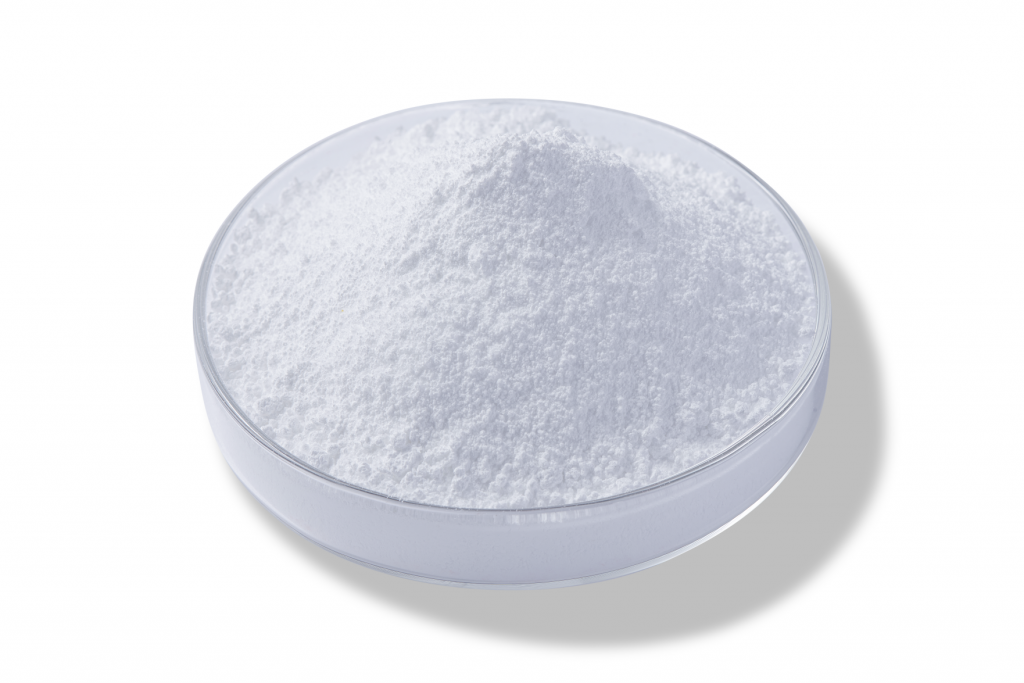
At a technical level, the problem often begins with suboptimal silica coupling and inconsistent shear during mixing. I’ve personally seen silica clusters pass QC yet deliver inconsistent wet grip because the mixing profile wasn’t adapted to the specific SiO2 loading or polymer blend. That means more rework, higher scrap, and unhappy customers. The cost? Not just money — it’s reputational. If you care about performance and sustainability, you can’t rely only on legacy parameters like simple cure time. Measure viscoelasticity, check the Payne effect, and track filler–polymer interaction. These terms sound dense, but they map directly to what you feel while driving. — funny how that works, right?
Future outlook: case examples and practical principles
I want to look forward now and share some practical ways companies are solving the problems above. One case I know well involved a mid-sized tyre maker who shifted to a tighter silica dispersion protocol and adjusted polymer tackifiers. They began by testing small pilot runs with varied mixing energy and longer silanization dwell time, then scaled up only after consistent dynamic modulus readings. The result: lower rolling resistance, better wet grip, and fewer customer complaints. When we talk about new practice, I mean simple steps — measure more, tweak less, but tweak smarter. This is where tire materials selection matters; choosing the right silica grade and coupling agent can save months of tuning.
What’s next for teams?
Going forward, I recommend a three-point approach. First, invest in better in-line monitoring (torque sensors, real-time dispersion imaging). Second, set up small factorial trials that vary mixing energy and silane content. Third, close the loop by driving real vehicles on representative roads — lab numbers must match what drivers feel. You’ll need to balance viscoelasticity, compound stiffness, and silica loading. These sound like jargon, but they become clear once you get data and compare batches. — short pause — you’ll notice trends fast, and that’s where confidence grows.
Closing: how I’d evaluate new solutions
We’ve seen that small process shifts make big differences. If you’re choosing between suppliers or new protocols, here are three metrics I rely on: (1) dispersion index — measured not just visually but via quantitative imaging; (2) rolling resistance delta at controlled temperature; and (3) wet-grip performance across a range of speeds. Use those to benchmark options, and don’t accept vague claims. I feel strongly that practical testing beats glossy brochures every time; we owe it to drivers to be rigorous and honest. If you follow this playbook, you’ll cut wasted cycles and build tyres that perform where it matters — on the road. For silica sourcing and technical support, I personally look to partners who publish hard data and share process expertise, like JSJ.