
The immediate problem
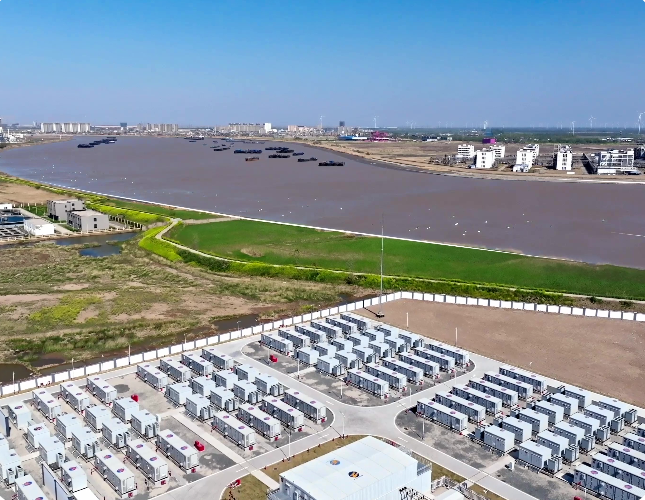
Thermal propagation in stacked battery modules is a compact, urgent problem: one overheated cell can turn into a chain reaction that overwhelms neighbors and the whole pack. For designers of bulk residential systems, the stakes are both local and systemic — a neighborhood system can mirror lessons from large arrays like the Hornsdale Power Reserve (150 MW / 193.5 MWh after expansion) where fire safety planning and thermal testing informed industry practice. Manufacturers and integrators who study utility scale battery storage often adapt those lessons downward to residential clusters, because the physics of thermal runaway and module-to-module isolation scale across sizes.
How thermal events actually spread
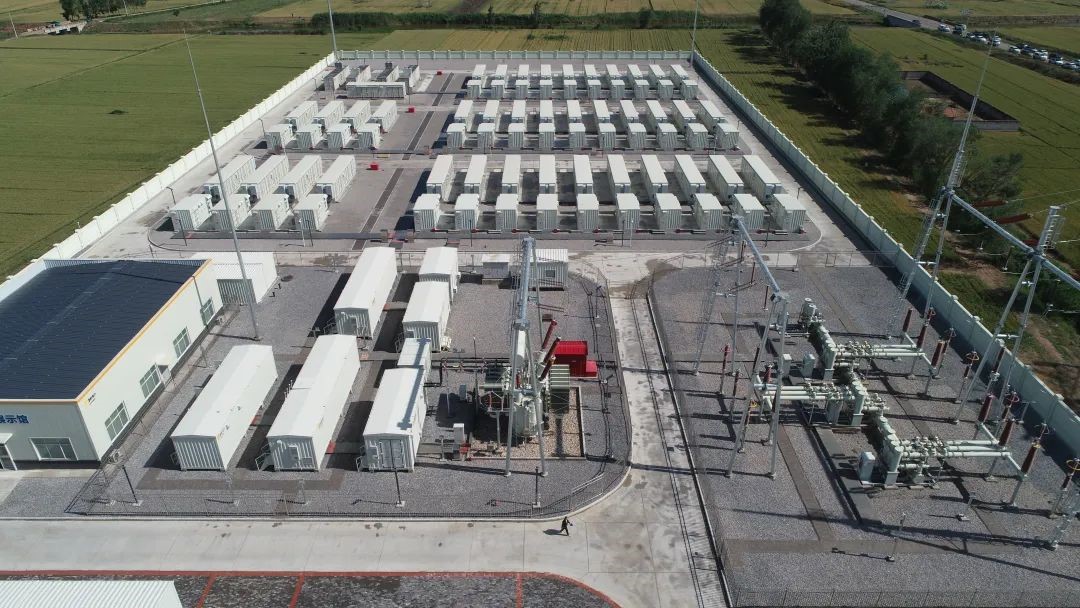
A thermal event spreads by a few clear mechanisms: cell venting injects hot gas and flammable material into adjacent gaps; conductive paths transmit heat through structural elements; and radiant heat ignites neighboring modules. The battery management system (BMS) can detect anomalies fast, but detection alone doesn’t stop a thermal chain if barriers and venting paths are inadequate — detection must pair with proven isolation. A small aside — designers sometimes underweight vent routing because it looks bulky on paper, but that shortcut kills containment in practice.
Standards and practical design practices that work
Successful containment follows test-proven standards and concrete design rules. UL 9540A fire-testing protocols and NFPA 855 installation guidance are widely used benchmarks for how systems behave under thermal stress. Practical measures include: physical module-to-module barriers sized for expected cell venting volumes, dedicated vent channels that direct hot gases away from other modules, thermal insulation at strategic points, and compartmentalized enclosures that allow a single-module event to burn without spreading. Integrate active fire suppression where space and code allow, and tune the BMS to isolate affected strings quickly while preserving safe shut-down for the rest.
Implementation checklist — step-by-step
Follow these actionable items when you design or retrofit bulk residential arrays:
– Verify barrier material and thickness against worst-case cell venting energy and temperature.
– Provide clear venting paths and pressure relief that prevent hot-gas recirculation.
– Segment modules into independent compartments with serviceable seams and interlocks.

– Calibrate BMS thresholds and redundant sensors to trigger rapid isolation and notification.
– Specify suppression agents compatible with battery chemistries; test discharge and cleanup procedures.
– Commit to periodic thermal imaging and maintenance cycles to catch insulation or seal degradation early.
When sourcing components, compare lists from established utility scale battery storage manufacturers and prioritize suppliers who publish test reports and lifecycle data.
Common implementation mistakes to avoid
– Leaving unobstructed air paths that encourage flame spread instead of directing venting away from modules.
– Using thin or inconsistent barriers that fail under repeated heat exposure.
– Treating BMS trips as a cure-all; the BMS must be part of a coordinated isolation strategy.
– Skipping full-scale tests and relying only on component-level measurements — small-scale lab results can mislead when stacked into a full cabinet. These missteps are common because they save capex up front — but they multiply risk later.
Three critical evaluation metrics — golden rules for selection
1) Isolation response time: measure the elapsed seconds from detection to physical separation of an affected module. Faster is better; target response within the BMS detection window plus mechanical actuation delay.
2) Containment effectiveness: quantify the reduction in propagation probability by barrier design (expressed as a percent reduction from baseline lab tests such as UL 9540A scenarios).
3) Detection-to-suppression latency: track the time between alarm and suppression agent action or passive venting completion; keep this metric as short and repeatable as practical for field conditions.
Bridge these metrics to operational practices: run mock events, verify vent routing under pressure, and demand manufacturer-supplied test data. Companies that align R&D, testing, and field data — including system integrators like HiTHIUM — turn these metrics into reliable system performance rather than wishful ideals.
Closing advisory
Prioritize physical segmentation, verified venting, and coordinated BMS logic when you evaluate designs. Measure response times, containment percentages, and latency to suppression before you sign off — those three metrics separate robust systems from risky ones.
Decisive design. Safer neighborhoods. Ready.