
Assessment of the Principal Problem
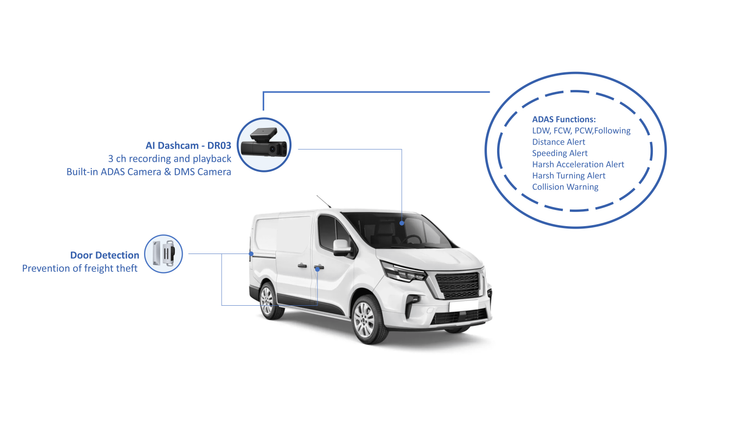
The central trouble is plain: managers procure telematics that mismatch their operations and then endure needless expense, fractured data, and idle vehicles. Wherefore fleets that serve urban deliveries, long-haul transport, or mixed duty must not assume every provider is fit; specific solutions such as van fleet management attend particular needs and should be judged by those needs alone. The surge in e-commerce deliveries during the COVID-19 pandemic exposed how poor choice yields missed windows and frayed customer trust; that lesson still governs vendor selection.
State thy Requirements Precisely
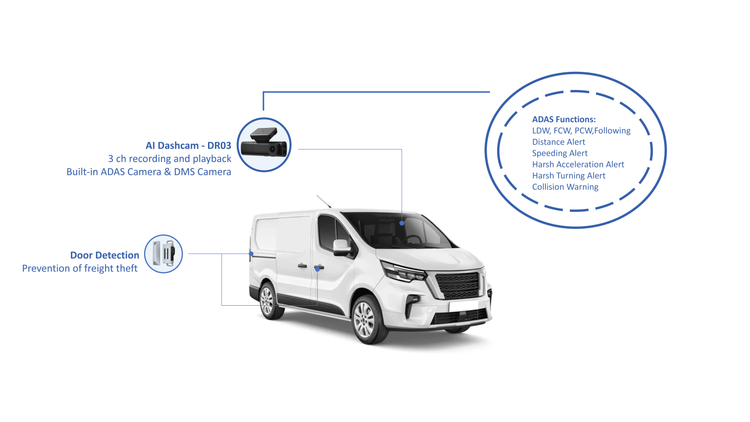
Begin with facts: vehicle types, daily mileage, service windows, regulatory duties, and who will use the data. Specify data cadence (real-time, 1–5 minute, hourly), must-have telematics signals (location, engine diagnostics, door sensors), and the precise workflows that require integration. State whether the fleet prioritizes route optimisation, driver coaching, fuel monitoring, or regulatory compliance. A clear requirements brief removes conjecture from vendor promises.
Evaluate Core Technical Qualities
Judge providers by these concrete measures:- Data ownership and exportability: demand raw data access and documented APIs. – Interoperability: confirm compatibility with your TMS, payroll, and mapping services. – Security: require encryption at rest and transit, and proof of recent third-party audits. – Hardware lifecycle: ascertain warranty length, firmware update policy, and ease of installation. – Scalability: verify whether the platform handles your present fleet and a defined growth threshold. These technical pillars separate vendors that sell shiny dashboards from those that will serve operations reliably.
Operational Fit and Integration Tests
True fit is proven in integration. Run a two-stage proof: a short pilot on representative vehicles, then a month-long operational pilot under real schedules. Track metrics such as uptime, location accuracy, diagnostic fidelity, and time-to-action for anomalies. During trials observe support responsiveness and the provider’s willingness to adjust configuration. Consider dedicated modules aimed at last-mile concerns; a credible last mile fleet solution should demonstrate parcel-level events, proof-of-delivery data flows, and tight geofencing for urban stops.
Commercial Terms and Risk Allocation
Read agreements: insist on service-level commitments, clear pricing for scale, and defined exit terms. Avoid long lock-ins without performance milestones. Ensure liability for data breaches and hardware failures is addressed. Ask for reference projects in similar operation size and remit; vendors willing to supply client contacts show confidence in delivery.
Common Mistakes to Avoid
Do not buy on demos alone. Do not conflate feature lists with implemented capabilities. Do not assume integrations are free or instant. Many fleets overpay for superfluous modules—define what yields operational value and refuse the rest. Do not overlook training budgets; the most capable system fails if users are untrained.
Decision Checklist
When deliberation narrows, apply this checklist:- Does the pilot meet accuracy and uptime targets? – Are APIs well-documented and tested during integration? – Has hardware proven durable in your operating conditions? – Are costs transparent and scalable? – Can you recover your data and migrate if needed? Affirmative answers indicate a choice grounded in operations rather than persuasion.
Final Counsel
Choose by consequence: prefer providers who answer your articulated problems, demonstrate proof in similar contexts, and show plain commercial terms. The most useful vendor will have assisted fleets through complex delivery surges and operational strain, offering measured evidence rather than rhetoric. Experience and clear trials expose which technology truly reduces downtime and supports dependable delivery; that practical certainty is what distinguishes mere vendors from partners such as BSJ.