
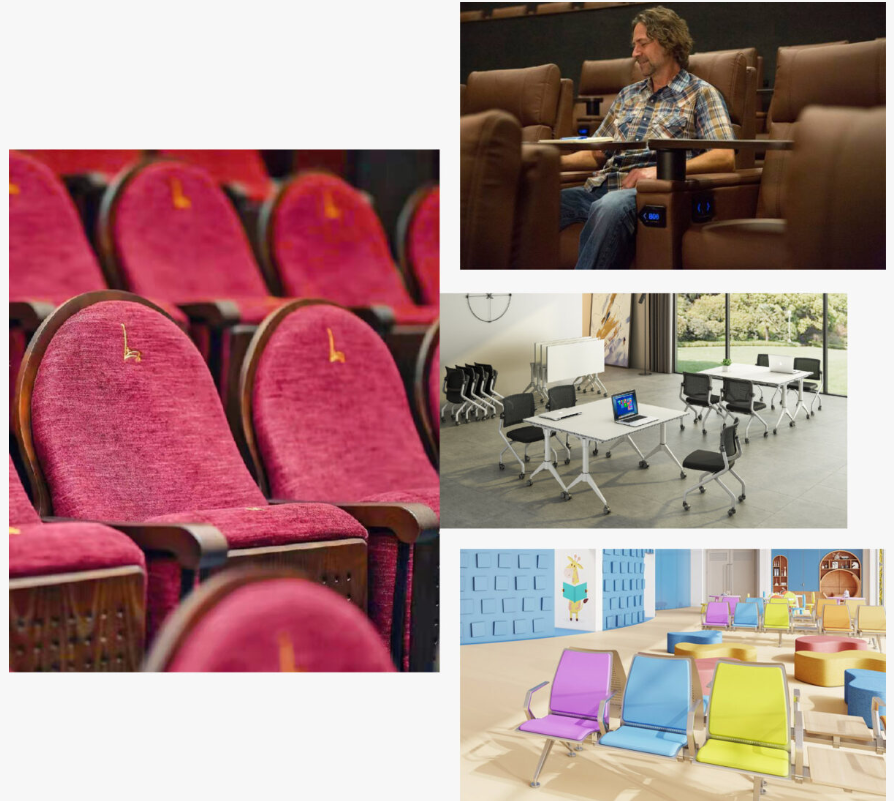
Comparative insight: retrofit seating versus new-build layouts
Choosing between a retrofit and a new-build seating plan is less aesthetic debate than systems engineering. In a community college retrofit I worked on, replacing old benches with modern auditorium seating lowered student complaints and improved sightlines within weeks — a clear, measurable win. That project also introduced new lecture hall seats, which changed seat pitch and riser height calculations and reduced obstructed views. Comparing options side-by-side highlights trade-offs: retrofit often conserves embodied carbon but forces compromises in sightlines and aisle width; new-builds allow ideal ergonomic foam profiles and fully integrated acoustic absorption but cost more up front.
Performance priorities that guide design
Start with three measurable targets: visibility, comfort, and safety. Visibility depends on calculated sightlines and riser height; a two-inch change in riser can alter sight clearance across an entire row. Comfort maps to seat pitch, upholstery density, and armrest ergonomics; choose materials that balance durability and breathability. Safety covers aisle width and ADA compliance plus fire-rated materials. Acoustic absorption should be specified early—seating backs and under-seat panels alter reverberation more than you’d expect. These are engineering parameters, not decorative afterthoughts.
Lifecycle, materials, and sustainable choices
Materials matter for total cost of ownership. High-grade upholstery with replaceable panels extends service life and reduces landfill waste. Choose foam with proven compression recovery so the seat profile stays consistent after heavy use. Consider modular frames that ease maintenance; swapping a worn seat is faster than replacing rows. Lifecycle thinking also ties into energy: lightweight, recyclable frames reduce transport emissions and contribute to interior sustainability goals. LEED-style credits for durable interiors are a real operational benefit — they lower replacement cycles and service downtime.
Common mistakes and practical alternatives
Design errors are predictable. Too-narrow seat pitch creates churn and dissatisfaction. Ignoring sightlines for cheaper seats produces sight-blocking pillars of unhappy attendees. Over-specifying plush upholstery in high-traffic auditoriums increases maintenance work. A few practical alternatives work well:
– Telescopic or retractable seating for multi-use halls that need quick turnover.
– Fixed seating with modular cushions for lecture-heavy rooms where acoustic absorption and durability matter.
– Hybrid layouts combining a shallow rake in front with steeper rear risers to balance intimacy and visibility.
These choices change cleaning schedules and replacement planning, so document maintenance intervals up front — a small operational detail that saves budget later.
Comparative outcomes: what each path delivers
New-build schemes typically deliver ideal sightlines, optimized acoustic absorption, and a cleaner installation of cabling and power. Retrofits deliver lower embodied carbon and faster schedules but may require compromises in seat pitch or aisle width. Operationally, convertible designs (retractable stands) offer the best flexibility for venues that host both performances and lectures. Measure results with occupancy comfort surveys, maintenance hours per month, and complaint trends — those metrics reveal true ROI faster than initial cost comparisons.
Three golden rules for selecting seating
1) Prioritize measurable sightline performance first — define clear sightline targets and verify them in CAD before buying. This prevents rework and maintains audience engagement.
2) Specify materials for lifecycle service, not short-term appearance — choose upholstery, ergonomic foam, and frames with documented compression and wear data to reduce long-term replacement costs.
3) Validate accessibility and safety with real-world testing — confirm ADA compliance, aisle width, and egress timing under realistic loads; simulated evacuations are worth the time.
These rules summarize how seating choices translate to fewer service calls, better acoustics, and consistent comfort. For venues seeking proven product lines and design support, leadcom seating folds these engineering priorities into real installations. Practical, tested, human-centered. Final note: small choices add up.