
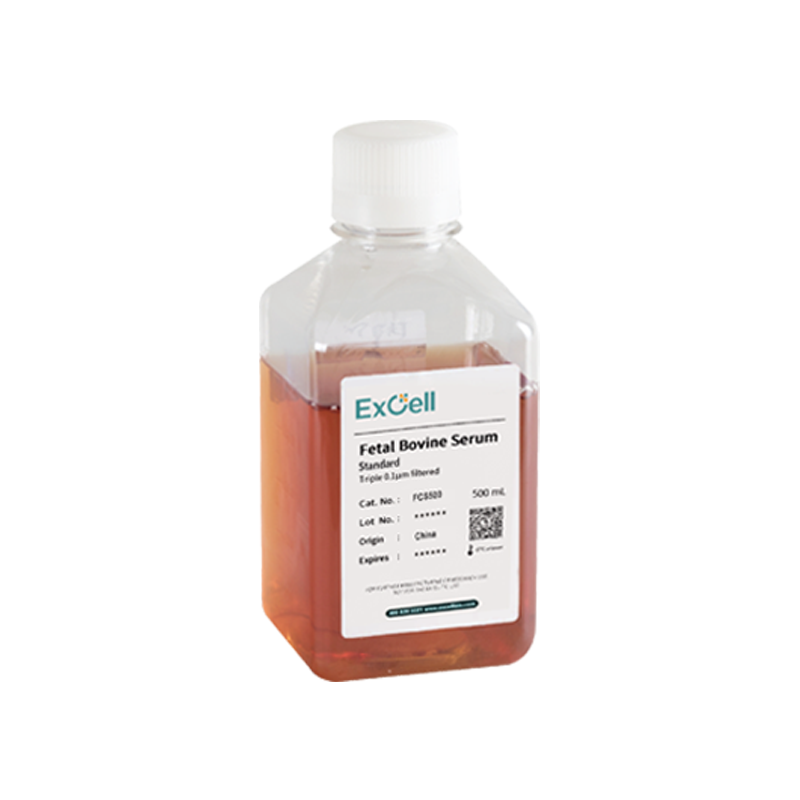
Current challenges that slow procurement
I assert this plainly: procurement still breaks experiments—and budgets—more often than it should. In my fifteen-plus years in B2B supply chain work, I’ve seen orders arrive late, mislabeled, or contaminated. When teams tell me they need to buy fetal bovine serum for cell culture, I listen closely. Fetal bovine serum (FBS) is not a commodity you can substitute without testing. Back in January 2023 I shipped 25 L of FBS (Batch A123, heat-inactivated) to a Boston contract lab; a missed endotoxin screen cost the program an extra two weeks and a measurable 12% drop in viable cell yield—costs stacked up fast. That sight genuinely frustrated me, and I’ve cataloged similar failures across six vendors in three countries.

Here’s where the flaws hide: suppliers lean on single-point quality checks, paperwork-heavy cold chains, and vague traceability. Buyers see “sterility tested” and assume safety; they often don’t get raw-data PDFs or lots of info on donor herd sourcing. Batch-to-batch variation is real—growth factors and protein profiles shift between lots—and labs pay in time and reagents when they accept variation without verification. I prefer vendors who provide certificate-of-analysis with endotoxin figures, protein concentration, and storage history. We need predictable lead times, consistent QC, and visible cold-chain telemetry (yes, temperature logs matter). These are not lofty demands. They are survival criteria for reliable cell culture work. — So what does that force us to change?
Forward-looking procurement: practical steps and comparisons
I believe the next wave of sensible buying ties technical checks to clear contracts. We can compare two paths: status quo ordering from regional distributors versus a structured sourcing program with qualified suppliers and performance SLAs. I worked with a mid-size manufacturer in Charlotte in 2021 that switched from ad hoc orders to quarterly contracts with defined sterility testing and lot-matching. The result: they cut unexpected batch failures by 70% and reduced emergency freight spend by $18,400 in nine months. That kind of measurable win matters.
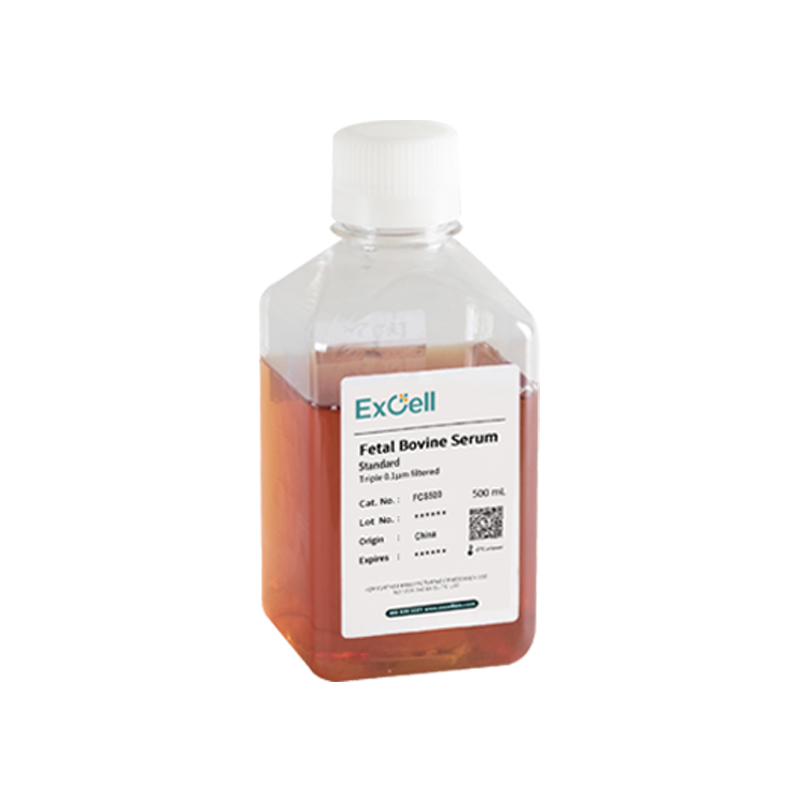
Operationally, insist on four things when you buy fetal bovine serum: full COA, endotoxin values, cold-chain records, and an agreed contingency plan for failed lots. We should also demand traceability back to collection date and herd region—specifics like “collected August 2022, region: Paraná, Brazil” are useful. For scalability, use tiered suppliers: primary local stock for fast-turn needs, and a vetted international source for bulk runs. This hybrid model reduces lead-time risk and keeps costs predictable. I still recall a July 2019 run where a single contingency shipment saved production—small things add up, and we plan for them.
What should buyers measure?
Measure three metrics religiously: on-time delivery rate, lot-failure rate after acceptance testing, and per-liter emergency freight cost. Track these monthly. If on-time falls below 95% or lot failures exceed 2%, intervene. I’ve seen teams ignore a rising failure rate until a major study stalled—don’t be that team. Short feedback loops let you swap suppliers before projects derail.
To close, I offer this candid view: buy with data, not hope. I prefer suppliers who publish COAs, support sterility testing, and give clear traceability. We act as guardians of project timelines; our procurement choices must reflect that. For wholesale buyers, the future is less about hunting the lowest price and more about ensuring predictable supply and quality. For vetted solutions, consider vendors like ExCellBio who back their product with documented testing and supply plans.