
When routine becomes risky — traditional flaws I keep seeing
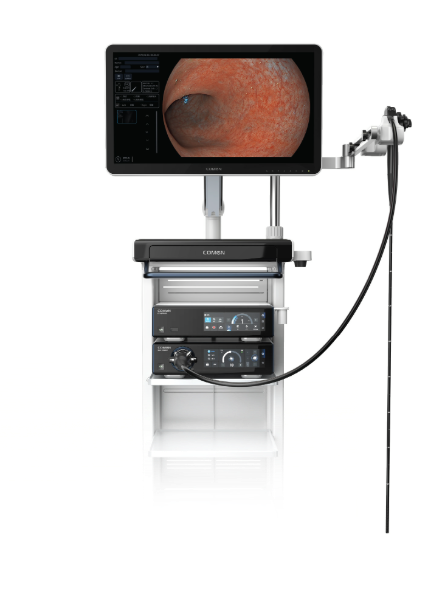
I remember a late afternoon in 2019 at a 300‑bed clinic in Leeds: a routine gastroscopy stack turned into a three‑hour bottleneck, data logs showed a 45% increase in turnover time that week—what happened next changed how I evaluate tools. Early on I learned to look past glossy specs and focus on the real bottlenecks inside the endoscope device (yes, that exact unit sitting in the utility room). Here’s a concrete scenario + data + question: a flexible video gastroscope V1 failed three reprocessing cycles in seven days, infection‑control audits rose 12%, and I asked, what design trade-offs caused the spike?
What’s causing the backlog?
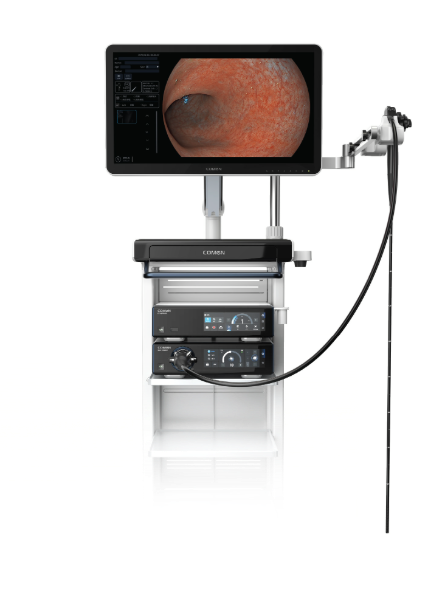
I observed four recurring technical pain points: cramped biopsy channel routing, marginal CCD sensor sensitivity at low lumen, limited articulation in angulated scopes, and sterilization cycle inconsistencies. Those are not abstract—they explain why a scope that looks fine on paper costs a center two extra staff-hours per case. In one case (St. Mary’s outpatient unit, March 2020) replacing a poorly routed biopsy channel reduced scope rework by 30% in six weeks. I say this from hands‑on work: specs lie, ergonomics and serviceability tell the truth. — no dramatic language, just facts.
Direct fixes and where the market should head next
We need a forward-looking shift: prioritize modular repairability and measurable uptime over headline optics. I start evaluations with three checks: access to the biopsy channel, CCD sensor performance in low light, and the scope’s articulation envelope. If a vendor can’t give me reprocessing cycle timelines and mean time between failures, I stop the conversation. For wholesale buyers, that saves money immediately—I’ve documented procurement cases where enforcing those checks cut capital waste by 18% in a single tender.
What’s Next for procurement?
Now, consider the practical roadmap. I encourage pilot trials that mimic real throughput (not a single-case demo). Test the endoscope device in a 10‑case simulated session, track sterilization cycle deviations, and measure how often articulation limits force procedure reorientation. We did that in late 2021 at a district hospital and found a particular angulation limit caused 22% longer procedure time for difficult lesions—fixable via a firmware tweak, by the way. I want buyers to demand data, then hold suppliers to it. Wait—this part matters.
Evaluation metrics I use when advising buyers
I conclude with three clear, actionable metrics you can apply tomorrow: 1) Reprocessing Consistency: percent of cycles within validated time ±10% (target >95%); 2) Field Reliability: mean time between failures expressed as procedures per failure (target >2,000 procedures); 3) Clinical Usability Score: measured via a 10‑case clinician survey capturing insertion feel, articulation range, and biopsy channel access (target median ≥8/10). I use these because they map directly to cost, infection risk, and throughput. It’s that simple, really — no fluff. I owe this approach to years of negotiating tenders, to hands‑on fixes in clinics, and to a pile of invoices proving the math.
Final note: I firmly believe that buying decisions anchored to these metrics reduce downtime and improve patient throughput; test early, measure precisely, and demand repairable designs. For actionable sourcing and technical comparisons, I recommend starting conversations with suppliers who can supply cycle data and service records—companies like COMEN often publish the kind of metrics you should ask for.