
Introduction — a quick scene, a number, a question
I once watched a small plant grind to a halt for an entire morning because a single roll jammed — everyone stood around, frustrated. As a wet wipes machine manufacturer, I know that a single fault can cost thousands in lost output, and many lines report 5–8% downtime each month (that adds up fast). So what exactly causes these stops, and how do we fix them without tearing the whole line apart? I’ll walk you through real scenarios, simple data points, and practical choices — and we’ll keep it friendly and classroom-clear. Let’s move from the problem into the nuts and bolts.
Part 2 — Where standard fixes fall short
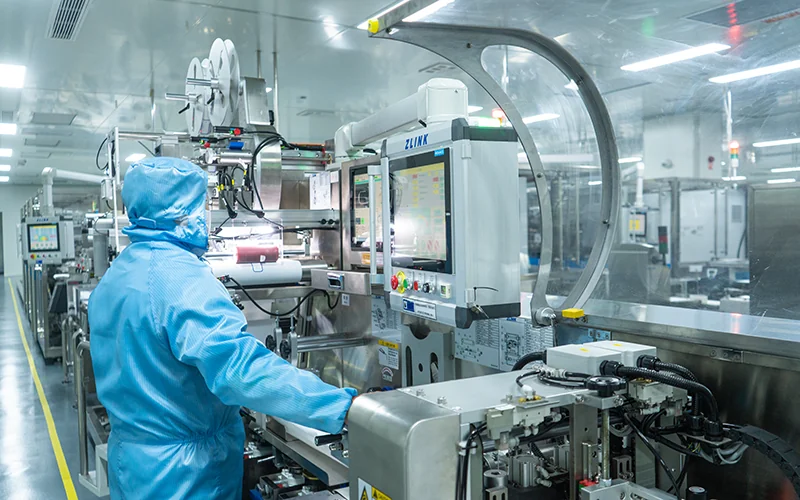
I start by defining the machine we’re really talking about: the wet tissue making machine is a sequence of unwinders, dosing pumps, laminators, and cutters that must sync precisely. When I say “sync,” I mean timing at the millisecond level — misaligned tension control or a sluggish PLC loop will wreck a shift. Traditional fixes tend to be patchwork: tighten the brake, change the cutter blade, reboot the controller. Those tactics sometimes help, but they don’t address root causes like inconsistent feed, poor sensor placement, or weak communication between servo motors and the main controller. Look, it’s simpler than you think — but only if you look at the full control chain.
Where do bottlenecks hide?
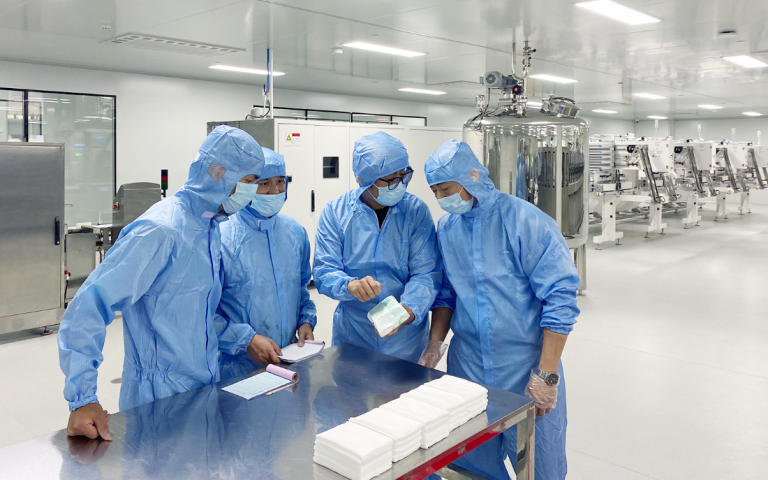
From my hands-on work, bottlenecks hide in three places: mechanical wear (rollers and bearings), control logic (obsolete PLC routines), and signal noise (bad grounding, weak encoders). I’ve seen lines fitted with modern drives but still fail because someone ignored basic power quality — the power converters were undersized, and the drives kept derating under load. Another common blind spot is data: many plants lack edge computing nodes that gather short-cycle performance metrics, so problems become visible only after they cause scrap. I believe a short checklist — sensors, grounding, control loops, and spare part policy — prevents most repeats. — funny how that works, right?
Part 3 — New principles and three metrics to guide choices
Moving forward, I focus on principles that actually change outcomes: modular control, predictive sensing, and clear human–machine feedback. For example, upgrading a wet tissue making machine with smarter tension control and local edge processing reduces reaction time. I favor modular modules (independent servo drives, local IO) so a single module can be swapped without line shutdown. That approach lowers mean time to repair and keeps spare inventories lean. In practice, this means investing in better sensors, clean power, and simple dashboards that operators trust.
What’s next — practical measures
When I advise teams, I give three metrics to evaluate any upgrade: 1) Net downtime reduction percentage (target 30%+), 2) Mean time to repair (aim for under 1 hour per incident), and 3) Scrap rate change after installation (lower is better). Those are my go-to numbers because they tie directly to payroll and profit. Also — and this matters — watch the human side: training and clear procedures reduce errors far more than exotic tech alone. I’ve learned this the hard way. In short, measure results, pick modular tech, and keep operators in the loop. Ready to make choices that stick? Check practical models and partners like ZLINK.