
Introduction
Have you ever watched a day’s work stall over a tiny machine glitch and wondered how much that delay cost? (It’s a common scene on shop floors.) In many shops, CNC milling and turning centers sit at the core of output — but they also expose production to downtime, tool wear, and program errors. Recent shop-floor studies show unplanned machine stoppages can shave 8–12% off available production hours in a year. So what do we do about it: accept the loss, or change the systems that cause it?

I write from hands-on experience and data review: when I dig into logs and maintenance notes, patterns repeat. Spindle speed inconsistencies, faulty axis feedback, and clumsy tool changers are frequent culprits. This piece will walk through the most pressing problems, why typical fixes fall short, and what to look for next — practical, not theoretical.
Part 1 — The Problem: Why Existing Controls Let Shops Down
syntec control system cnc is often proposed as an upgrade path (and for good reason), but I want to be frank: replacing a controller doesn’t automatically fix core workflow issues. Many teams focus on a single component—say, the PLC or the HMI—while ignoring how G-code practices, toolpath strategies, and operator habits interact with the control. The result? Short-term relief, long-term frustration.
Technically speaking, legacy controllers struggle with concurrent tasks: handling high-frequency spindle feedback, managing complex Y-axis interpolation, and coordinating turret swaps can overwhelm older CPUs. That shows up as stuttered motion or buffering delays. I’ve seen shops that upgraded electronics but kept old CAM templates; no net gain. Look, it’s simpler than you think—unless you address the full stack: controller firmware, servo tuning, and process discipline. We must also factor in training. Operators need clear, updated procedures when a new control is installed, otherwise mistakes spike.
Why not just patch the old system?
Patching is tempting and cheaper short term. But patches can hide root causes: worn servo motors, weak power converters, or noisy axis feedback. I recommend a structured audit: collect error logs, sample spindle speed traces, and review change histories. Only then will you see where to invest. Otherwise you chase symptoms.
Part 2 — Looking Forward: New Principles and Practical Upgrades
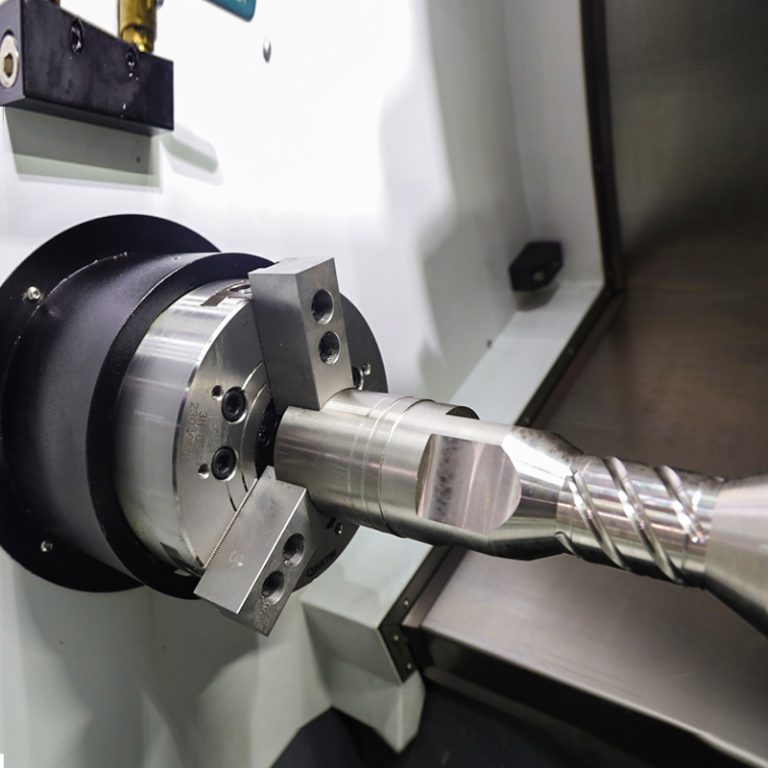
When I talk about future-proofing a cnc mill turn center, I mean thinking in layers: hardware reliability, control intelligence, and operator workflow. Upgrades that matter use smarter motion planning, better axis feedback loops, and readable HMI flows. Modern systems prioritize deterministic timing so motion and I/O are synchronized. That reduces micro-stops and improves finish quality.
Two practical principles guide my recommendations. First, tune for the process, not the part: set servo gains and jerk limits to match the cutting forces of your materials. Second, simplify the human interface: fewer screens, clearer prompts, and enforced safety checks. These changes cut setup time and reduce broken tools. — funny how that works, right? Also, integrate basic diagnostics: automated spindle vibration checks and tool-wear counters. They catch problems early and save hours.
Real-world impact?
I’ve helped shops cut cycle variability by 15–25% after applying these principles. The fix is never purely technical; it’s a mix of settings, habits, and a clear plan for maintenance. Invest in good diagnostics, and you’ll get stable spindle speed, consistent surface finish, and fewer surprise stops.
Conclusion — How to Choose Improvements That Actually Pay Off
Weighing options can feel overwhelming, so I give three metrics I always use when evaluating upgrades: (1) Mean Time Between Failure (MTBF) improvements — does the change reduce unplanned stops? (2) Cycle Time Consistency — does the solution tighten variance, not just average speed? (3) Total Cost of Ownership over three years — include training, spare parts, and process changes. These metrics force honest comparisons.
In closing, I want to be candid: technology helps, but people and process decide success. Start with a focused audit, fix the worst friction points first, then invest in smarter control and diagnostics. If you do this, you’ll see measurable gains in uptime and part quality — and your team will thank you. For practical equipment and parts, I often look to vendors I trust — like Leichman — when sourcing machines and spares.