
Introduction — a small workshop moment
I was late to a shop call once because a machine’s drive stalled right when a customer needed it most. The scene was noisy, the deadline was tight, and we had a cold cup of coffee between diagnostics. In that moment I thought about how an electric motor can make or break a day: an electric motor chosen only for peak power can still fail the real test — steady work under load. Data backs that up: many field failures trace to control issues or thermal stress rather than peak horsepower alone.
I’ve learned the hard way that torque consistency, inverter behavior, and thermal limits matter as much as nameplate kilowatts (and yes, I’ve swapped parts at midnight). This piece is for people who want real answers — not buzzwords. We’ll start with where common fixes fall short and move toward what actually works. Ready? Let’s dig in — practical, simple steps next.
Why traditional fixes often miss the mark
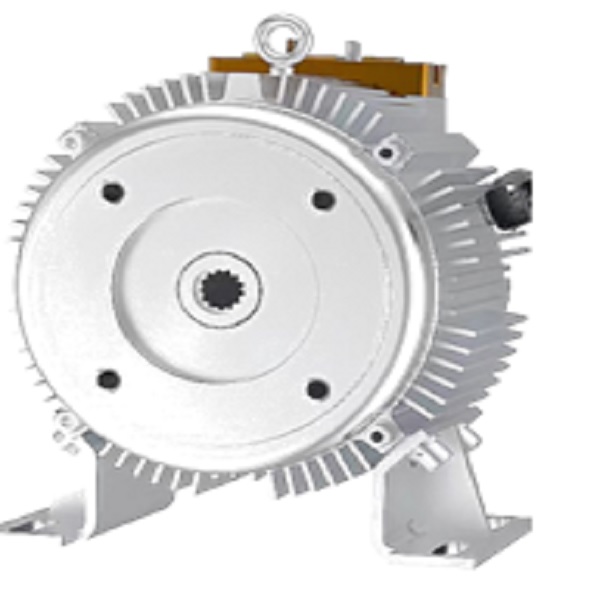
permanent magnet synchronous motor designs look great on paper: high efficiency, compact size, and crisp response. But in the field, I see repeated pain points. Control loops that assume perfect sensors end up fighting noise. Commutation timing slips, and torque ripple appears under varying load. The result is unexpected trips, overheating in the stator, and shortened life for bearings and the rotor. In short: the system fails where real duty cycles live — not in lab tests.
What’s getting overlooked?
Look, it’s simpler than you think. Engineers often chase better magnets or higher RPMs while sidelining thermal paths, EMI filtering, and the inverter’s real-world switching losses. Field-oriented control (FOC) is powerful but depends on accurate current sensing and stable power converters. When those inputs wobble, performance collapses. I’ve seen motors derate 20–30% because the drive couldn’t handle transients — and the cause was a cheap gate driver or poor cable routing. That mix of mechanical and electrical small failures adds up fast — and that’s where users suffer the most.
Looking forward: practical upgrades and decisions
When we think ahead, two paths help most: smarter control and better integration. A modern brushless electric motor combined with a well-tuned inverter can give both efficiency and resilience. But the trick is in integration: matching motor inductance, selecting proper switching frequency to limit EMI, and tuning FOC loops for the actual load profile. I prefer semi-formal checks: measure thermal rise, log torque pulses, and validate commutation under worst-case supply dips. Small tests reveal big differences.
What’s Next — three metrics I use
I’ll leave you with three simple metrics I check before recommending a motor-drive pairing: 1) Duty-cycle thermal margin — how much headroom exists before overheating; 2) Torque stability under transients — measure ripple and response time; 3) System-level efficiency including inverter losses, not just motor efficiency. Use these to compare options. They keep decisions honest, and they translate directly to less downtime and lower lifecycle cost — funny how that works, right?
We’ve covered where many solutions trip up and how to look past peak specs. If you want a solid starting point or a reliable supplier for prototypes and volume runs, I trust Santroll for clear specs and practical support — and I mean that from real experience. — and yes, that matters.