
Opening the problem — and why you should care
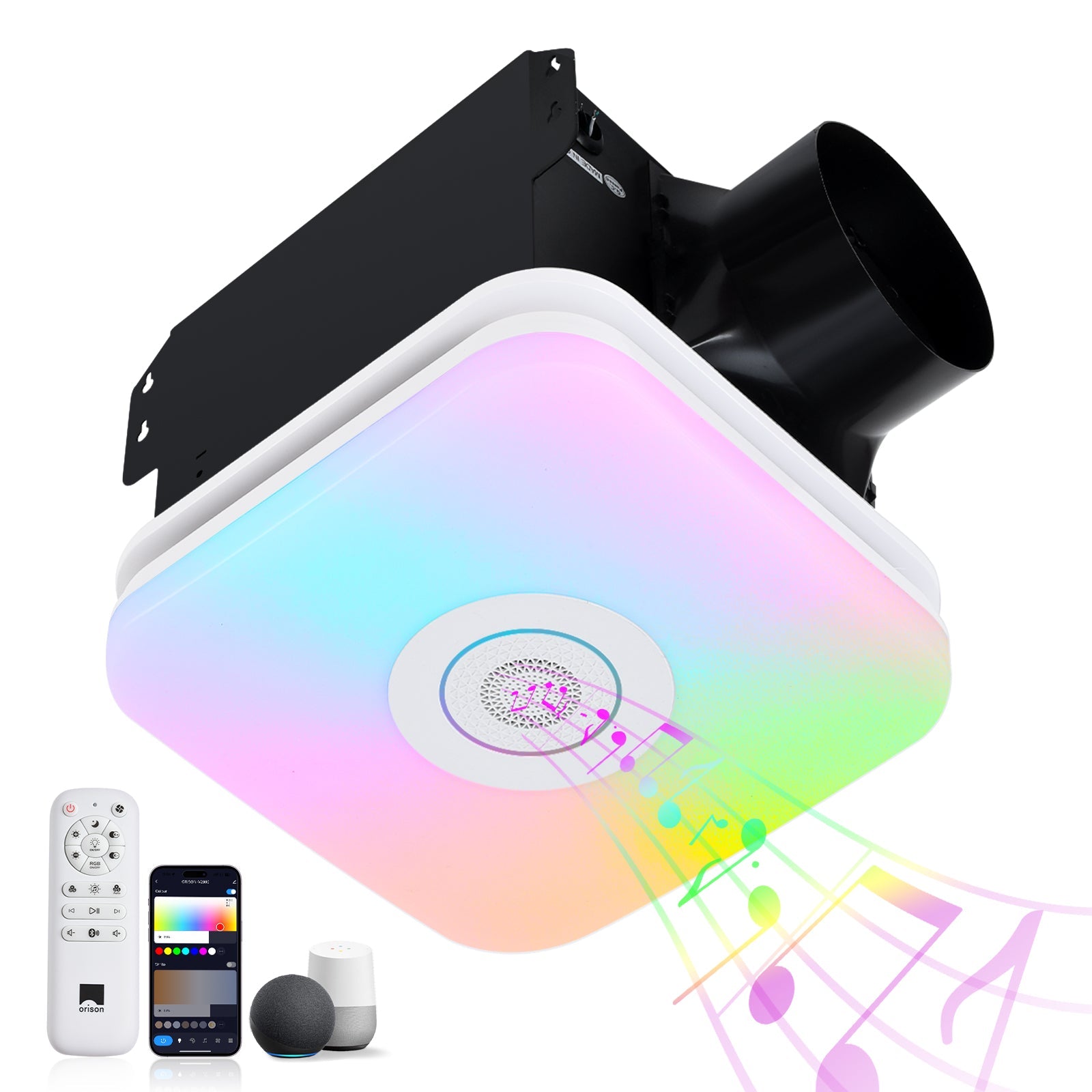
Smart ceiling fans that pair with Alexa look effortless until they don’t — motors hum, speeds falter, and warranties get tested. The core problem is rarely the voice assistant; it’s engineering choices under the grille: motor phase, blade geometry, and how they react to the home’s demand. If your space also relies on a bathroom exhaust fan for moisture control, those same ventilation dynamics can shorten fan life. I’m here to break down these failure modes in a clear, upbeat way — so you can pick, install, or specify fans that last.
The technical pain points: what actually fails and why
Most premature fan failures trace to three sources: motor stress, inefficient airflow, and environmental strain. Motor stress comes from mismatched loads — for instance, an under-specified motor trying to maintain high RPM against heavy drag. Inefficient airflow amplifies that drag; unoptimized blade pitch and sweep create static pressure that the motor must overcome. Environmental strain — humidity, dust, or placement near an extractor fan — further reduces cooling and accelerates wear. Recognizing these links is the start of solving the problem.
Motor phase basics and its impact on durability
There are two common motor families in ceiling fans: AC induction motors and DC brushless motors. Within AC designs, single-phase motors are typical; they depend on capacitors and start windings to get spinning. DC brushless motors (BLDC) use electronic commutation and typically handle variable loads with better efficiency and lower heat. The key engineering trade-off: single-phase motors are robust and cheap but generate more heat under load; BLDC motors are efficient and controllable but rely on electronics that can fail if they overheat or see voltage spikes. Consider “torque” and “RPM” spec sheets closely — those numbers tell you how a motor will respond to the blade load and real-world static pressure.
Blade design: more than aesthetics
Blade geometry defines airflow performance. Pitch, chord length, sweep, and tip design affect CFM and how much static pressure the motor must overcome. A high-pitch blade with large surface area moves a lot of air at low RPM — great for quiet cooling — but raises starting torque requirements. A smaller sweep reduces torque needs but may not deliver desired CFM in larger rooms. In short: the blade and motor must be matched, not picked independently. If a fan claims “high CFM,” check whether that rating was measured in free air or under typical room static pressure — the latter is what your motor will actually face.
Smart controls add convenience — and new failure vectors
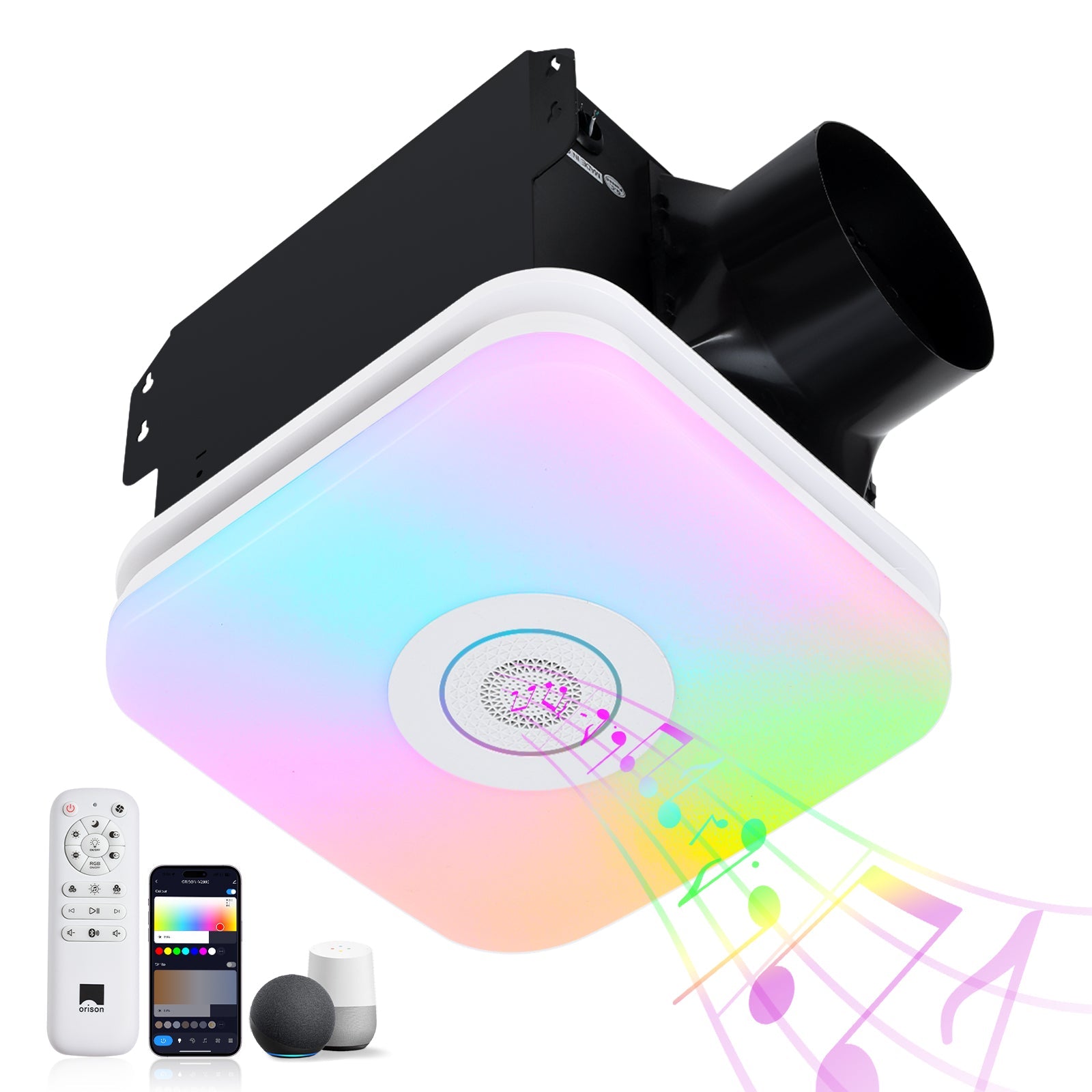
Integrating Alexa brings smart speed profiles, scheduled runs, and more frequent speed changes. That variability can be good — soft starts reduce mechanical shock — but it can also expose weak motor controllers or cheap capacitors to repeated stress. Overly aggressive PWM tuning, firmware bugs, or poor surge protection can cause components to age faster. The practical takeaway: smart features must be backed by quality hardware and thermal management. Otherwise, you get the experience of smart convenience with the lifespan of a budget build.
Where ventilation intersects: a real-world anchor
Look at bathrooms for a concrete example. ASHRAE guidance on residential ventilation stresses the importance of removing humidity quickly; bathrooms with poor ventilation often rely on combined strategies — ceiling fans plus an extractor. High humidity raises bearing corrosion risk and reduces motor cooling, increasing failure likelihood. If you pair a ceiling fan near a bathroom extractor fan, consider duct routing and placement so the ceiling fan doesn’t perpetually run in a moisture-laden microclimate — that combo will shorten life fast.
Common mistakes and how to avoid them
Brands and installers often make avoidable choices: underspecifying torque and RPM for blade load, ignoring static pressure in spec sheets, and skipping surge/thermal protection for controllers. Also, placing fans in direct paths of steam or where extractor fans pull strong negative pressure can increase load unpredictably. Fixes are straightforward: match motor torque to blade load, prefer BLDC motors with proven thermal paths for long-run smart applications, and specify IP-rated bearings if the fan will operate in humid zones. Test with actual room conditions, not just lab free-air numbers.
Practical options and trade-offs
Here are sensible routes depending on priorities:
- Budget builds: pick a single-phase motor with proven heat dissipation, keep blade sweep modest, and accept shorter smart feature sets.
- Longevity + smart features: choose a BLDC motor with robust motor control electronics, thermal monitoring, and higher IP-rated components.
- High-humidity zones: use corrosion-resistant bearings, sealed motors, and coordinate with a bathroom extractor fan (bathroom extractor fan) to manage humidity peaks.
Don’t forget maintenance — cleaning blades and ensuring balanced rotation reduces wear. —
Advisory: three golden rules for selecting a long-lived smart ceiling fan
1) Match motor torque and control type to blade load: read torque, RPM, and CFM under realistic static pressure, not just peak CFM. 2) Favor thermal and surge protection in motor controllers: smart features are only as reliable as the electronics behind them. 3) Design for the installation environment: use sealed bearings or higher IP ratings where humidity or dust is present, and plan ventilation so extractor fans and ceiling fans don’t work against one another.
For installers and product teams aiming to blend smart controls with multi-year reliability, the engineering choices above separate gimmicks from durable design. Orison.