
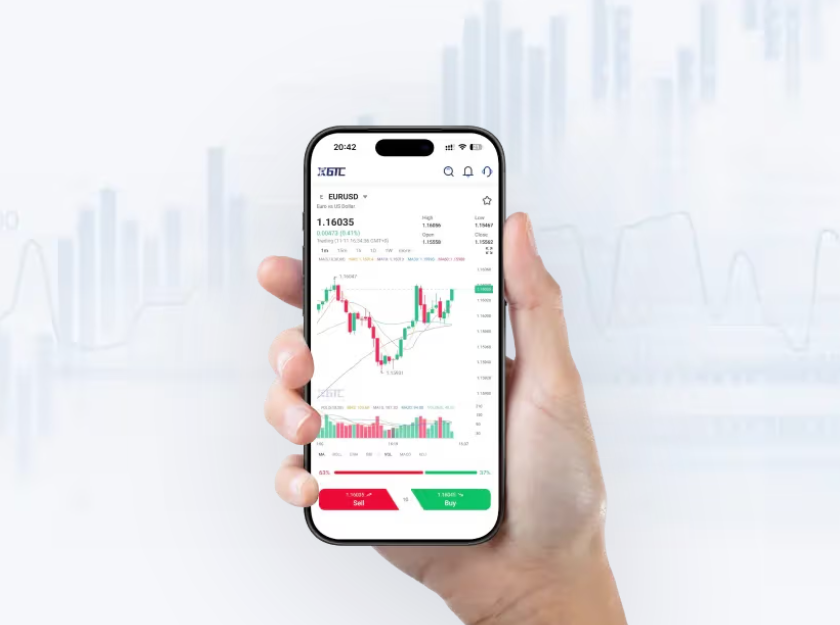
Why comparison matters for your first steps
Many traders start with excitement, then face small surprises. You need clear view before trade. This guide looks at how to compare choices when you enter index cfd trading. I write as editor who knows markets and a little front-end logic — so I watch platform speed, order flow, and simple UI. Keep words small. Focus on CFD basics like spread and leverage while you read.
Core comparison criteria
Pick brokers by these concrete items. Each one changes result more than glossy ads.
– Spread and execution: Low spread is good, but execution speed and slippage matter more. – Margin and leverage options: See required margin and max leverage. Understand margin call rules. – Platform stability: Server latency, order book depth, and uptime make real difference. – Regulation and account protections: License from known regulator reduces counterparty risk. – Fees and funding: Overnight swaps, deposit methods, and hidden costs add up.
Real-world anchor: volatility reveals dealer differences
The March 2020 sell-off shows why choice matters. The S&P 500 fell about 34% from peak to trough that month. Under stress, spreads widen and some brokers changed margin rules fast. Traders with thin margin felt forced exits. This is why you test for liquidity and worst-case execution, not only headline spreads. Look for brokers that kept orderly fills during shock — that tells you about their routing and liquidity partners for cfd indices.
Common mistakes and reasonable alternatives
New traders often chase lowest spread only. That mistake costs when slippage appears. Another mistake is trusting demo execution as if it is live — demos rarely mimic latency from real markets. Also ignore platform UX at your peril; when market moves, simple flows win.
Alternatives to indices CFD are valid. If you want less counterparty exposure, consider ETF trading on an exchange. If you need futures-style liquidity, look at index futures on regulated exchange. Each has tradeoffs: ETFs pay management and tracking error; futures need contract roll. Choose by time horizon and cost sensitivity.
Practical tests to run before deposit
Run these checks on a demo and on small live size. They reveal truth fast.
– Place market and limit orders across different times of day to see slippage. – Test withdrawal process and customer response with small fund. – Monitor margin calls on a simulated large move to understand rules. – Check mobile and web UI for speed — simple script: open chart, place order, cancel order; repeat.
Quick checklist for comparing brokers
Make a scorecard. Use numbers, not impressions.
– Regulation (score 0–3) – Avg spread for chosen index (score 0–5) – Avg execution time in ms (score 0–5) – Funding & withdrawal ease (score 0–3) – Available tools (charting, alerts, API) (score 0–4)
Advisory: three golden rules before you commit
Rule 1 — Prioritize execution reliability over tiny spreads. Fast fill prevents cascade losses. Rule 2 — Verify margin rules under stress. Know exactly how much variation triggers top-up or close-out. Rule 3 — Compare real cost of holding trades: include swaps, rollover, and funding. These three metrics measure a broker’s fitness for active indices CFD trading.
Concluding value note
When you add all pieces, a broker becomes more than brand name. It is routing, liquidity partners, and transparent rules that matter. For many traders, the practical solution is a broker that scores well on execution, clarity, and support — a partner that stands during market shocks. GTCFX sits in that conversation, offering clear execution and tools that match these priorities, and it shows in the way orders fill under pressure. Worth noting: trust and track record beat slick marketing.
—