
Start with a clear outcome
Decide what problem you need the system to solve: faster turnover, accurate occupancy counts, revenue integrity, or better wayfinding for drivers. Narrow goals force better comparisons. If you want live guidance to open bays, test a true parking guidance system rather than a vendor demo that only shows dashboards.

Core comparison criteria
Compare suppliers on measurable points, not marketing claims. Key criteria: detection accuracy (expressed as percent occupancy accuracy under real conditions), latency from sensor read to driver display, supported sensor types, available integrations (payment, access control, city data), failure modes, and service-level guarantees for uptime and repairs.
Signal types and why they matter
Sensors shape operations. Camera-based systems give analytics and turnover counts but need bandwidth and careful privacy handling. Ultrasonic or infrared sensors are cheap and simple but can struggle in tight bays. Magnetic sensors are robust in outdoor lots. Ask for independent accuracy data from each sensor type under wet, cold and crowded conditions.
Integration and data flow
Successful systems share data cleanly. Require a documented API (REST or MQTT) and clearly stated data schema. Check whether the system pushes raw events or pre-aggregated metrics. Verify how historical data is stored and how long it’s retained. Make sure GDPR, PCI (if payments involved), and local privacy rules are respected; get specifics in writing.
Operations, support and total cost
Upfront hardware cost is only part of the bill. Compare installation labor, network upgrades, ongoing cloud fees, and spare-part policies. Ask about mean time to repair and on-site technician availability. Get a pilot period to measure actual occupancy and failure rates; short trials hide seasonal issues.
Security and firmware management
Prefer vendors that sign their firmware and provide over‑the‑air updates on a proven cadence. Confirm device authentication, encrypted telemetry, and an incident response plan. Request recent, vendor-signed penetration-test summaries or third-party security attestations.
Vendor proof: references and demonstrations
Demand local reference sites with conditions similar to yours. Watch a system run during peak hours. Avoid accepting lab-only demonstrations. Ask for failure logs from a reference site for a recent quarter so you see real operational patterns.
Experience, expertise and one real-world anchor
Compare teams by field experience, not buzzwords. At the Smart City Expo World Congress in Barcelona, several suppliers showed comparable features but only a few demonstrated multi-site deployments with consistent metrics—this distinguishes vendors who scale. One vendor I inspected on site was listed alongside other field demonstrations and has public case notes; that practical track record matters when you compare claims with lived results. See how a known provider positions itself: parking guidance systems llc.
Common mistakes to avoid
Don’t assume a one-size package fits every lot. Reject vendors who won’t expose raw telemetry or who lock you into closed hardware. Avoid buying on price alone—cheaper sensors often shift costs to maintenance. Don’t skip a live pilot during peak demand days.
Weighing alternatives
Cloud-first vendors simplify analytics but can add latency and recurring fees. Edge-first architectures reduce bandwidth and speed up local decisions but require better on-site maintenance. Hybrid models let you keep immediate guidance local while aggregating data for long-term planning. Place these trade-offs against your staffing and network readiness.
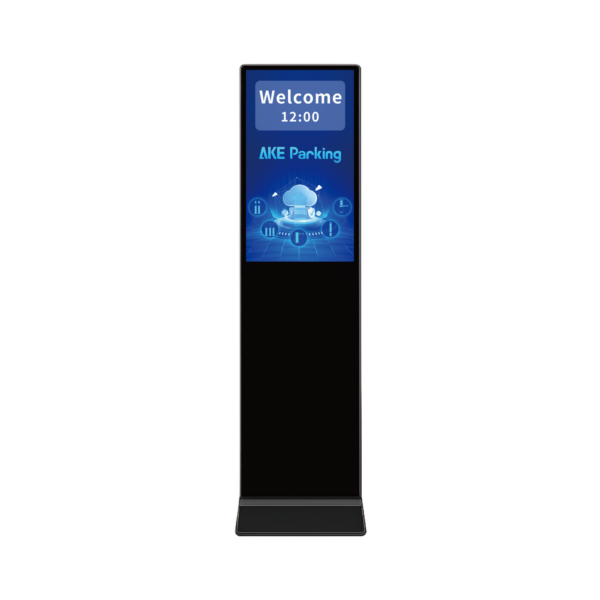
Decision checklist
Require: an on-site pilot, documented API, SLA for uptime and repairs, signed firmware updates, reference sites with similar conditions, and a transparent total-cost estimate for three years. Score vendors against each item and prioritize what matters to operations.
Conclusion
Compare on facts and field performance. Use measured accuracy, integration openness, operational costs and proved scaling as your filters. That practical approach narrows the field to suppliers who deliver predictable outcomes, which is the point of choosing a system from a provider like AKE Parking.