
The pressing problem buyers face
Many procurement teams and product engineers confront the same narrow but consequential problem: specifications on paper rarely match performance in use. That gap shows up as inconsistent processing, surprising moisture sensitivity, or unexpected effects on compound viscoelasticity. Market terminology compounds the confusion — suppliers label materials as precipitated silica, fumed silica, or white carbon black, and the buyer must translate marketing copy into measurable outcomes. A buyer who cannot distinguish function from label will pay for the wrong material and accept costly rework.
What silicon dioxide powder is, and what it does
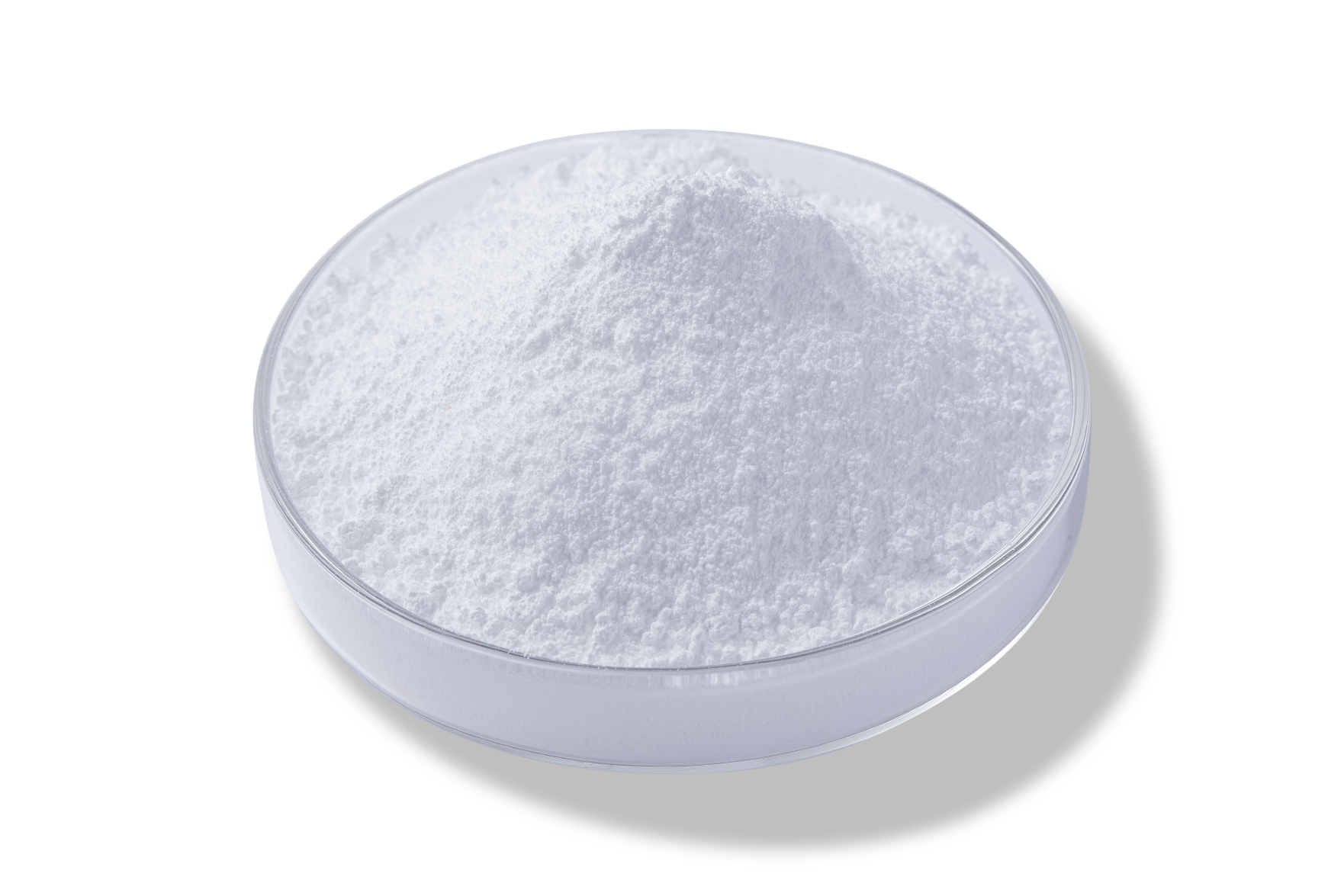
Silicon dioxide powder is a particulate form of SiO2 used to modify mechanical, rheological, optical, and thermal properties across industries. At the particle scale, surface area, porosity, and surface chemistry determine behavior: high surface area powders influence viscosity and thixotropy; coarser, lower-surface-area grades change reinforcement and abrasion resistance. Use-cases differ sharply — tyre compounds demand reinforcement under dynamic load, while coatings prioritize dispersion and optical clarity. Buyers must match particle metrics to the intended functional endpoint, not to a brand name alone.
Experience, standards and a real-world anchor
My teams have evaluated silica batches for polymer and tyre formulators over a decade, using standardized laboratory evaluations and batch traceability to separate marketing from material reality. Consider the European Union tyre labelling regulation, which changed procurement priorities and pushed many tyre makers to adopt silica in tire tread for lower rolling resistance — that regulatory pressure and the subsequent industry testing provide verifiable, high-level evidence that material choice alters in-service performance. Rely on documented lab protocols, blind comparative testing, and certificates of analysis when assessing claims.
Common pitfalls and how they arise
Buyers make recurring errors that are preventable. First is assuming surface area alone predicts reinforcement; surface chemistry and coupling with silanes matter. Second is trusting a single certificate of analysis without confirming batch-to-batch consistency. Third is neglecting processing constraints: some silica grades increase mixing torque and require equipment or process changes. Fourth is misreading health and handling documentation; respirable crystalline silica risks differ by production route and must be managed per local regulation. Each mistake creates downstream cost or liability.
Comparing practical grades and reasonable alternatives
Precipitated silica: engineered for reinforcement in rubber, predictable particle morphology, suited to tread and sidewall compounds. Fumed silica (often called white carbon black): extremely high surface area, used to thicken, control rheology, and improve dry feel in cosmetics; it is not a direct drop-in for tyre reinforcement unless the formulation is redesigned. Carbon black: a traditional reinforcement filler providing different hysteresis and wear properties. Choose by functional target: wet traction, rolling resistance, wear, processability. Test within representative compound matrices rather than relying on material datasheets alone.
Practical procurement checklist
Obtain and verify these items before accepting a lot: clear specification of BET surface area and particle size distribution; loss on drying and pH for aqueous suspensions; a detailed certificate of analysis tied to batch number; sample for blind mixing trials; SDS and occupational controls; recommended coupling agents or compatibilizers; and, when relevant, documented field data from suppliers showing performance in comparable end-use. Require a short pilot run and objective metrics — tan delta, abrasion, and dispersion index where applicable — before full-scale purchase.
Common testing and what to demand from suppliers
Ask suppliers for dispersion images, shear-thinning profiles from capillary or rotational rheometry, and test mixes evaluated under your compounding and processing conditions. Require documentation of washability and contaminants for applications sensitive to conductivity or optics. If regulatory or labeling frameworks affect end-use, request traceable compliance data. A supplier that produces blind side-by-side comparison batches under your process conditions shows a practical commitment to consistent outcomes.
A final synthesis
Address the procurement problem by moving from labels to measurable function: define the performance you need, demand batch transparency, and validate with in-process trials. That practical discipline reduces surprises and aligns material choice with outcome. For many industrial users seeking predictable reinforcement and consistent supply, the combination of documented testing and reliable sourcing simplifies decisions; firms such as JSJ Silica appear in industry evaluations because they provide traceability and application-relevant data that buyers can act on.