
Comparative thesis: one tool, three arguments
I argue that buying professional two-way radios is an exercise in trade-offs, not feature-collection. Choose wrong and you pay for redundant hardware or fragile networks; choose right and you get predictable communications under pressure. For many operations the middle ground — a hybrid device such as a dual mode poc radio — beats single-minded analog or pure cellular solutions because it delivers local push-to-talk resilience plus wide-area coverage. This piece compares options directly, pressures assumptions, and forces a decision based on practical priorities.
Core features, compared head-to-head
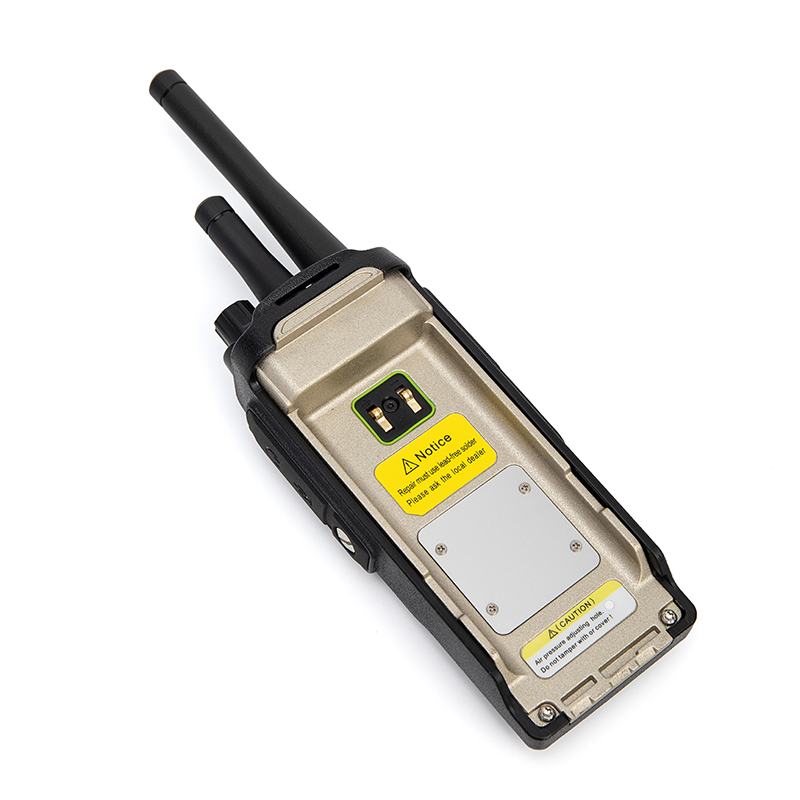
Analog radios: unmatched simplicity and battery life. They shine where coverage is local and ruggedness is mandatory, but they lack encryption, scalable group calling, and integration with backend systems. Digital (DMR/TETRA): better audio, spectrum efficiency, and security — but costlier infrastructure and longer procurement cycles. PoC (push-to-talk over cellular): instant global reach and features like location and multimedia, yet it depends on cellular networks and data plans. Dual-mode radios combine local radio links with LTE PoC failover. You gain redundancy; you accept complexity and slightly higher unit cost. The right choice maps to whether you value independence from public networks or broad reach and integrated services.
Where each approach wins in the field
Construction sites, event security, and campus operations often prefer analog or DMR: simple channels, low latency, predictable range. Logistics, multi-site retail, and municipal services lean to PoC for centralized dispatch and cross-site voice/data. Emergency response and utilities typically mandate redundancy: local radio for immediate coordination plus LTE-based fallback for extended reach and situational data. Pick the system category that matches actual operational patterns rather than perceived prestige.
Selection criteria that reveal hidden costs
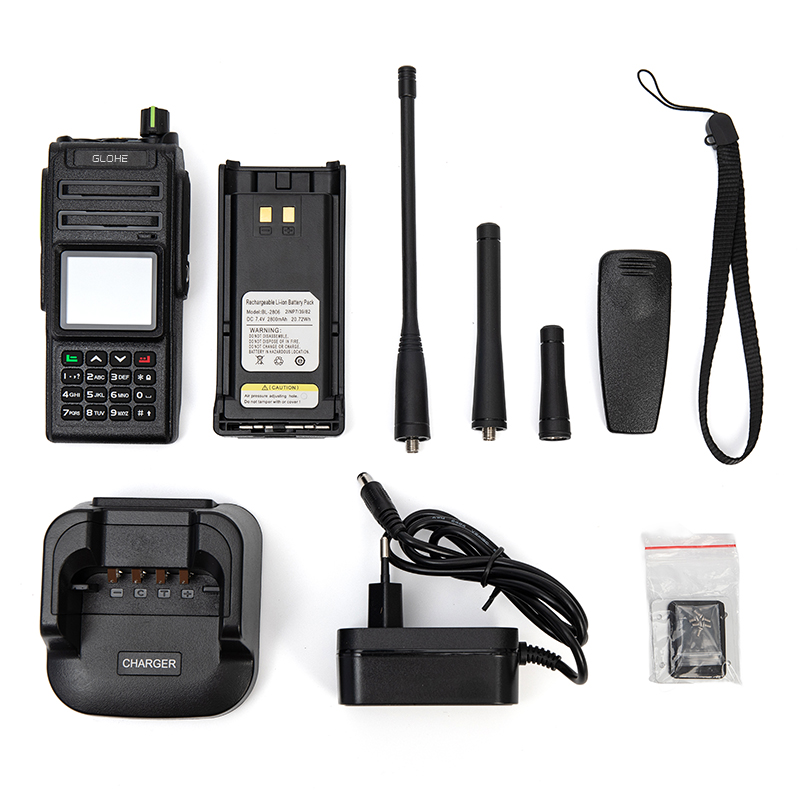
Prioritize these concrete factors: actual coverage maps vs. theoretical range, battery runtime under your duty cycle, interoperability with legacy fleets, encryption needs, and lifecycle support. Ask how firmware updates are delivered and who controls server infrastructure. Avoid decisions based on single-point demos: performance under load, group-call capacity, and failure modes reveal the costs you’ll pay in incidents. Budget for spare batteries, accessories, and a modest training plan; those are the recurring expenses most buyers underestimate.
Alternatives, trade-offs, and common mistakes
Some teams buy PoC to “modernize” but keep analog systems active, creating double maintenance. Others buy DMR expecting LTE features like live video or cloud logging without provisioning backend services. The common mistakes: undervaluing integration (dispatch consoles, GPS reporting), over-trusting single-network resilience, and ignoring radio ergonomics for real users. If you test devices, simulate network outages and noisy environments. Confirm a vendor’s update cadence and spare-parts availability before signing a purchase order.
Experience, authority, and a field anchor
Years of deployments show that hybrid strategies lower operational risk. Consider the communications challenges during Hurricane Maria in Puerto Rico (2017): responders that combined local radio nets with LTE-based links restored coordination faster than those relying solely on public cellular. That real-world outcome informs procurement choices today. For technical validation, compare devices against LTE standards and service reports; a robust 4g lte radio implementation is the practical differentiator between transient connectivity and sustained field operations.
Final synthesis
Stop treating radios as commodities and start treating them as mission tools. The best option aligns coverage, redundancy, and maintainability with clear operational needs. When teams evaluate options side-by-side — analog, digital, PoC, and hybrid — they consistently pick solutions that prioritize predictable performance and sensible lifecycle support. That practical balance is exactly what experienced buyers find reflected in the product lines from GLOHE.