
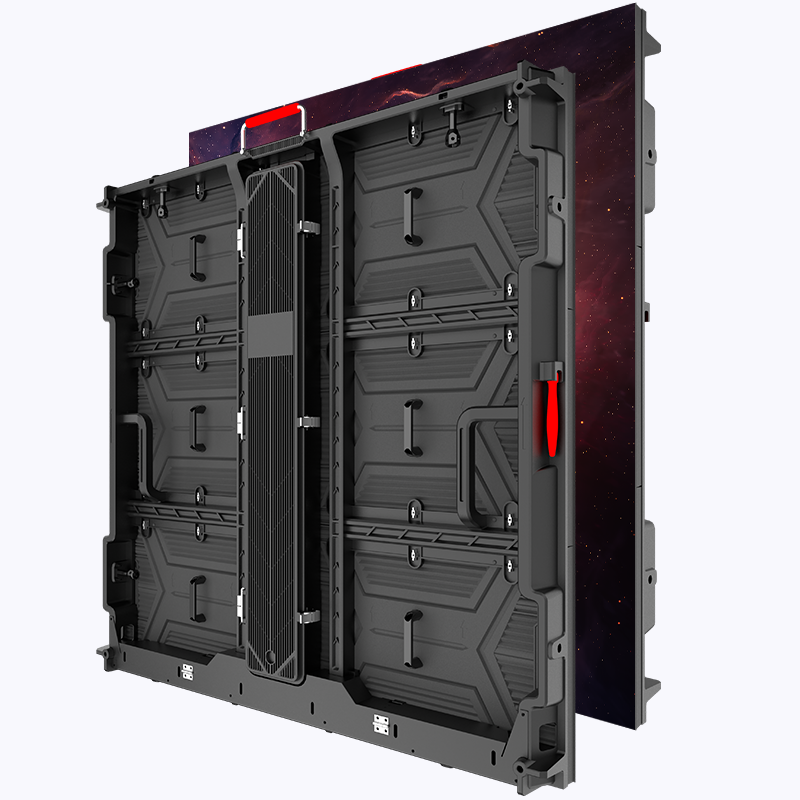
Comparative insight helps you match technology to goal, not the other way around. This piece compares common outdoor formats and shows which delivers return for different budgets and locations. If you want a quick start, consider well-built digital billboards that balance brightness, durability, and content control. A real-world anchor: Times Square still proves the effect of large LED screens, drawing over a million visitors daily and proving scale matters for brand reach.
Why display type changes results
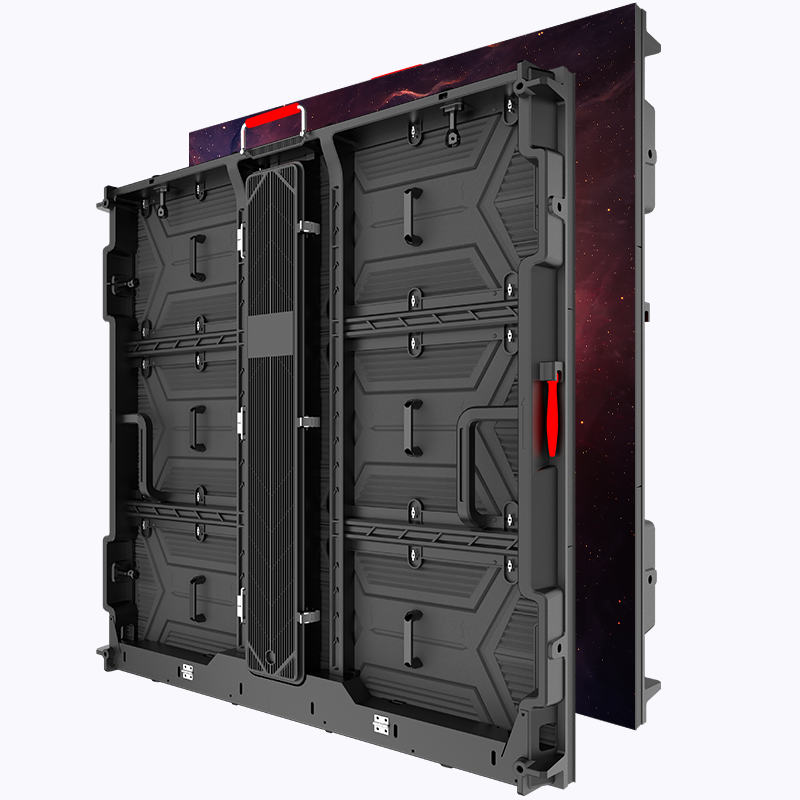
Static print can be cheap but it cannot change messaging in real time. LED screens let you rotate creative, run time-based promotions, and respond to events. For short campaigns with immediate impact, an LED outdoor screen beats print on flexibility and measurable impressions. For long-term brand presence, choose a screen with reliable LED modules and a content management system (CMS) that supports scheduling and reporting. Many advertisers find the best digital billboards for advertising give both visual quality and practical controls.
Technical differences that affect performance
Not all screens are equal. These industry terms matter when you compare units:
– Pixel pitch: smaller pitch gives finer detail for close viewing, larger pitch works for highways. – Brightness (nits) and contrast ratio: needed for daytime legibility. Aim for high nits if facing direct sun. – Refresh rate and HDR support: smooth motion and vivid color avoid flicker on camera and mobile captures. – IP rating and weather-proofing: critical for outdoor lifetime. Choose certified enclosures. – CMS and connectivity: remote content updates and analytics are essential for operational efficiency.
Common mistakes advertisers make
Brands often buy the biggest screen and expect magic. Size alone does not guarantee engagement. Mistakes include wrong pixel pitch for viewing distance, ignoring ambient light when choosing brightness, and underestimating power and mounting needs. Content is another frequent blind spot—poorly formatted creative will look bad on high-resolution panels. Plan for a testing period and monitor impressions and dwell time using the CMS analytics—this is where you learn fast. —Also, check local permitting early to avoid installation delays.
Comparative checklist: match goal to format
Use this quick guide when evaluating options:
– Retail storefront: small to mid-size LED with tight pixel pitch and CMS for hourly promos. – Highway billboard: large-format with wider pixel pitch, very high nits, and rugged IP rating. – Mall atrium or transit hub: medium size, high contrast ratio, and interactive capability for engagement. – Event pop-up: portable LED panels with quick deploy mounts and simple CMS access.
Costs vary with size, pixel pitch, and installation complexity. Consider lifecycle cost: service contracts, spare LED modules, and software subscriptions often add 15–25% annually to the initial price. Compare total cost against expected impressions and conversion uplift from past campaigns to find value.
Alternatives and integration tips
When a full outdoor billboard is too large an investment, consider kiosks, window-facing LEDs, or temporary event displays. These alternatives offer targeted exposure and faster setup. Integration matters: sync store Wi‑Fi offers, mobile landing pages, and social handles with on-screen QR codes to turn views into measurable actions. Track the data feed into your analytics so you can compare performance across formats.
Advisory: three golden rules for selecting outdoor LED advertising
1) Match pixel pitch to viewing distance: choose a specification that keeps text readable and imagery sharp at the expected closest approach. 2) Demand measurable controls: require a CMS with scheduling, reporting, and remote diagnostics to reduce downtime. 3) Prioritize durability and brightness: select IP-rated enclosures and sufficient nits for daytime visibility; this avoids early replacements and wasted spend.
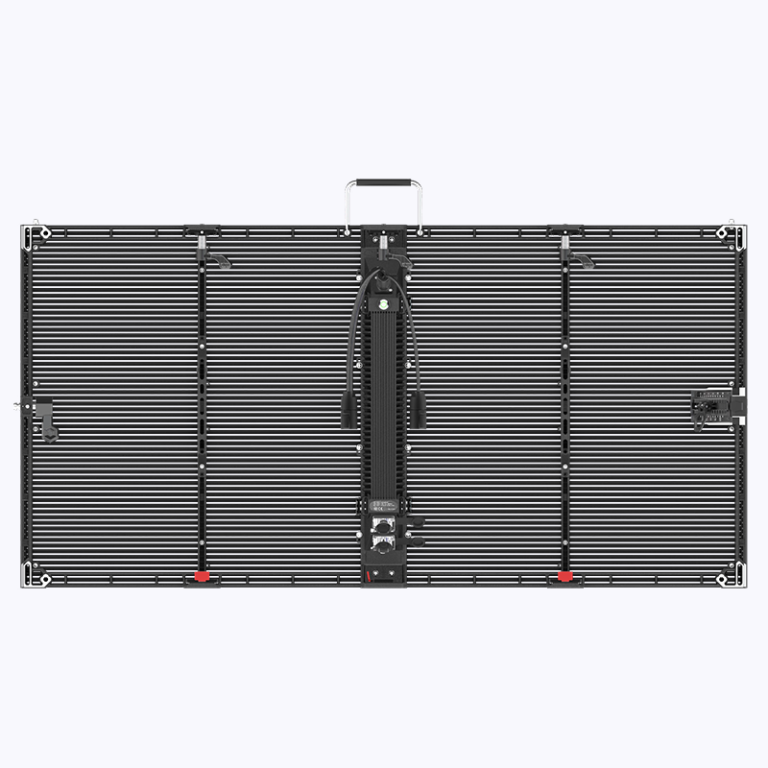
Choose technology and partners that let you iterate quickly and measure outcomes. Practical choices win: better content on an appropriate screen beats oversized hardware with poor execution. Coblinks. —final thought on matching tech to goals.