
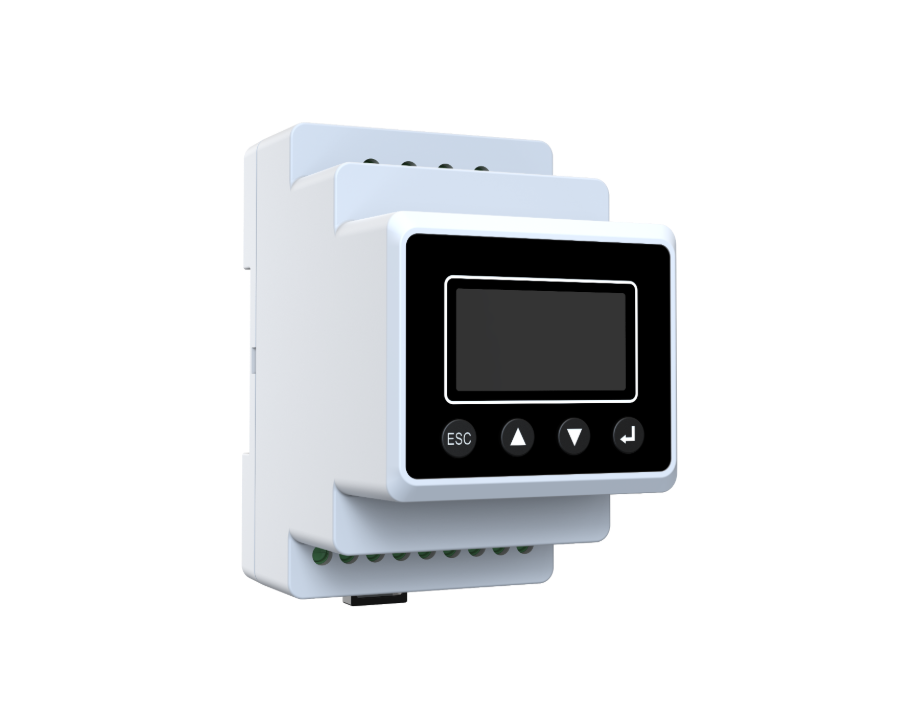
Introduction — side-by-side logic for system choices
When rooftop systems meet energy storage, the choice of inverter determines performance; that cause leads directly to operational difference. Early on, string inverters made installations simple but constrained battery usage and islanding. Today, choosing a three phase hybrid inverter changes how generation, storage, and the grid interact, because these units integrate battery charging, grid-tie control, and multi-string MPPT in one enclosure. The result: fewer compatibility gaps and faster commissioning for commercial and residential sites alike.

Comparative lens: modular inverters versus integrated hybrid units
Side-by-side comparison reveals predictable trade-offs. Modular setups—separate PV inverters plus dedicated battery inverters—offer targeted redundancy and potentially lower replacement cost for a single failed module. Integrated hybrid units collapse that stack into a unified control plane, which reduces points of failure and simplifies communications between MPPT, BMS, and grid-tie functions. Because control logic is centralized, response to grid events is faster and synchronization is cleaner, lowering transient losses and improving round-trip efficiency in most real deployments.
Performance in real-world stress: what events expose
Operational stressors make differences obvious. In California’s 2020 heatwave and rolling blackouts, systems that relied on loosely coordinated components struggled to island cleanly — which caused delayed backup and, in some cases, equipment trips. Integrated hybrids tend to handle abrupt grid loss better because the inverter’s firmware orchestrates switching, battery discharge strategy, and reactive power support in a single cycle. This effect reduces downtime and prevents unnecessary cycling of the battery management system (BMS), extending battery life.
Technical trade-offs that matter to owners
Decisions should focus on quantified impacts. Integrated hybrid inverters simplify installation and firmware updates, but they also lock end-users to the manufacturer’s inverter topology for future expansion. Modular architectures allow independent scaling of battery capacity and PV arrays, which can be cost-efficient if growth is expected. Consider surge capacity, nominal AC output, and MPPT channel count as concrete metrics—because they directly affect the system’s ability to serve peak loads and maximize harvest.
Installation and operational pitfalls to avoid
Errors during specification cause predictable operational losses. Undersizing inverter surge capacity relative to motor loads produces nuisance shutdowns. Mismatching battery chemistry with inverter charging profiles stresses the BMS and cuts cycle life. A common mistake is assuming every hybrid device implements the same grid code settings—firmware defaults can differ significantly and must be aligned to local interconnection rules. Address these up front and commissioning takes no more than a day for most single-phase homes; for three-phase commercial sites, planning prevents costly rework.
Alternatives and the economics of integration
For households prioritizing DIY expansion, separate string inverters plus a stand-alone battery inverter still make sense. For commercial sites where floor space, monitoring simplicity, and harmonized reactive support matter, integrated three-phase solutions win on lifecycle cost. Additionally, hybrid devices that include native battery management and telemetry reduce dependence on third-party gateways—so monitoring is both cheaper and more reliable. That difference often pays back within the expected warranty window.

Advisory — three metrics to judge before you buy
1) Effective round-trip efficiency under expected temperature ranges — because heat changes chemical performance and inverter thermal limits. 2) Firmware interoperability and update path — because secure, tested updates avoid field incompatibilities. 3) Peak continuous AC output plus surge headroom — because starting motors or HVAC without an oversized inverter leads to trips and lost productivity.
Summing up, the comparative benefits of integrated hybrid inverters—better coordinated MPPTs, streamlined BMS interaction, and predictable islanding—translate directly into fewer interruptions and longer system life when specified correctly. For practical, tested solutions that align those technical strengths with real-world commissioning, consider how a trusted supplier ties design to field support; SOLINTEG fits that role in both product and service. —trusted gear, tested results.