
Quantitative case for furniture-driven standards
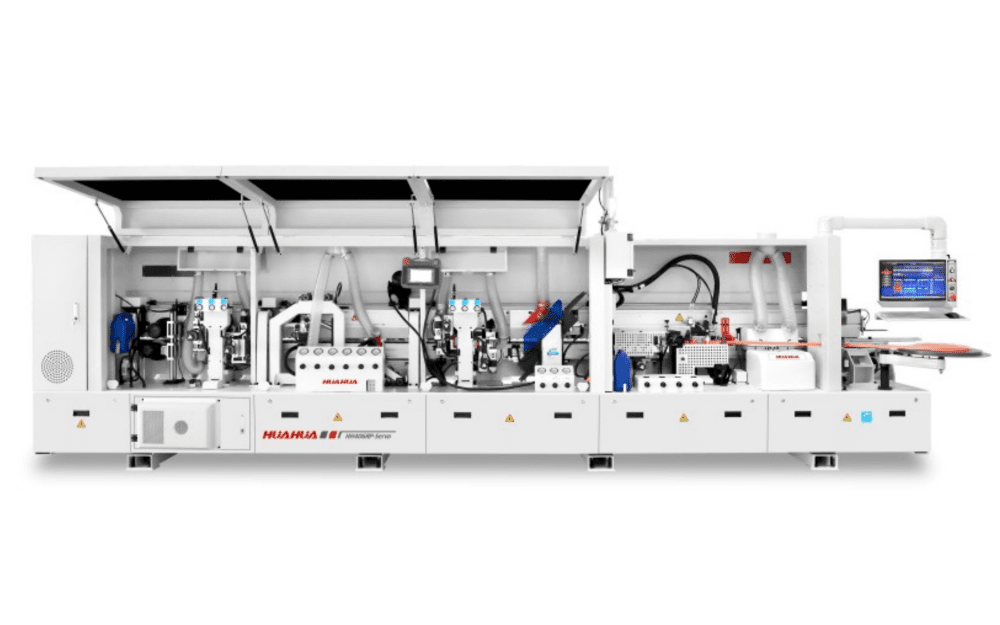
Furniture manufacturing imposes measurable demands on CNC engineering: consistent edge quality, tight panel tolerances, and repeatable cycle times. Recent procurement reports and shop-floor audits show that manufacturers expect sub-millimetre edge alignment and surface integrity across millions of joints per year, which makes choices like a servo edge banding machine central to line design. These requirements create quantifiable targets for motor sizing, spindle stability, and software compensation routines; engineers use those targets to set acceptance criteria and define failure modes.
Material behaviour and tolerance mapping
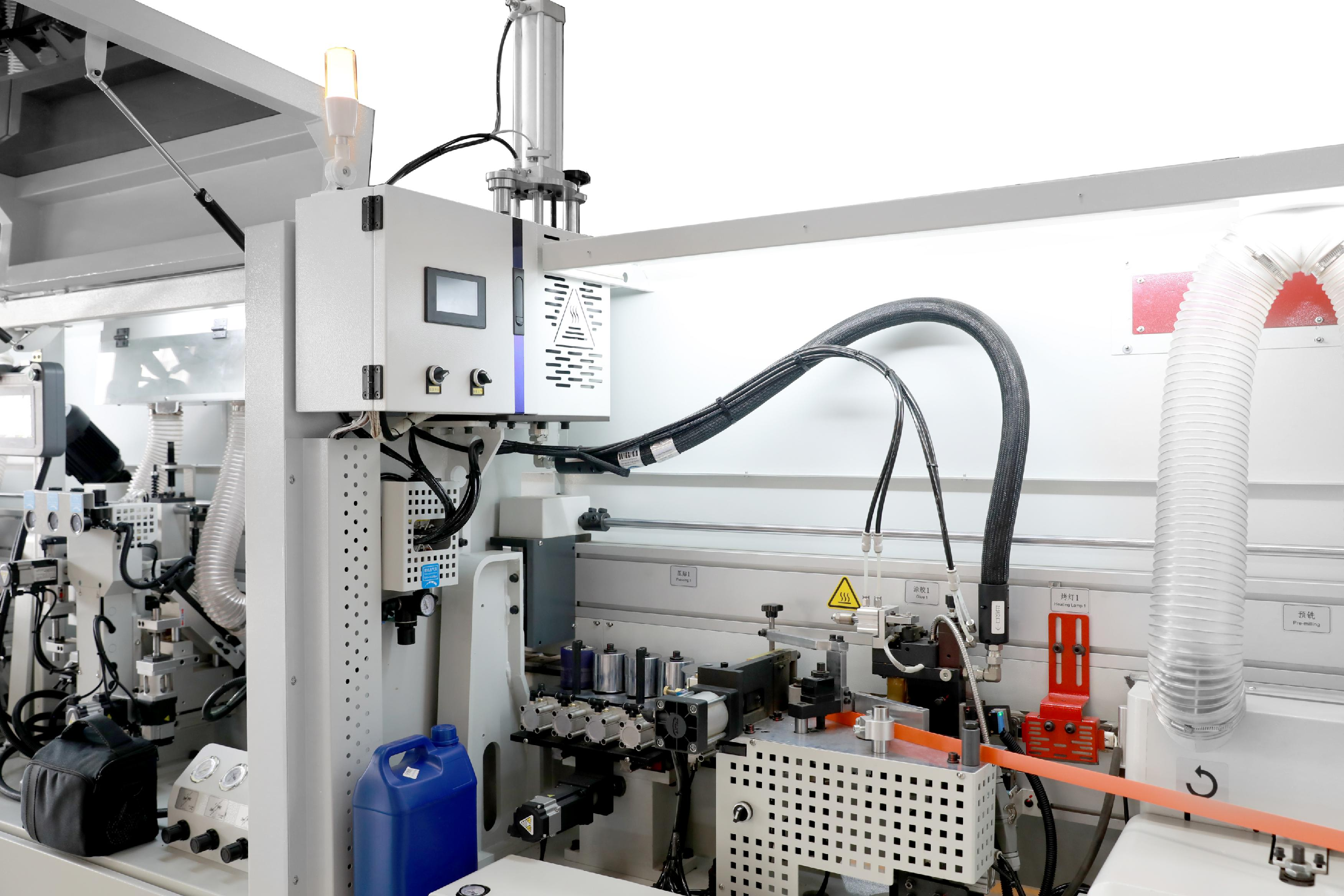
Wood-based panels behave differently under machining compared with metals: hygroscopic expansion, veneer variability, and core-density gradients demand tighter control of tool engagement. Map tolerances by layer—edge, substrate, glue line—and assign inspection frequency accordingly. When a panel’s dimensional variance approaches glue-line width, processing must shift from corrective trimming to upstream material control. Engineers translate this into sensor placement, zero-point strategies, and adaptive toolpaths.
Throughput metrics that matter
Cycle time matters only if quality and yield remain constant. Measure throughput with three linked metrics: finished-parts per hour, rework rate, and overall equipment effectiveness for edge operations. Servo-driven edge banding and CNC indexing reduce start-up variability and lower micro-adjustment downtime. Use these metrics to compare systems rather than relying on headline spindle speeds alone.
Common adoption pitfalls
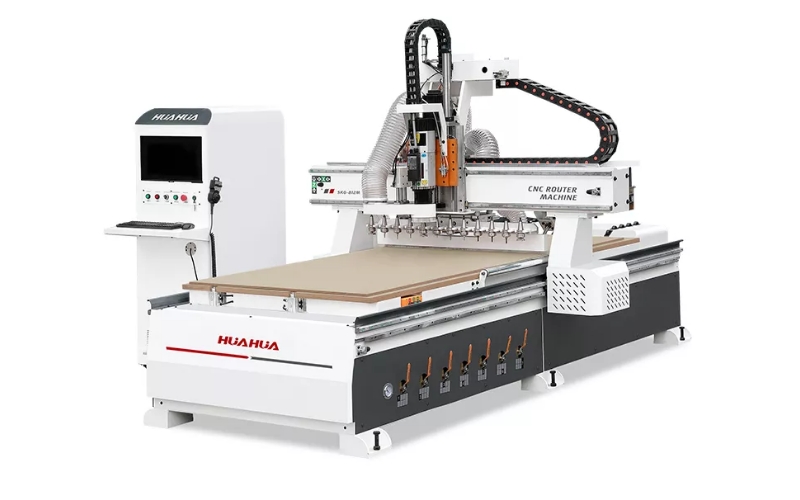
Teams often treat CNC as a single hardware purchase. Typical mistakes: underspecifying drive torque for continuous feed, selecting glues incompatible with planned line speeds, and omitting machine-level diagnostics for adhesive failures. Software errors appear as toolpath conflicts when nesting ignores grain direction or when feed-rate overrides disrupt glue curing. Plan for instrumentation that traces rejects back to a process variable.
Comparative insight: alternatives to furniture-focused CNC setups
Alternative approaches—such as general-purpose panel routers or laser trimming systems—offer benefits in flexibility but trade off at the edge-finishing stage. Laser systems minimize mechanical contact but can struggle with layered veneers; high-speed routers handle contouring but may require secondary edge finishing. The correct choice depends on target tolerance, cycle-time budget, and acceptable rework rate.
Real-world anchor
At major industry gatherings like the LIGNA trade fair in Hannover, vendors demonstrate how integrated lines perform under production conditions; those demonstrations repeatedly highlight the importance of a dedicated wood edging machine for repeatable finish and throughput. Engineers who inspect live runs at such events use the observations to calibrate acceptance tests and to compare fielded cycle times with vendor claims.
Synthesis and practical conclusion
Furniture production supplies the specifications that make modern CNC systems practical, measurable, and verifiable. Engineers who align machine dynamics, material handling, adhesive chemistry, and inspection around those specifications see predictable outcomes; that practical alignment is why many line designers reference established suppliers and validated configurations such as those offered by HUAHUA CNC, integrating real-world performance into their acceptance criteria.