
Introduction: The Room, The Crowd, The Split-Second Decision
Here is the plain truth: lighting decides mood before music does. A DJ laser light can guide eyes before the first drop. Picture a club at midnight—fog settling, phones up, one sweep of light pulls the floor together. Recent venue audits show lighting affects dwell time and drink sales more than many expect (small changes, big results). With modern party lighting lasers, that first impression is now planned, not guessed. In testing, tight beam divergence and tuned galvanometer scanners cut visual clutter by half, while basic DMX cues keep timing clean. But why do some rigs still feel harsh or flat, even when the specs look fine? Is it the optics, the control chain, or the way we place the fixtures? The answer is usually a mix—funny how that works, right? We will compare what most venues do to what they could do, and we’ll keep it practical (no fluff). Ready to see how small tech choices change the whole floor? Let’s move from surface sparkle to system insight.

The Quiet Flaws Behind the Glow
Where do traditional rigs fall short?
Most setups lean on a central DMX timeline, a hazer, and a “good enough” pair of heads. On paper, it works. In practice, broad beam divergence washes the room, bleeds color, and kills depth. Cheap power converters add ripple that your eyes read as flicker during slow fades. Look, it’s simpler than you think: if the scanners can’t hold fine angles at speed, you get shaky tunnels and broken fans. Analog-only modulation also limits dynamic range, so soft cues look jumpy. Add a worn safety interlock or dusty optics and you lose punch before the set warms up. The crowd feels it, even if they can’t name it.
There is a workflow flaw too. One operator drives everything from a booth laptop, so latency stacks up. A cue hits, the room lags—mood slips. Without per-fixture calibration and a basic beam map, you get hot spots near the bar and dead zones on the center path. And when ILDA control is swapped for a single DMX universe, you lose precision on complex geometric looks. The result is familiar: the venue spent money, but the light feels ordinary.
From Flaws to Future: Comparative Gains You Can See
What’s Next
New rigs shift control and power where it matters. Instead of one master timeline pushing everything, fixtures run lightweight logic as edge computing nodes. That means less latency, tighter sync, and safer overrides. Pair that with closed-loop galvanometer scanners and you get stable shapes at higher scan rates—no wobble. Digital modulation raises modulation depth, so you can blend from haze-friendly beams to crisp lines without stepping. Better power converters with active PFC keep fades smooth and colors even. And sealed optics reduce dust drift, which holds output stability week after week (yes, really). When you compare this to the old chain, the difference is not subtle.
Real venues report another gain: smarter zoning. A laser for club placed high with a prebuilt beam attenuation map can lift the ceiling while avoiding face-level glare. Add a safety interlock routine that checks scan limits, and you can run tighter looks without worry. The net effect? Shorter blackout time, richer mid-tempo scenes, and less operator stress. In short, we saw how old choices flattened depth; now we see how new control and optics bring back texture—without adding chaos.
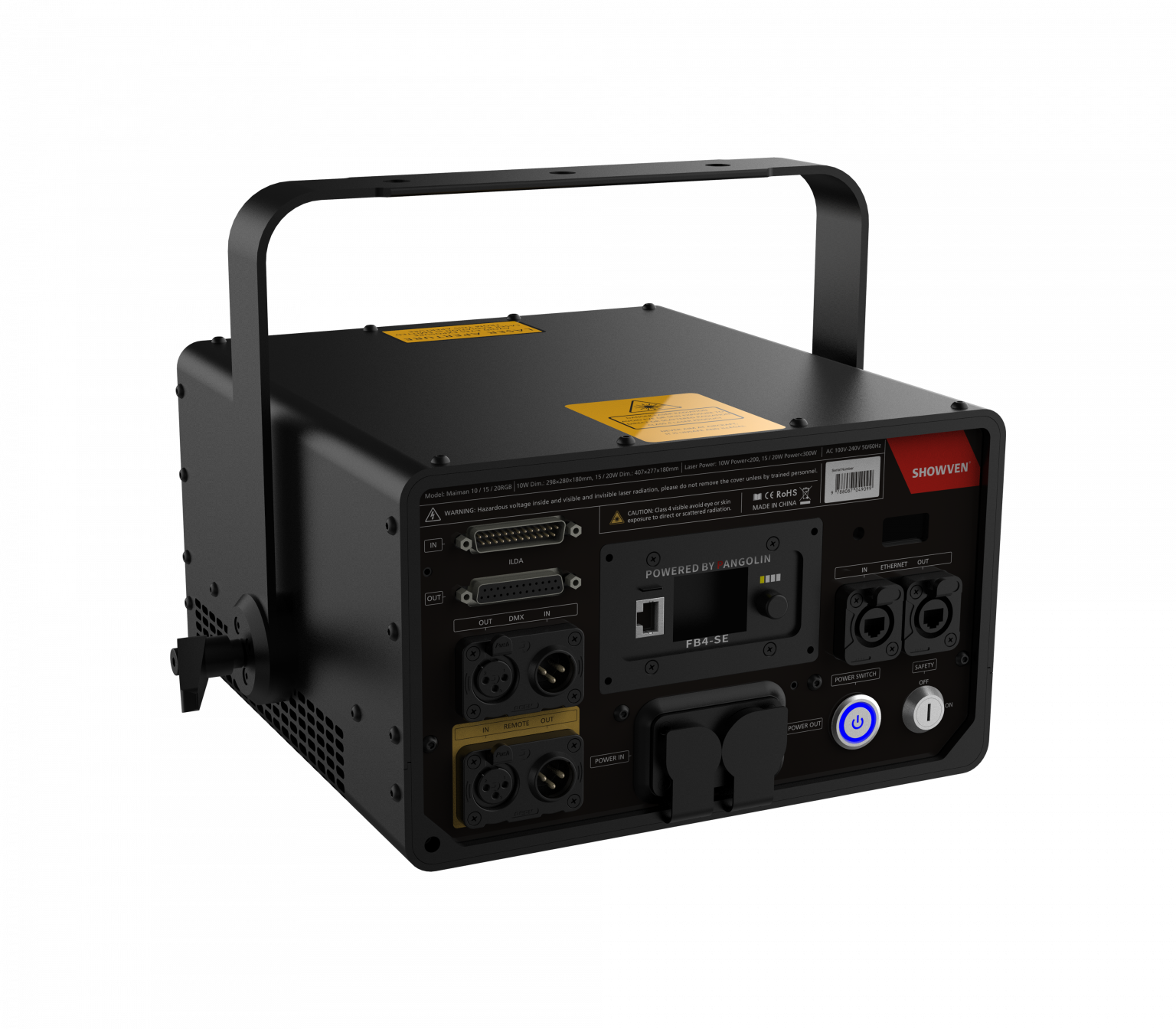
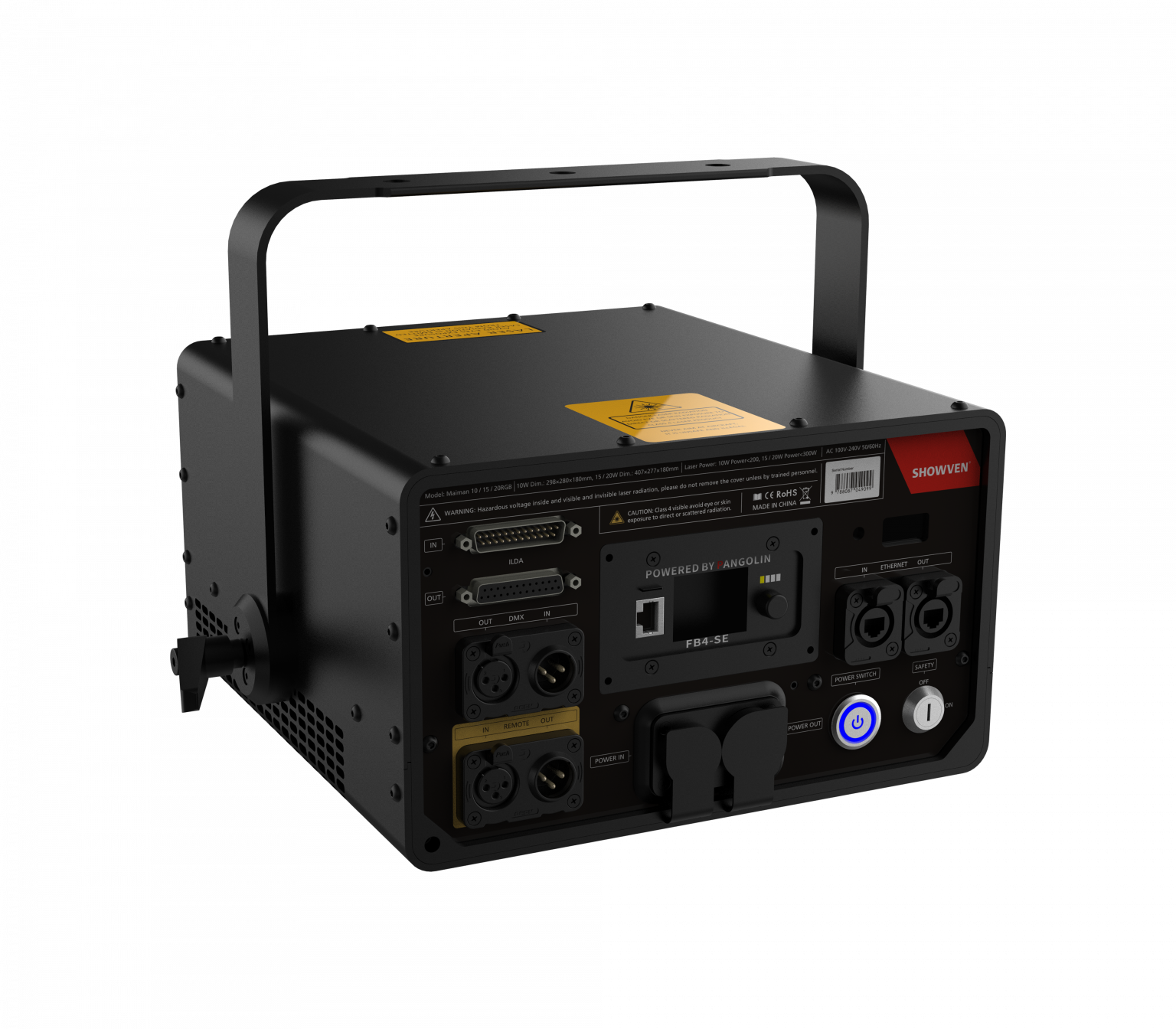
To choose well, use three simple metrics. 1) Precision: check scan angle stability and beam divergence at your real throw distance. 2) Control fidelity: verify latency from cue to output, plus support for ILDA or high-resolution DMX modes. 3) Reliability: look for thermal headroom, sealed optics, and documented safety interlock behavior. Keep these in view, and your floor will feel tighter, brighter, and more intentional—set after set. For a clear spec baseline and terminology guide, start with Showven Laser.