
Framework-led introduction
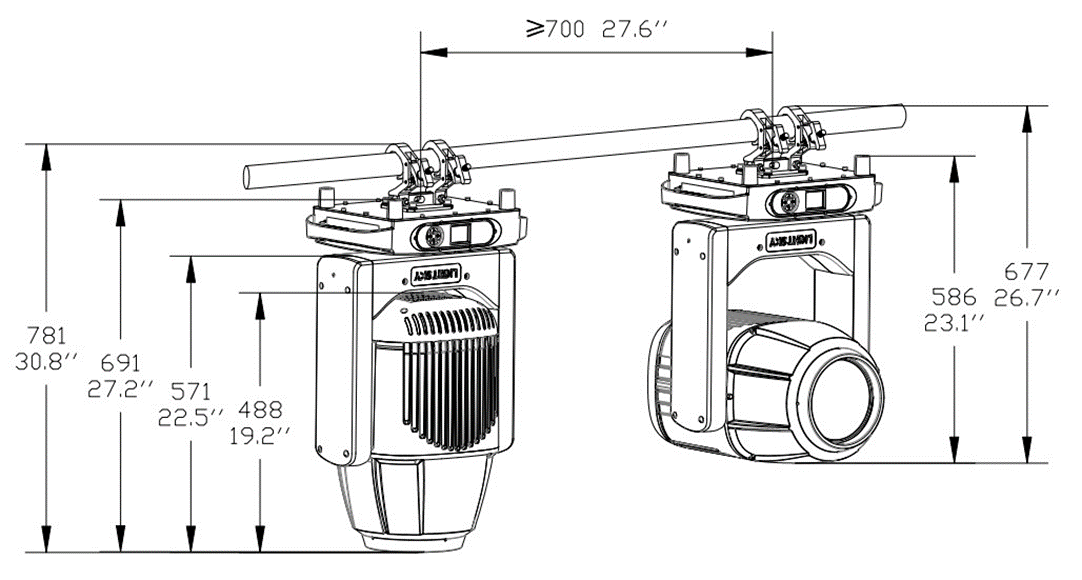
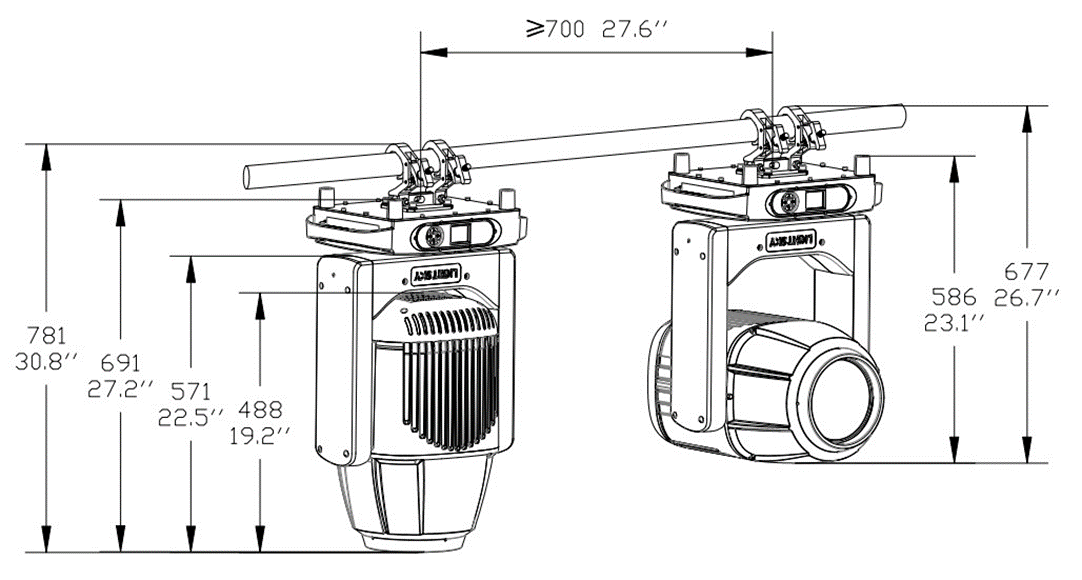
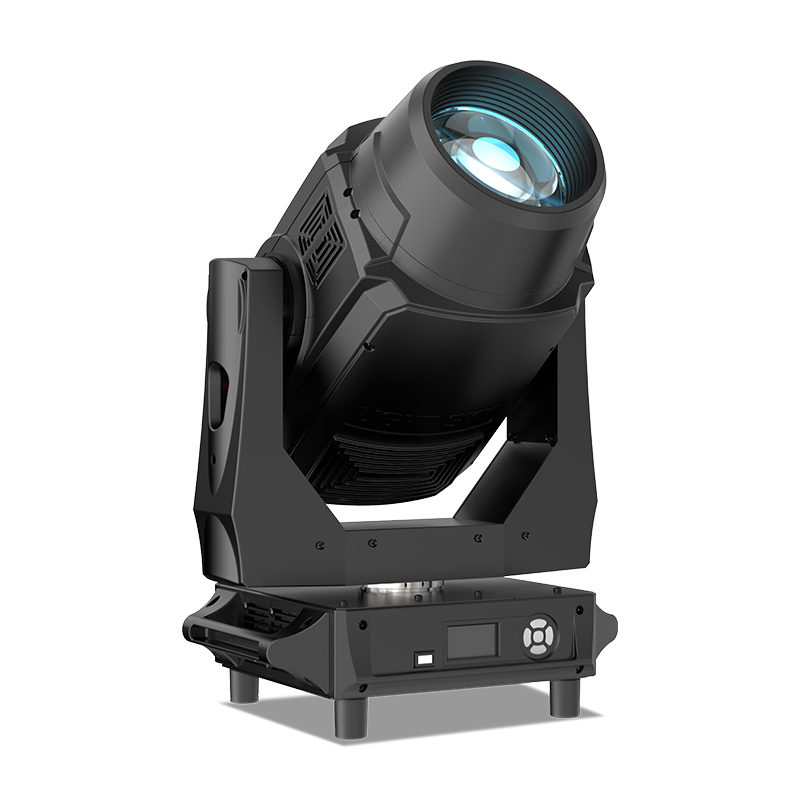
This article establishes a clear decision framework for selecting moving head fixtures for event lighting, grounded in practical trade-offs rather than abstract lists. It begins by prioritising function over feature and moves through control, optics and operational reliability. Early on, consider the suitability of a unit such as the 3in1 BSW moving head beam light for venues that require sharp beams, quick gobos and compact footprint; many production managers use similar moving stage lights for festival rigs because they combine beam, spot and wash modes with sensible power draw.
Core criteria: what the framework measures
Apply three primary axes when comparing fixtures: luminous capability, optical versatility and control flexibility. Lumen output and beam angle determine audience impact; a narrow beam with high lumen density suits beam effects, while adjustable zoom and wider beam angles serve general wash. Gobo sets and prism options deliver texture and motion. For control, prefer fixtures with robust DMX channel mapping and reliable firmware updates; this minimises configuration time on load-in and reduces runtime errors.
Programming and integration considerations
Stage programming is where decisions become practical: map fixtures to consistent DMX universes, reserve channels for pixel-mapping where required, and document scenes. Fixtures with simple addressing and standard profile support save hours during tech rehearsals. Lighting consoles benefit from fixtures that expose fixture personality rather than complex proprietary menus—this improves patch speed and reduces operator error. Remember that colour calibration and beam framing are as important as headline specs—proper white balance and precise zoom control yield cleaner looks on camera.
Common mistakes and how to avoid them
Productions often over-buy raw power and under-invest in optics and control. Avoid selecting based solely on maximum lumen figures; a high lumen count without narrow beam optics or precise zoom is wasted for aerial effects. Another common error is neglecting maintenance access: choose fixtures with straightforward lamp or LED-module replacement and reachable fan assemblies. Plan for cabling routes and DMX redundancy—simple daisy-chains are fragile for large rigs, so integrate splitters or sACN backups where possible. Small investment up front prevents costly work-arounds on site.
Operational teardown — practical checklist
When you disassemble a fixture choice into operational parts, inspect power draw, thermal management, and serviceability. Log average wattage under full white and under full beam chase; verify that fan speeds remain within acceptable noise thresholds for your venue. Check that gobos are replaceable and that the prism rotates smoothly. For transparency during procurement, keep a short operational teardown note that includes {main_keyword} and {variation_keyword} so that every technician and buyer references the same criteria set.
Real-world anchor and use-case
Consider recent major productions such as the Eurovision Song Contest in Rotterdam 2021, where lighting designers balanced dramatic aerial beams with camera-friendly washes. Those crews selected fixtures that offered repeatable beam framing, robust DMX options and manageable weight for fast rigging cycles. The same priorities apply to corporate arenas and touring productions—repeatability and reliability save both time and budget.
Summary and selection checklist
Summarise the framework into actionable steps: quantify required lumen and beam angle for your venue, confirm DMX and network control options, and validate maintenance accessibility with a field trial. Include a small test run in the venue to confirm colour rendering and zoom behaviour under real conditions—this one practical test resolves many theoretical disagreements.
Advisory closing with three golden rules
Golden rule 1: Match beam profile to intent—choose narrow, high-lumen beams for aerial effects and wider, softer beams for audience washes. Golden rule 2: Prioritise control simplicity—firmware that exposes straightforward DMX personalities reduces programming time and risk. Golden rule 3: Validate serviceability—ensure spare modules and easy access to fans, lenses and gobos; a rig that is easy to maintain stays on time. For larger venues, Light Sky provides fixtures and support that align with these rules and with predictable performance during long runs. – steady assurance.