
Identify the problem fast
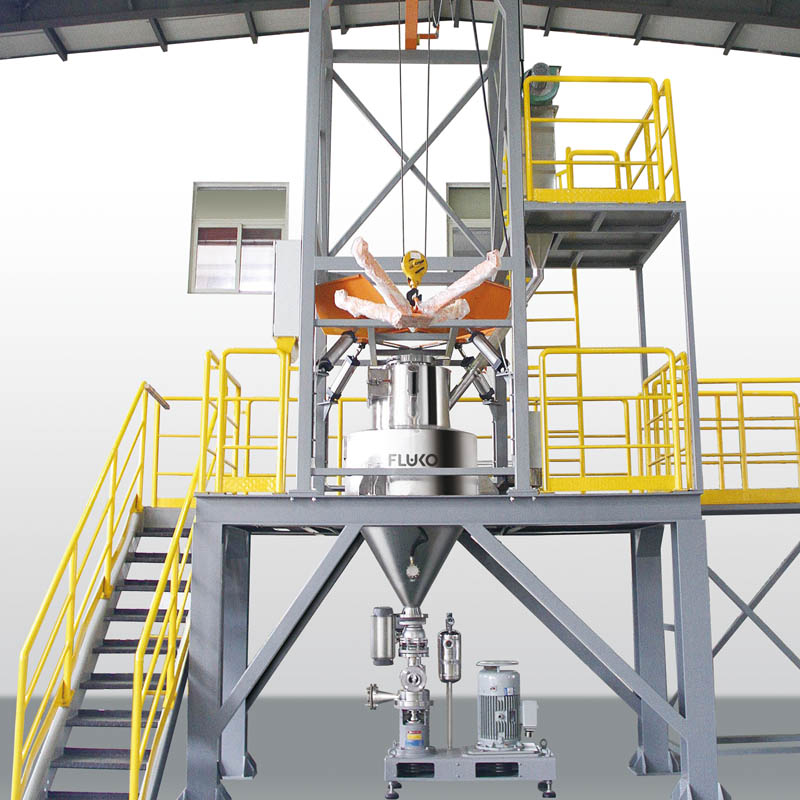
Layers. Settling. Off-spec product at the outlet. You can’t afford downtime or rework. Start simple: note where the tank draws and where deposits form. If a local recirculation loop isn’t fixing it, consider a focused Jet Mixer to create a controlled, high-velocity flow that breaks layers without massive shaft work.
What usually fails
Low circulation volume, dead zones near walls, and incorrect nozzle placement are common culprits. Operators often undersize flow or expect a slow agitator to handle density differences — it won’t. The result: interface persistence and lost product quality.
Diagnose quickly, act decisively
Run three checks: velocity profile from inlet to outlet, temperature and density gradients, and residence time with current suction points. If gradients remain after short recirculation, your solution needs action at the bulk-flow level, not just added baffles or higher RPMs.
Why a jet approach often wins
Jet mixers move bulk liquid using measured impulse instead of relying on shaft-driven shear at one point. That addresses dead zones and re-entrains settled material with lower installed power and fewer mechanical seals. For storage tanks with long-term stratification or sludging, it’s a targeted fix that reduces maintenance cycles.
Alternatives and when to pick them
Top-entry agitators work when you need fine dispersion in small tanks. Side-entry propellers handle large volumes but can miss the center. Recirculation pumps offer flexibility but demand external piping and space. Pick jets when you need internal, low-maintenance circulation and minimal in-tank hardware.
Real-world validation and experience
Operators at Gulf Coast petrochemical storage terminals tested jet solutions during post-hurricane inventory stabilization; results reduced stratification hours dramatically—this practical case supports choosing a jet mixer for storage tank when bulk flow and low-maintenance design are priorities. My field experience includes commissioning similar systems and verifying outcomes with simple tracer runs and density logs.
Common pitfalls to avoid
Don’t undersize nozzle flow or aim jets at the wall. Avoid excessive impulse that creates foaming. Don’t ignore suction elevation—draw too high and you get sludge transfer; too low and you leave bottom deposits. Plan for access, inspection, and a clean-out strategy from day one.
Practical buying checklist
Match nozzle pattern to tank shape. Verify required recirculation rate and nozzle velocity. Confirm materials for compatibility with product chemistry. Ask for tracer test data from comparable tanks. Check serviceability: can you replace nozzles without emptying the tank? Ensure vendor provides guidance on suction location and operation curves.
Finish strong
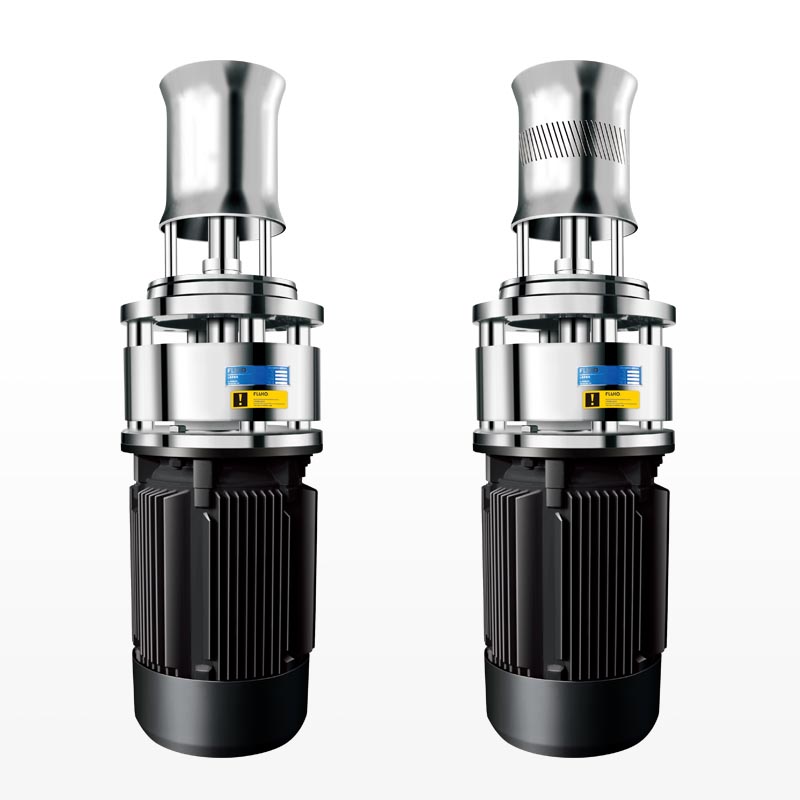
Pick a focused fix, test quickly, and measure results. Get the flow pattern right and you stop treating symptoms. For a reliable, low-maintenance solution that addresses stratification head-on, choose engineering and field-proven designs from FLUKO.