
Introduction
Have you ever wondered why some small flocks outpace larger farms just by changing the light? I watch dawn and dusk like a conductor watches the orchestra, and I keep seeing the same pattern—simple shifts in light yield real change. In trials I’ve followed, farms using targeted led lights for laying hens reported up to a noticeable bump in feed efficiency and steadier laying (roughly 8–15% uplift in some cases). So what’s really happening when a barn swaps old bulbs for tuned LEDs—are we chasing a trend, or tapping into something more musical about bird biology?
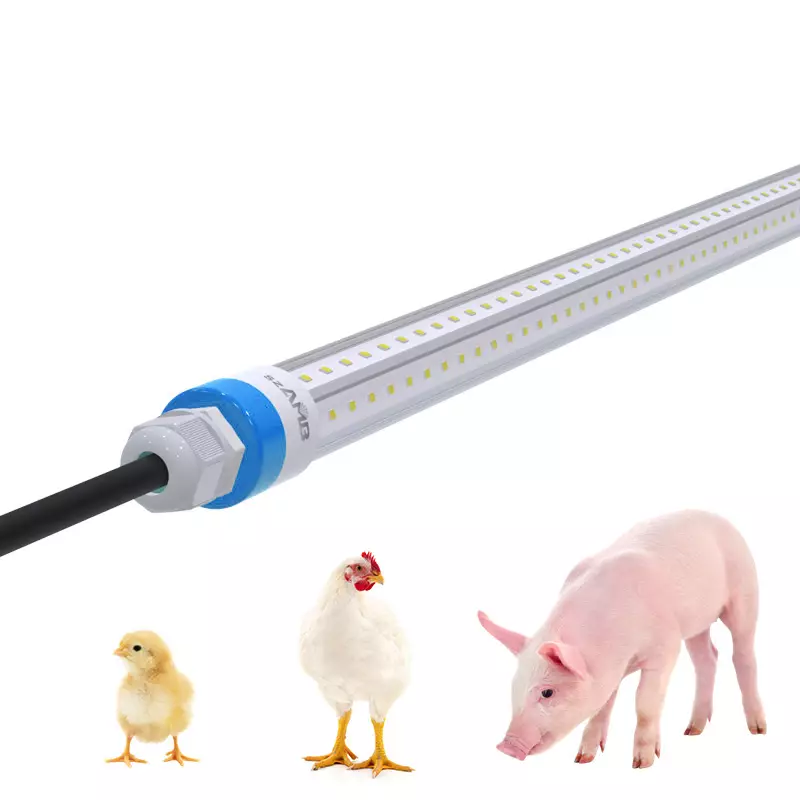
I’ll admit I’m partial to neat solutions that sing; lighting is one of those arts-meets-science areas where timing, color, and intensity play together. We’ll unpack the scene: first the common missteps that hide behind pretty bulbs, then the practical principles that actually improve egg output and welfare. Ready to tune the barn? — let’s move into the nuts and bolts.
Where Standard Fixes Fall Short: the Deeper Problems
chicken laying light setups often get sold as plug-and-play miracles. I’ve seen installers promise uniform gains and farmers buy into the pitch—only to face uneven flock behavior within weeks. The core technical issues are less glam and more granular: mismatched photoperiod schedules, poor spectral distribution, and inconsistent lumen output across aisles. These aren’t marketing footnotes; they’re the mechanics that determine whether a lighting plan helps or hinders egg production.
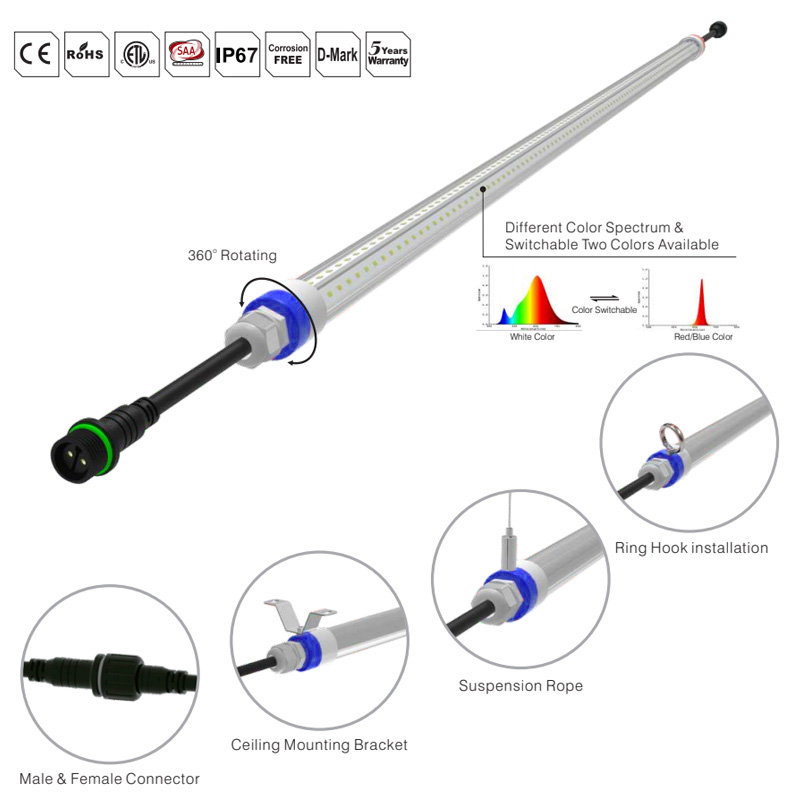
What exactly trips farms up?
First, timing. A light program that ignores natural circadian cues will stress hens. Second, spectrum. Birds respond to specific wavelengths—too much blue or too little red can shift feeding and laying rhythms. Third, intensity and uniformity; if some birds sit under bright zones while others live in dim pockets, social stress and pecking rise. Look, it’s simpler than you think: you need coherent photoperiod control, balanced spectral output, and measured lumen distribution. I’ve walked barns where the fixtures were excellent but the drivers and dimming strategy were wrong—funny how that works, right? These small engineering details—dimming drivers, wavelength tuning, and proper spacing—make the difference between a theory and steady, measurable results.
Principles for Smarter Lighting — A Forward Look
Having mapped the failure points, I want to point forward to design principles that actually matter. Think of lighting as choreography: we set tempo (photoperiod), choose instruments (spectral mix), and control volume (intensity). Modern systems for a good chicken laying light combine dimming drivers with stable power converters to keep output reliable over seasons. When those pieces sync, birds settle, feed conversion stabilizes, and egg quality often improves.
What’s Next — practical steps?
Start with metrics. I urge you to measure baseline egg count, feed intake, and barn light uniformity before any upgrade. Then pick fixtures that specify spectral distribution curves and offer programmable photoperiod profiles. Emerging options even layer simple edge computing nodes for on-site control and analytics—yes, that adds complexity, but it also gives you feedback loops to fine-tune schedules over weeks rather than months. We can be pragmatic: choose what’s maintainable for your crew. And don’t forget to factor in maintenance access—replacing drivers is a pain mid-season, so plan ahead.
Closing Guidance: How I Evaluate Solutions
I’ll leave you with three evaluation metrics I use when advising farms—clear, testable, and practical. First: uniformity index (measure light across the pen—aim for >0.8 uniformity). Second: spectral fit (confirm the fixture’s output matches recommended wavelengths for laying hens). Third: control fidelity (ensure dimming drivers and power converters deliver repeatable schedules). If a solution scores well on these, it’s worth piloting. If not, it’s cosmetic. I prefer pilots that run through a full laying cycle—short trials hide seasonal issues, and I’ve seen that trick before.
We’ve gone from a question at dawn to concrete checks you can do this week. I’ve felt the frustration of investments that underperform; I’ve also watched slow, steady improvements compound into better bird health and steadier yields. Use these principles, test thoughtfully, and keep an ear out for the subtle changes in flock behavior—those cues tell you more than any spec sheet. For gear and support, I often point teams toward practical vendors who stand behind specs—one resource I reference is szAMB.