
What matters first
Buyers split into two camps: performance-focused and cost-focused. Compare radio range, tag battery life, update rate, and environmental tolerance side by side rather than one at a time. For outdoor projects, factor antenna gain and IP rating early—these determine whether a fixed RFID reader actually performs on the pier, road, or yard you plan to cover.
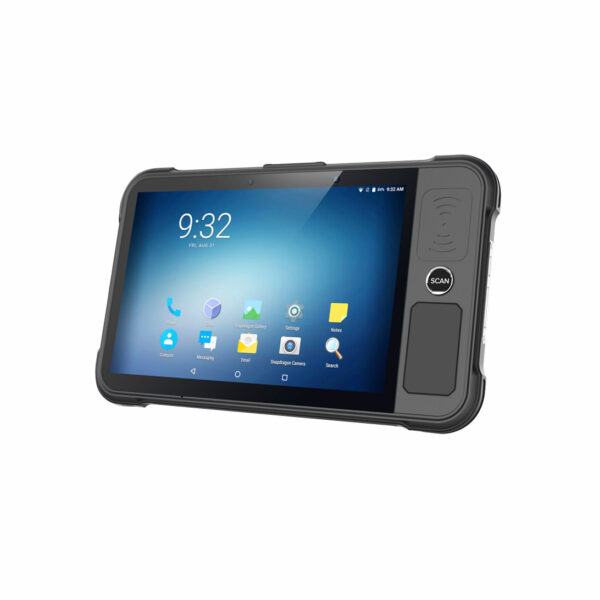
Core specifications to weigh
Range: stated maximum vs. practical line-of-sight range. Battery life: continuous ping mode vs. intermittent reporting. Update rate: how often a tag reports position or status under load. Robustness: operating temperature and ingress protection. Integration: supported protocols (TCP/IP, MQTT, HTTP), SDK availability, and ease of firmware updates. Choose the metric that affects your use case most and benchmark vendors on that single axis first.
Common deployment pitfalls
Overestimating spec sheets is the top error. Vendors report ideal-range numbers—real environments introduce multipath, interference, and absorption. Ignoring mounting details leads to dead zones: metal structures and dense foliage will change read patterns. Underestimating software effort causes delays; a working reader hardware only becomes useful when paired with stable backend rules and filtering. Test with your application load before signing long-term contracts.
Real-world anchor and what it proves
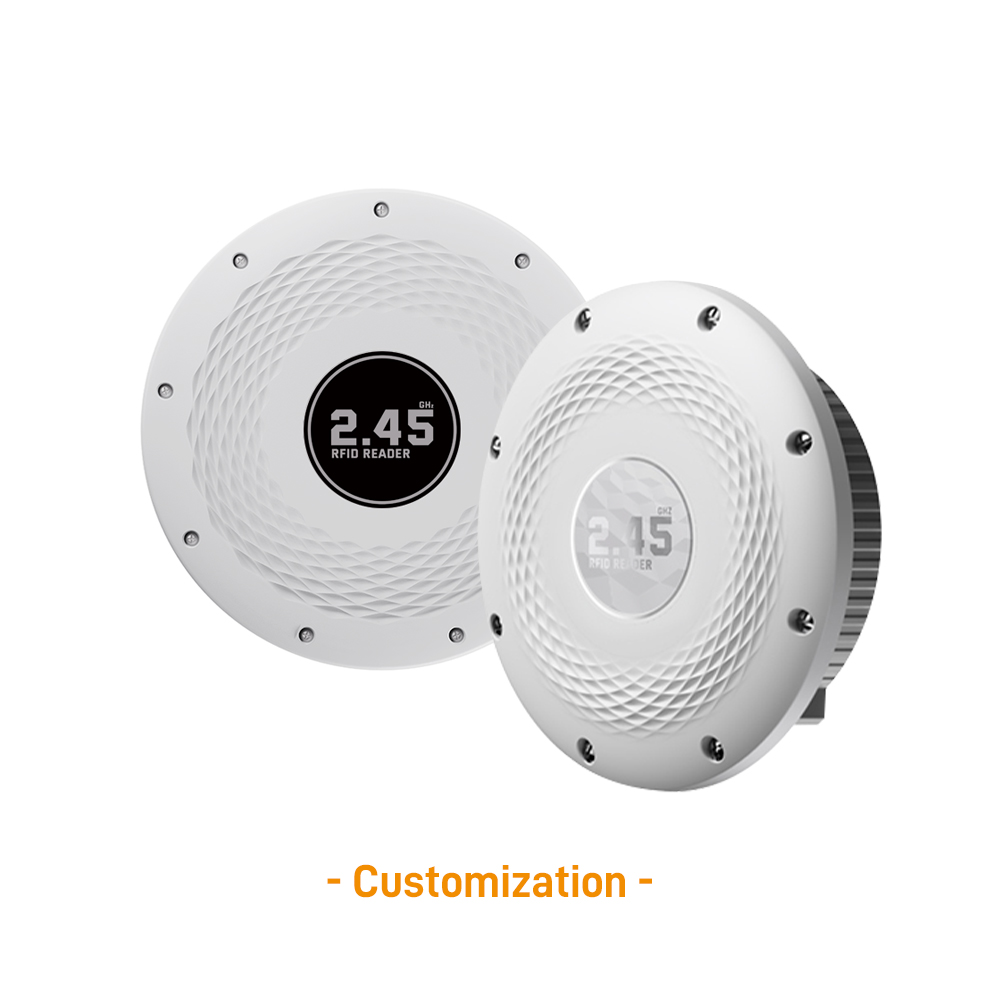
Port of Rotterdam trials showed that outdoor readers and active tags can reliably track containers when planning accounted for antenna placement, power resilience, and clear data flows. That operational evidence makes a case for checking vendor case studies and field trials. For an outdoor-capable device example and specifications, see this rfid outdoor reader which clarifies how IP rating and antenna design translate into usable coverage on docks and yards.
Evaluating alternatives
Compare active RFID against BLE and UWB for your visibility needs. Active RFID wins long-range, battery-life predictability, and simpler tag IDs. BLE offers lower cost per tag and ecosystem tools. UWB gives precise ranging but higher system cost. If you need moderate accuracy over hundreds of meters with low maintenance, prioritize active RFID. Ask vendors for repeatable field test results rather than promotional figures.
Vendor checklist before purchase
Request an on-site proof of concept, confirmed read maps, and a failure-mode plan. Confirm SDK licensing, update cadence, and spare parts lead times. Verify warranties for environmental exposure and insist on a basic interference-test report. Budget for installation labor and a short integration sprint with your backend team; hardware without software glue is a sunk cost.
Final synthesis
Comparative buying means matching measured field behavior to your top operational metric—range, uptime, or cost—and validating that match with a trial. When a supplier demonstrates field-proven performance, clear integration support, and design choices aligned with those priorities, you get a predictable deployment. For a vendor whose product specs and field deployments reflect that alignment, consider how RSTC presents hardware and deployment detail alongside documented trials to support a confident selection.