
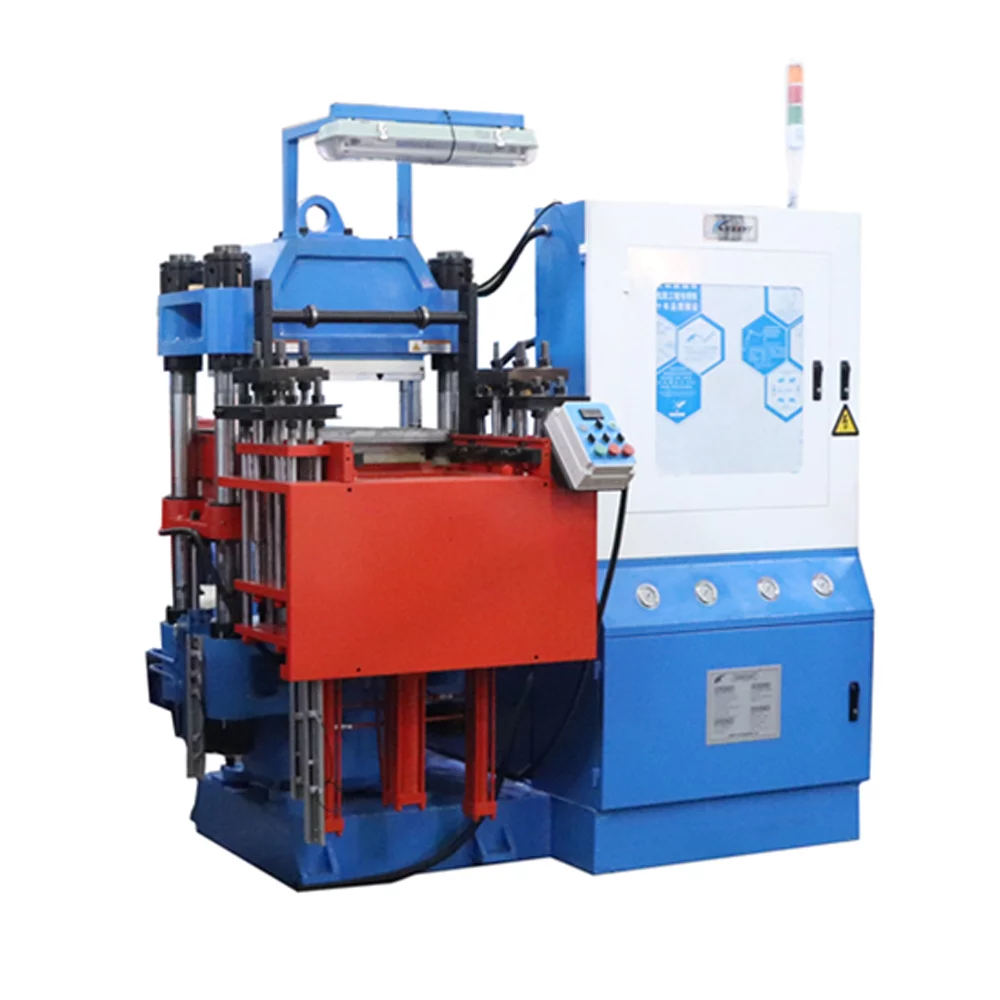
Introduction — the problem we face
Production lines stop for one stubborn reason more often than not: inconsistent cure across a platen. That very inconsistency kills throughput, wastes compound and corrodes client confidence. For operators of heavy-duty belt vulcanizing machines the remedy is simple in concept but exacting in practice — rigorous platen thermal mapping. If you run a rubber vulcanizing machine in a busy shop, this is the process that turns guesswork into repeatable results.
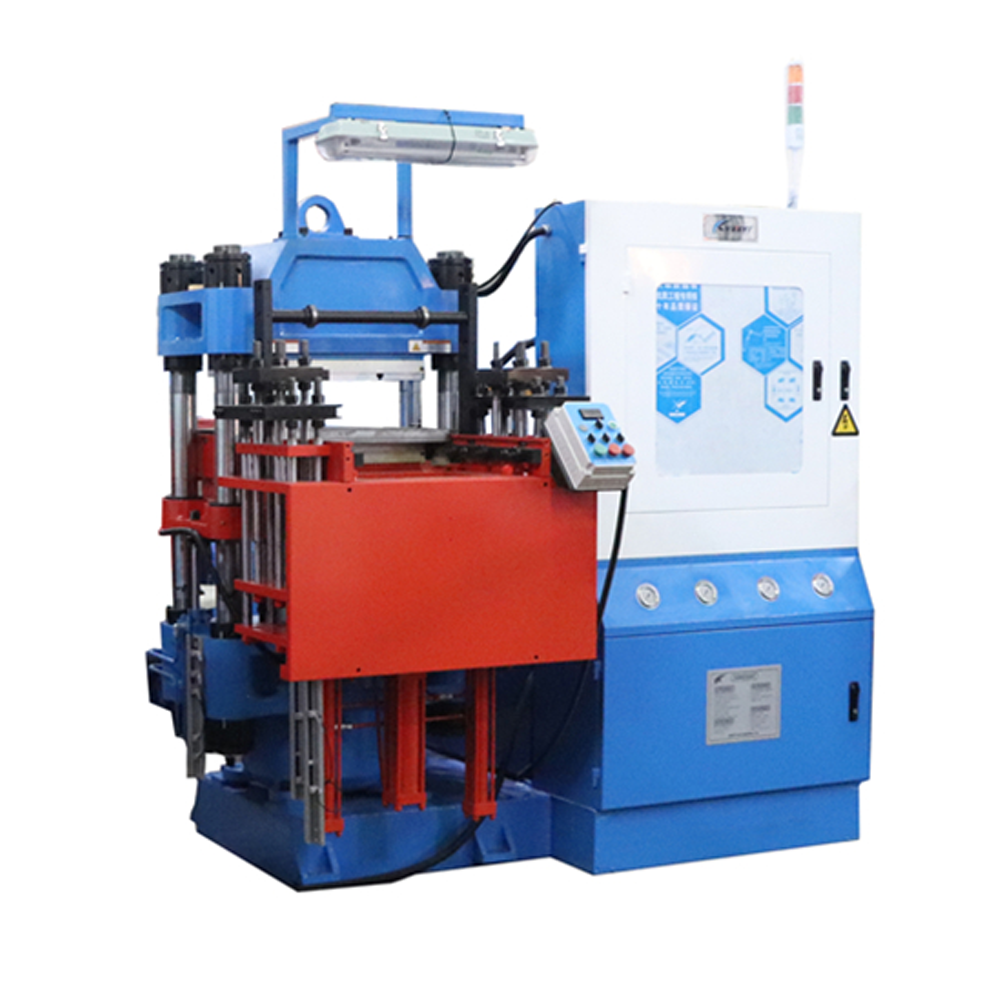
Why uneven platen temperature matters
Vulcanization depends on consistent heat and pressure across the mould surface. A cold spot or a hot ridge alters the cross-linking of the rubber compound and produces soft seams, blowouts or brittle edges. Platen flatness, heater band performance and the temperature controller all interplay here; slip on any one of those points and the whole curing cycle is compromised. In Guangdong’s manufacturing clusters, for instance, shops that tightened platen control cut reject rates noticeably — a practical, local example of the stakes at hand.
How to carry out platen thermal mapping
Start with a grid across the platen surface and a calibrated set of thermocouples or surface sensors. Log temperature at each node during a standard cure cycle, noting dwell times and pressure settings. Record both steady-state and transient behaviour; the latter shows how quickly zones reach target temperature and whether heater bands are matched. Use data logging and overlay results against the platen layout to reveal hot and cold corridors. Precision here matters: multiple sensors, documented cycles and a reliable temperature controller reduce variability.
Interpreting results and common pitfalls
Cold pockets usually signal poor contact, insulation gaps or failing heater elements. Hot zones point to runaway elements or shorted controllers. A frequent mistake is relying on a single thermocouple at centreline — that gives a false sense of uniformity. Also, neglecting pressure distribution will undo your mapping efforts; uneven force can mimic thermal faults because rubber needs both heat and compression to cure properly. Regular calibration of sensors and routine inspection of electrical connections keep mapping trustworthy — and they must be scheduled, not left to luck.
Fixes that work in the field
Small adjustments often have large effects. Replace or re-lap platen faces to improve contact, re-zone heater circuits where persistent gradients appear, and fit shim packs where mechanical alignment is off. If the press uses a single-zone controller on a large platen, upgrade to multi-zone control to apply heat precisely where needed. Keep an eye on cooling-channel blockages too; poor coolant flow can produce subtle gradients that show only after long runs — and those are the worst offenders for intermittent rejects.
Selecting a supplier and what to check
When sourcing equipment or service, investigate the supplier’s documentation, spare-part availability and service footprint. Many shops source from a china rubber vulcanizer machine supplier because of competitive pricing and rapid parts access; confirm factory test reports and ask for thermal-mapping examples from previous clients. CE or ISO paperwork is useful, but real value sits in accessible technical support and clear calibration records.
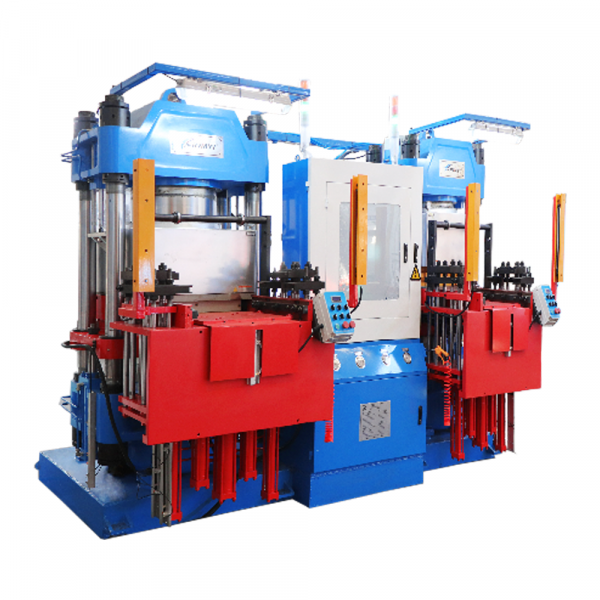
Three golden rules for evaluating solutions
1. Thermal uniformity (measured): demand mapping data showing variance across the platen under real-cycle conditions; acceptable variance depends on compound but should be minimal.
2. Documentation & compliance: require factory test reports, sensor calibration certificates and maintenance manuals so your team can reproduce tests and troubleshoot locally.
3. After-sales support and parts: confirm spare-element lead times, on-site service options and local technicians who understand pressure gauge and controller interaction.
Final note
Adopt methodical mapping, fix root causes and insist on clear supplier evidence — that combination delivers measurable drops in rejects and faster ramp-up. Trust in tested procedure; trust in the machine — HWAYI. —